
Last updated November 21, 2026
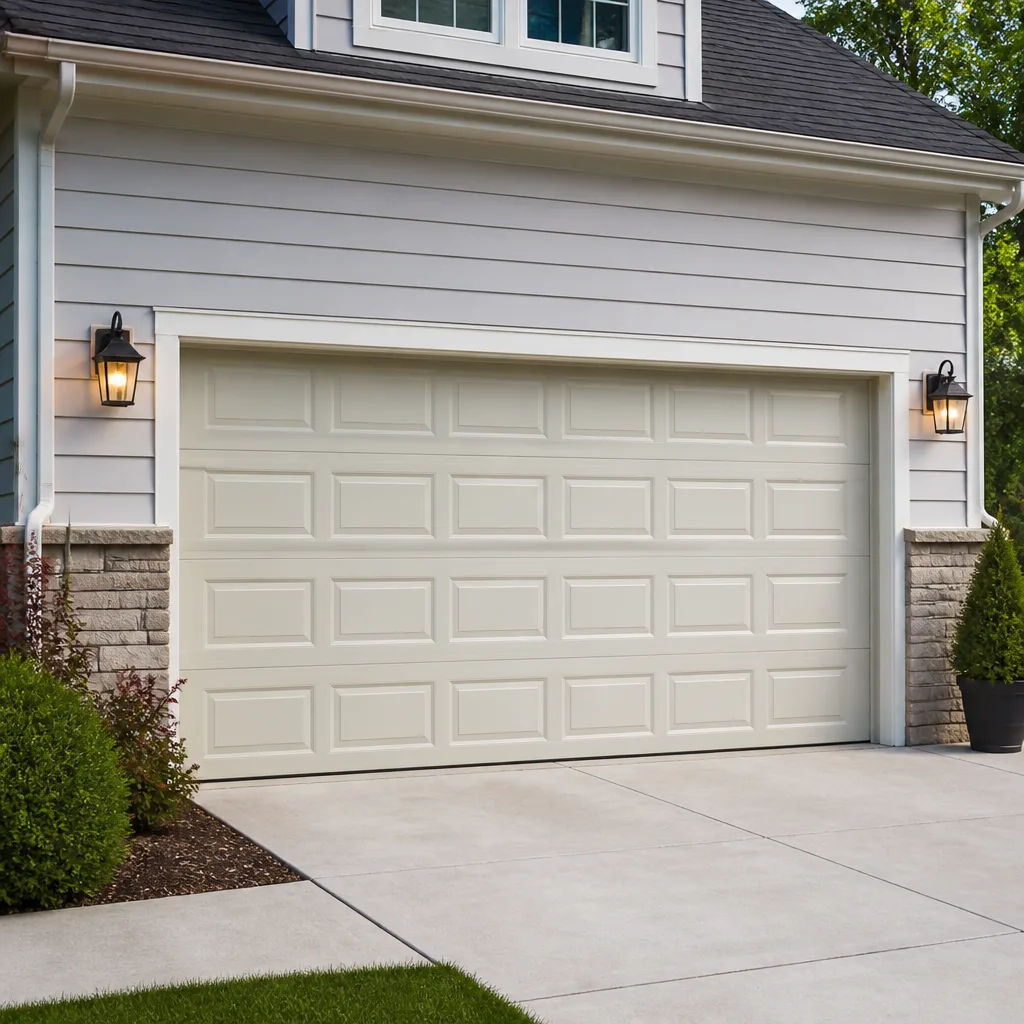 Raised-panel steel
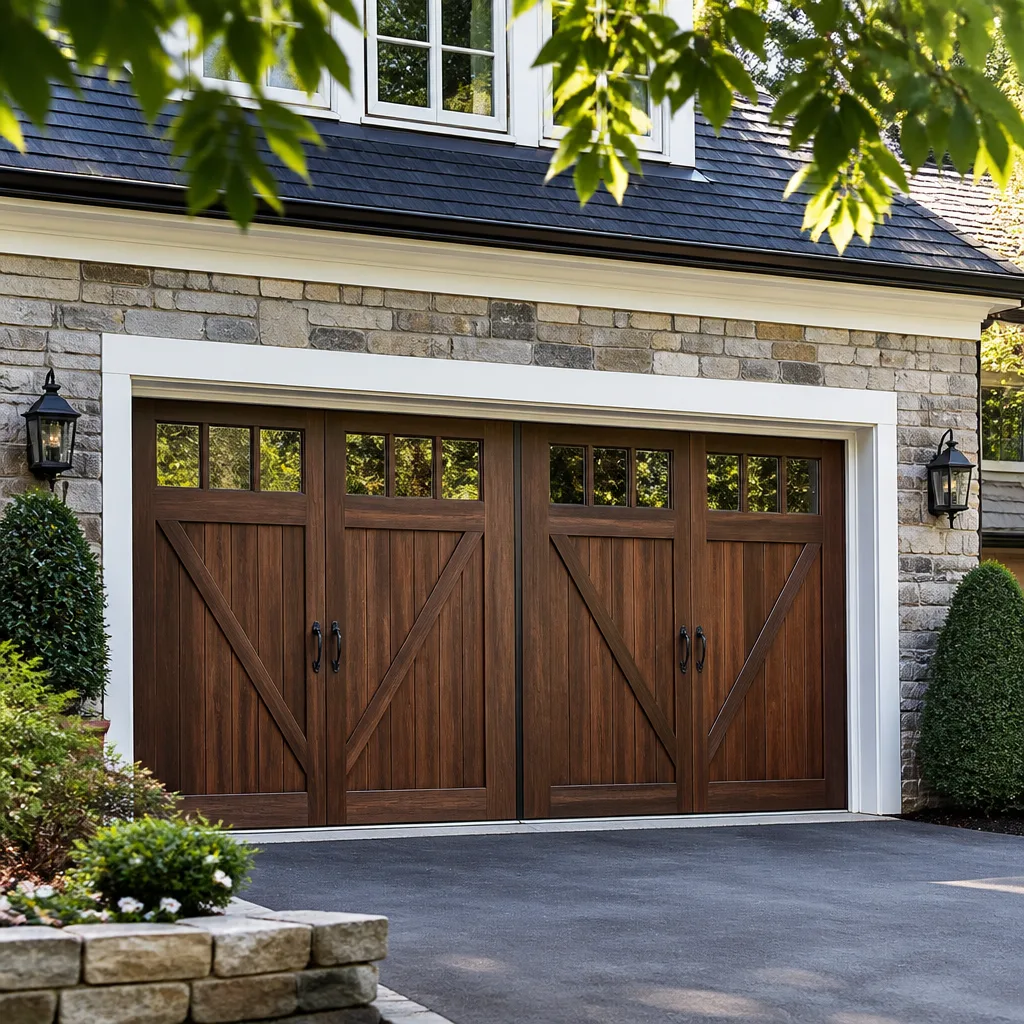 Carriage house
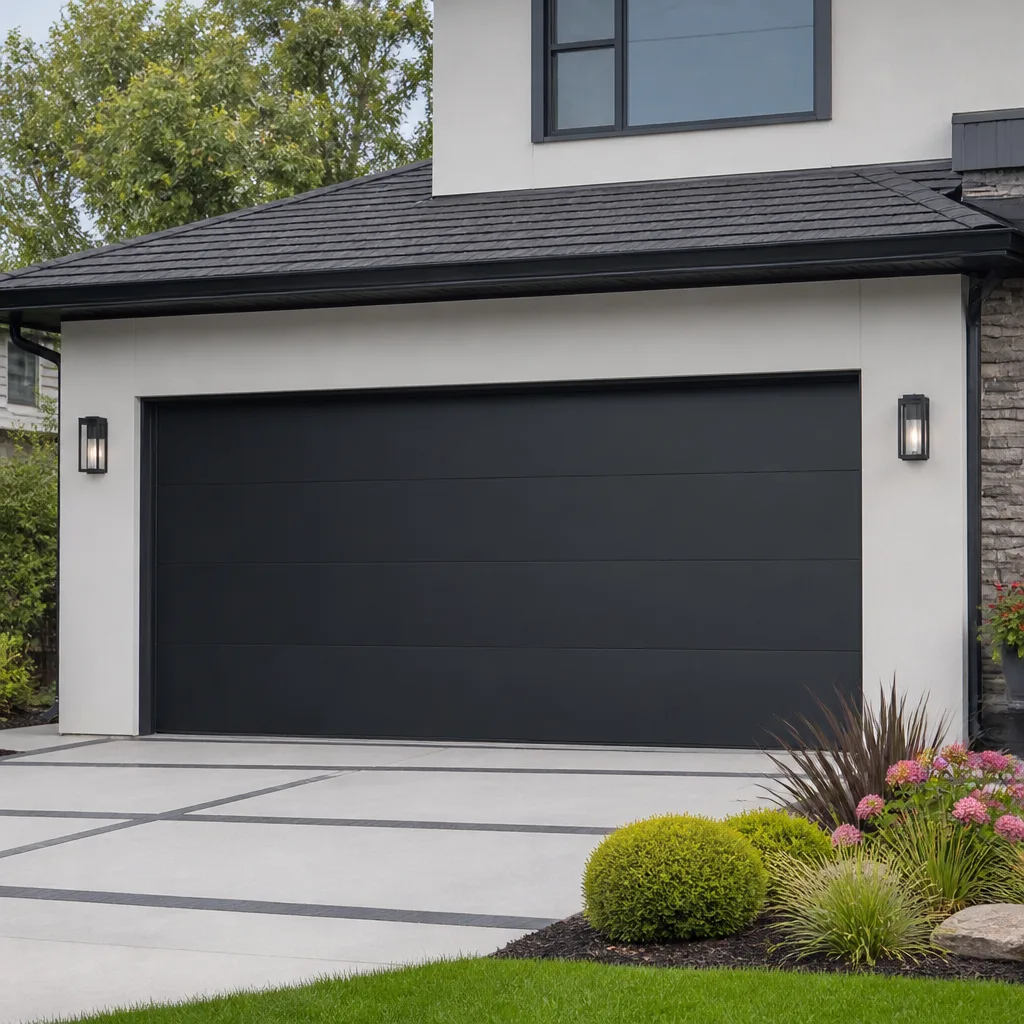 Modern flush
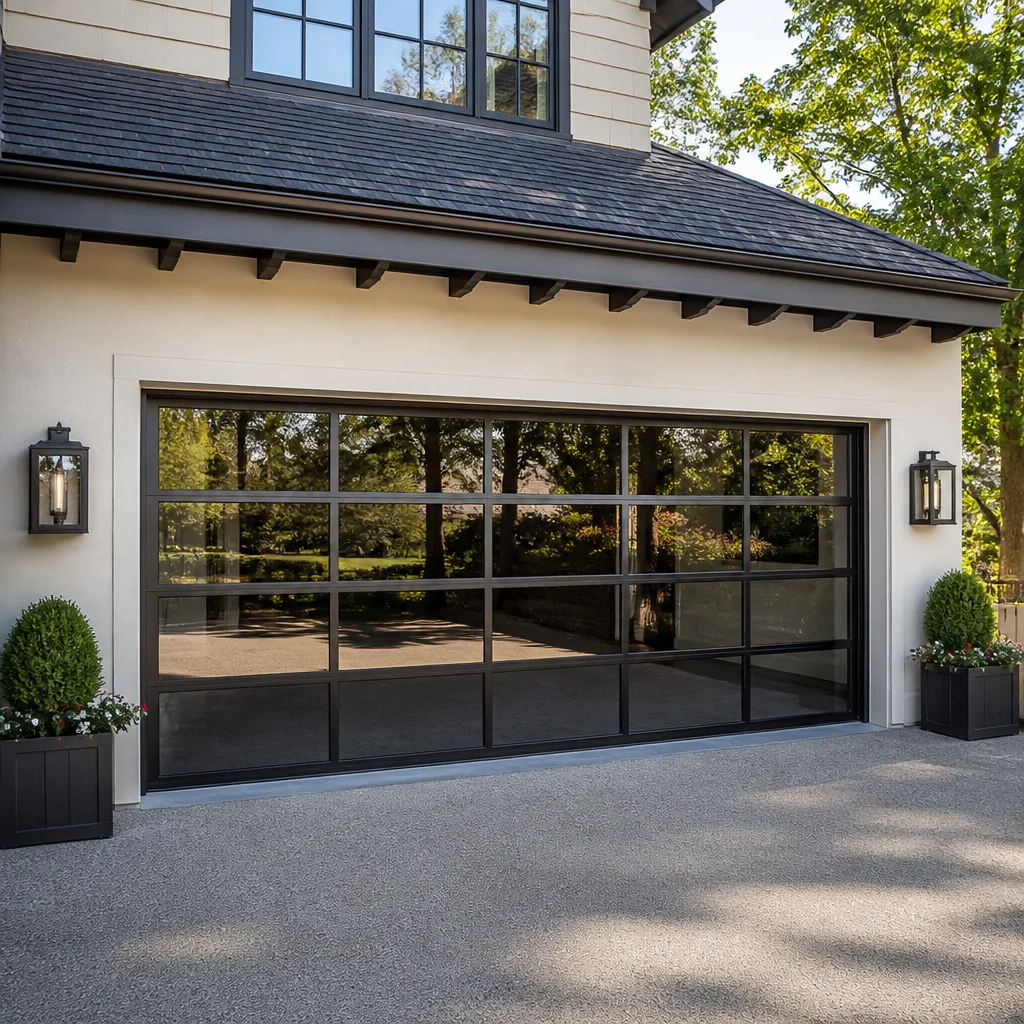 Full-view glass
 LiftMaster openers
 Chamberlain openers
Full 25-point door and opener safety check with every visit - springs, cables, rollers, tracks, and your LiftMaster or Chamberlain opener included
You get a price before we start. It does not change when the pro arrives.
Get your free estimateGarage Door Repair Maintenance Checklist for Riverdale Homeowners
The most dangerous maintenance mistake isn’t skipping lubrication. It’s doing a visual check on springs without knowing that a hairline winding crack stays invisible until the coil lets go under tension. Riverdale homeowners who run a checklist often walk away satisfied because everything “looks fine,” when the thing they should be watching for can’t be seen from the floor of the garage at all. This guide goes deeper than the usual inspect-and-lubricate list. We’ll show you what healthy components actually look like, what early wear signals sound and feel like, and which tasks belong to you versus which ones cross a line no amount of confidence should carry you past.
Quick Answer
A useful garage door maintenance checklist for a Riverdale home covers seven components: torsion or extension springs, lift cables, rollers, hinges, the bottom seal, the opener drive system, and the door’s balance. Check lubrication monthly, run a balance test twice a year, and leave any work involving spring tension or cable tension to a trained garage door technician. Visual checks catch wear early; they do not make spring adjustment safe.
Styles & brands we work with
- Raised-panel steel
- Carriage house
- Modern flush
- Full-view glass
- LiftMaster openers
- Chamberlain openers
Table of Contents
- Torsion and Extension Springs: What Healthy Actually Looks Like
- Cables: The Failure Point You Need to Read Correctly
- Rollers and Hinges: The Most Misunderstood Parts on the Door
- Bottom Seals and Weatherstripping for Riverdale Winters
- The Opener: Chain, Belt, and Screw Drive Diagnosis
- The Manual Balance Test: What Your Door Is Telling You
- Which Lubricant Goes Where (and Why WD-40 Doesn’t Belong)
- Riverdale-Specific Wear Patterns to Watch Every Spring
Torsion and Extension Springs: What Healthy Actually Looks Like
Springs carry the entire weight of the door, which is why they fail first and why a failed spring is the single most common reason a garage door won’t open. In Riverdale, most homes with a sectional door use either a torsion spring mounted on a bar above the door, or two extension springs running along the horizontal tracks. Knowing which one you have tells you where to look, and what to look for.
Here’s what a healthy torsion spring looks like. The coil is uniform, the wire winds evenly with consistent gaps, and the paint or powder coating is intact along its length. At each end, the winding cones sit tight against the coil with no visible gap opening up. There’s no rust bleeding orange at the winding points, and no black grease trails walking up the coil. A healthy extension spring sits straight in its track, the coils are tight and even, and both ends connect cleanly to their brackets without stretch.
Now what warrants a call:
- A visible gap in the coil. If you can slip a fingernail between two coils in a spot where the rest of the spring is tight, the spring is losing tension unevenly and is likely to fail.
- Orange rust streaks at the winding cone. Corrosion weakens the wire exactly where the spring carries the most load.
- A single loop hanging loose or bent outward. On an extension spring, that loop is the beginning of the end.
- Any visible crack, however short. A winding crack is a fracture, not a scratch. Springs do not heal, and a cracked spring under tension can release without warning.
- A stretch gap on an extension spring. If you can see a gap opening between the coils in the middle of the spring, it has already lost most of its lift capacity.
Springs are under high tension, and we mean that literally. Torsion springs can hold hundreds of foot-pounds of stored energy. A cracked coil that lets go while a hand is anywhere near it can break bones. We specialize in spring replacement precisely because this is the most mechanically dangerous part of the trade, and garage door repair on a spring call is never a general handyman job. If you’re seeing any of the signs above, stop using the door and call a trained technician.
Cables: The Failure Point You Need to Read Correctly
Lift cables are what actually connect the door to the spring system and the drums above the tracks, and they’re under constant tension on both sides of the door. A healthy cable is a continuous braid of steel with no fraying, no kinks, and no birdcaging (where the strands bulge out like a small cage). The cable should sit cleanly in the groove of its drum with no more than a sliver of daylight showing, and the ends should be secured with an undamaged thimble or ferrule.
What you’re watching for on the cable side:
- Frayed strands poking out anywhere along the length. A frayed cable is a weakened cable, and it typically means the other side isn’t far behind.
- Kinks or flat spots. When a cable jumps its drum, it kinks. Kinks don’t un-kink, and a kinked cable will keep jumping.
- A slack cable on one side. If one cable hangs visibly looser than the other, the door is unbalanced and the spring system needs attention.
- Cable rubbing the edge of a bracket or track. Contact damage grinds the braid down a strand at a time.
Adjusting cable tension is not a homeowner task. Cables sit at high tension even when the door is closed, and a cable that slips under load can whip across the garage. Cables are replaced in matched pairs; if one has failed, the other is nearly always close. In our experience, most cable failures we see in Riverdale trace back to an earlier tension issue that went unaddressed for months. Read the cable condition alongside the spring signs, not on its own.
Rollers and Hinges: The Most Misunderstood Parts on the Door
Rollers are the small wheels in the hinges that ride inside the track. A healthy steel roller turns freely in its hinge and shows bright, clean metal with a thin film of lubricant. A healthy nylon roller is smooth and slightly translucent, with no cracking or flat spots on its face. Rollers should spin easily between two fingers and spin quietly. If a roller is locked up, flat-spotted, or you can see the center pin worn oblong, it needs replacing.
Hinges are the metal brackets joining the door panels. A healthy hinge is straight, sits flush against its panel, and pivots smoothly. A hinge that has lost its pivot pin, or that has bent outward from binding, is telling you two things: that hinge is failing, and the door has been running out of alignment. That alignment issue typically shows up as the door pulling to one side as it goes up.
For a Riverdale homeowner, the check is simple:
- With the door closed, look at each roller. If any won’t spin freely, note its position.
- Run the door up slowly by hand (with the opener disconnected – see the balance test below) and listen. A loud squeak or a metallic scrape at a specific point in travel usually points to a seized roller or worn hinge at that height.
- Check each hinge for a missing or backed-out pivot. If the door has more than one failed hinge, replace them as a set.
On doors running branded hardware from Amarr or Wayne Dalton, the hinge profiles are specific. Replacing a hinge with a one-size-fits-all part from a big-box shelf often introduces rattling and early roller wear. When we work on the brand already installed, the parts fit the first time.
Bottom Seals and Weatherstripping for Riverdale Winters
The bottom seal is the rubber or vinyl strip running along the bottom edge of your lowest panel. It’s the component that gets the least attention and does the most work keeping weather out. A healthy seal sits even with the floor along its full width, compresses slightly, and rebounds after you press it with a thumb. It should flex without cracking and hold its shape all year.
What warrants attention: a seal that’s cracked, shrunk, or torn in any location; a seal that hangs below the door unevenly because brackets have bent; visible daylight under a closed door; or a seal that has hardened into a stiff strip with no spring to it anymore. The bottom seal matters more in Riverdale than in milder climates because of the temperature swings. Seals that flex fine in October can turn brittle by January, and a brittle seal lets in cold air and driving rain.
The weather seal is one of the components where the wrong lubricant causes real damage. White lithium grease, which belongs on hinges and rollers, will degrade the rubber over time. Silicone spray is the correct choice for the weather seal, and we’ll come back to that in the lubricant section below.
Bottom seal replacement is one of the genuinely homeowner-safe jobs on this checklist. It requires no spring work, no cables, and no power tools on the door’s high-tension hardware. If your seal is more than a few years old and showing any cracking, it’s worth replacing on your schedule rather than waiting for it to fail during a cold snap.
The Opener: Chain, Belt, and Screw Drive Diagnosis
The opener is the part of the system most homeowners notice first, because it makes the most noise. Healthy opener behavior is boring: the door rises and lowers smoothly, at consistent speed, with no jerking, and stops fully open and fully closed. The drive system itself is worth checking every few months, and different drive types fail in different ways.
Chain drive. The chain sits in the rail above the door. A healthy chain is snug with about a half-inch of slack when you press upward on the middle. Too tight and the chain whines and wears the sprocket; too loose and it slaps the rail and can jump the sprocket.
Belt drive. A healthy belt is quiet and continuous, with no fraying at the edges and no glazing (where the rubber turns shiny and hard). A belt drive that starts whining has usually worn its tensioner or lost tension.
Screw drive. A healthy screw drive rail shows an even coat of factory-applied grease along the threads. Dry patches, metal shavings in the grease, or a grinding sound point to a worn carriage or lost lubrication.
On the electronics side: if the door opens in short jerks rather than driving smoothly, the issue is often not the drive system at all but travel limits or force settings that need adjustment. On LiftMaster and Chamberlain units, the safety reverse sensors are the most common electronics failure point – a misaligned sensor makes the door reverse on its own. Craftsman units are prone to handset programming drift after a power event. If you’re chasing an opener fault, garage door opener repair is often faster than continued troubleshooting. Full-range work means we can also address the door hardware at the same visit.
The Manual Balance Test: What Your Door Is Telling You
The manual balance test is the best single diagnostic you can run yourself, and most homeowners have never done it. It tells you whether the springs are doing their job, and it takes about two minutes.
Here’s the procedure. First, close the door fully and disconnect the opener – typically by pulling the red emergency release cord hanging from the opener rail. Second, lift the door by hand to about waist height. Third, release it gently. Fourth, watch what the door does.
The four outcomes and what they mean:
- Door stays put where you release it. Springs are in balance. The door is doing its job.
- Door drifts downward (or won’t stay up). Springs have lost tension. The lift mechanism is undercompensating.
- Door drifts upward or rises quickly on its own. Springs are overtensioned. This puts excessive load on the opener and is worth a professional look.
- Door is very hard to lift by hand and feels heavy. One or both springs are worn or broken. Stop testing and call a technician.
A door that fails this test is a door you want serviced before it fails outright. In Riverdale, where many homes have older doors that haven’t been professionally serviced in years, we routinely find doors that pass the eye test and fail the balance test. That’s the gap a proper maintenance checklist closes. Run this test twice a year – a natural time is when the season changes, so around the first real cold snap and again in the spring.
One note: reconnect the opener carefully after the test. If the carriage has jammed, don’t force it. A jammed carriage with a live opener is how doors get damaged. Reconnecting the opener is a safe homeowner task only if the carriage engages smoothly.
Which Lubricant Goes Where (and Why WD-40 Doesn’t Belong)
Using the wrong lubricant on garage door hardware is more common than skipping lubrication entirely. WD-40, the standard household standby, is a light penetrating oil, not a long-term lubricant. It thins existing grease and evaporates, leaving hardware drier than before. It also attracts dust, which turns into a gritty paste on rollers and hinges. We’ve seen more seized rollers caused by WD-40 than by neglect. That’s worth knowing.
What actually belongs where:
- Hinges and rollers: white lithium grease. It stays put, resists washout, and holds up to temperature swings. A thin film applied to each hinge pivot and the bearing face of each roller is enough. More is not better; excess grease collects grit.
- Weather seal and bottom seal: silicone spray. Silicone keeps rubber supple without degrading it. Spray a light coat onto a rag and wipe along the seal rather than spraying directly.
- Torsion spring coils: a light garage door spring lubricant, not grease. A very light coat reduces coil-on-coil friction. Do not use heavy grease on the coil – it collects grit. Some technicians don’t lubricate springs at all; if you do, keep it minimal.
- Opener chain or screw rail: manufacturer-specific lubricant. LiftMaster, Chamberlain, and Craftsman chain drives usually call for a light chain oil. Screw drives use heavier factory grease. Check the opener’s own documentation.
- Never: WD-40, cooking oil, motor oil, or general-purpose grease on any part of the door hardware.
Monthly lubrication is a safe homeowner task and one of the easiest wins on this checklist. Ten minutes with the right products keeps the rollers turning, keeps the hinges quiet, and slows down the wear on the moving parts.
Riverdale-Specific Wear Patterns to Watch Every Spring
Riverdale’s climate gives your garage door a particular wear pattern that differs from what a homeowner in a drier or milder climate would see. The garage sits through a Hudson Valley winter, from the first hard freeze through the thaw and the spring rain, and then a humid summer. That cycle has effects on hardware, on seals, and on springs that are worth naming plainly.
Cold weather hardens rubber. The bottom seal and the opener’s rubber belt (if you have a belt drive) both get stiffer when temperatures drop. Seals that were flexible in October may crack by February. Belt drives that were quiet all summer can develop a squeak at the coldest part of the year. If a seal is more than a few seasons old, plan to replace it before the first cold snap, not after.
Metal contracts and expands. Every freeze-thaw cycle works on bolts, hinges, and brackets. Fasteners that were tight in fall may be loose by spring. The first thing to check when the season changes is that every bracket bolt, hinge screw, and track bolt is snug. Not aggressively tight – snug.
Spring and fall temperature swings can affect spring behavior. A spring that was perfectly tensioned in autumn may feel different after a winter of contraction and expansion. Running the manual balance test in spring and again in fall catches the change before the door starts misbehaving. In our experience across Riverdale, we see more spring failures in late winter and early spring than at any other time, and we suspect the freeze-thaw cycle is a factor even though we can’t prove it in every case.
What to check extra carefully each spring:
- Run the balance test. Springs have had a full winter to settle.
- Check every bracket bolt and hinge screw for looseness. Winter cycling loosens fasteners.
- Look for rust bloom on hardware. Riverdale garages see humidity even when the rest of the house is dry.
- Test the opener’s auto-reverse by placing a small object (a roll of paper towels works) in the door’s path. The door should reverse on contact. If it doesn’t, address it before daily use.
- Inspect the bottom seal for cracking after the winter.
These five checks take less than twenty minutes and catch the majority of seasonal wear before it turns into a broken door. If your door fails any of them, call for a free estimate. A seasonal check is far cheaper than emergency repair.
Common Mistakes to Avoid
- Testing springs by sight alone. A hairline winding crack in a torsion coil won’t show until the spring is already on the way to failing. If you can’t see the spring up close, you’re not actually checking it. Call a technician for a proper look.
- Spraying WD-40 on rollers and hinges. WD-40 is not a lubricant, and it thins the grease that’s already there. Use white lithium grease on the moving parts, silicone spray on the weather seal.
- Adjusting the torsion spring yourself. Every Riverdale homeowner who’s watched a how-to video on spring adjustment should stop and reconsider. Springs are under continuous tension, and a mistake can send the winding bar across the garage at speed. This is the single most common serious garage door injury and the reason we name spring replacement as a specialty.
- Skipping the balance test because the door “seems fine.” Doors that seem fine can be running with one spring that’s already half-dead. The balance test is the only thing that catches it.
- Replacing one spring of a matched pair. When one torsion or extension spring fails, its partner has lived the same life and is nearly as worn. A matched pair replacement is what technicians do, and replacing one side leaves you with another failure six months later.
- Ignoring a bending or missing hinge because the door still moves. Bent hinges spread their wear to rollers, tracks, and panels. A single failed hinge, left alone, becomes several failed parts.
- Trying to straighten a bent track with force. Track alignment is a fine adjustment, and forcing it makes it worse. Local garage door tracks on doors that came from Clopay or Raynor have specific profiles, and bent ones need proper realignment or replacement.
See the difference
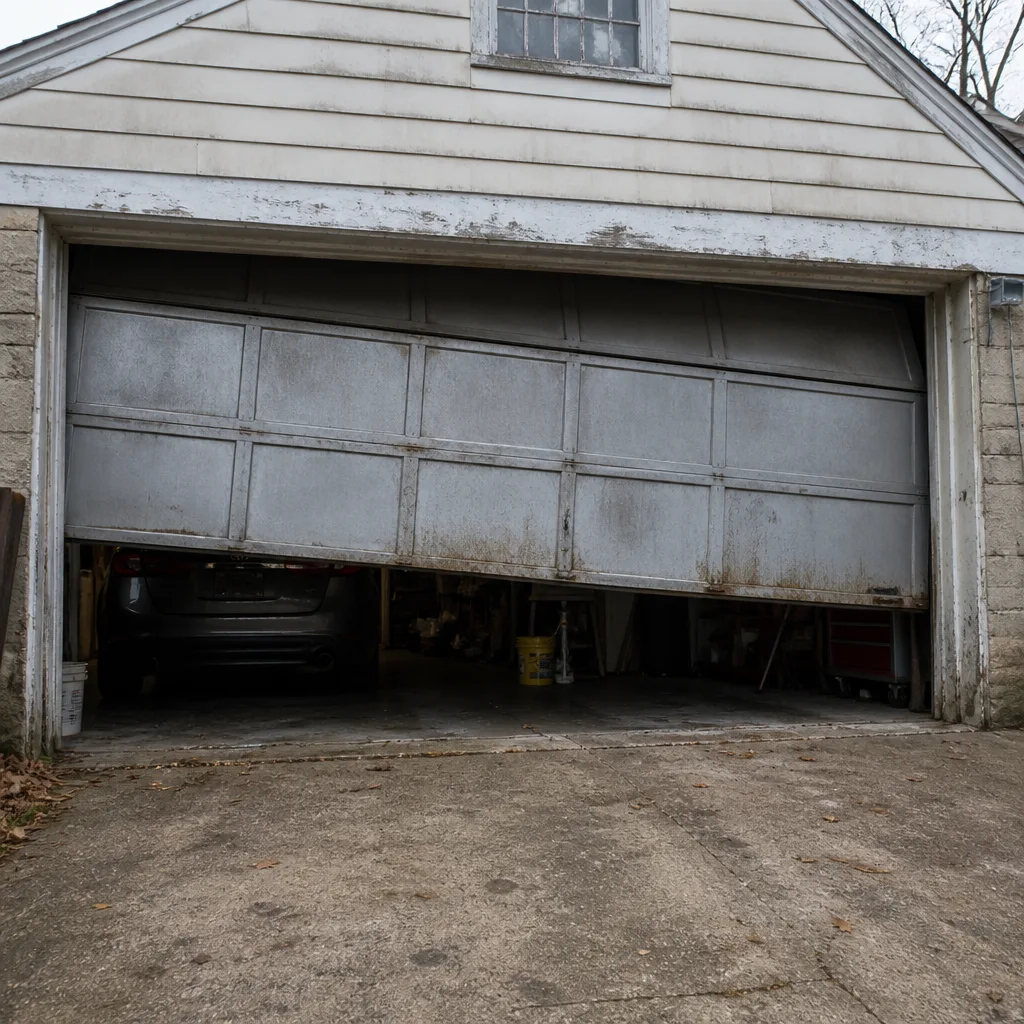 Before
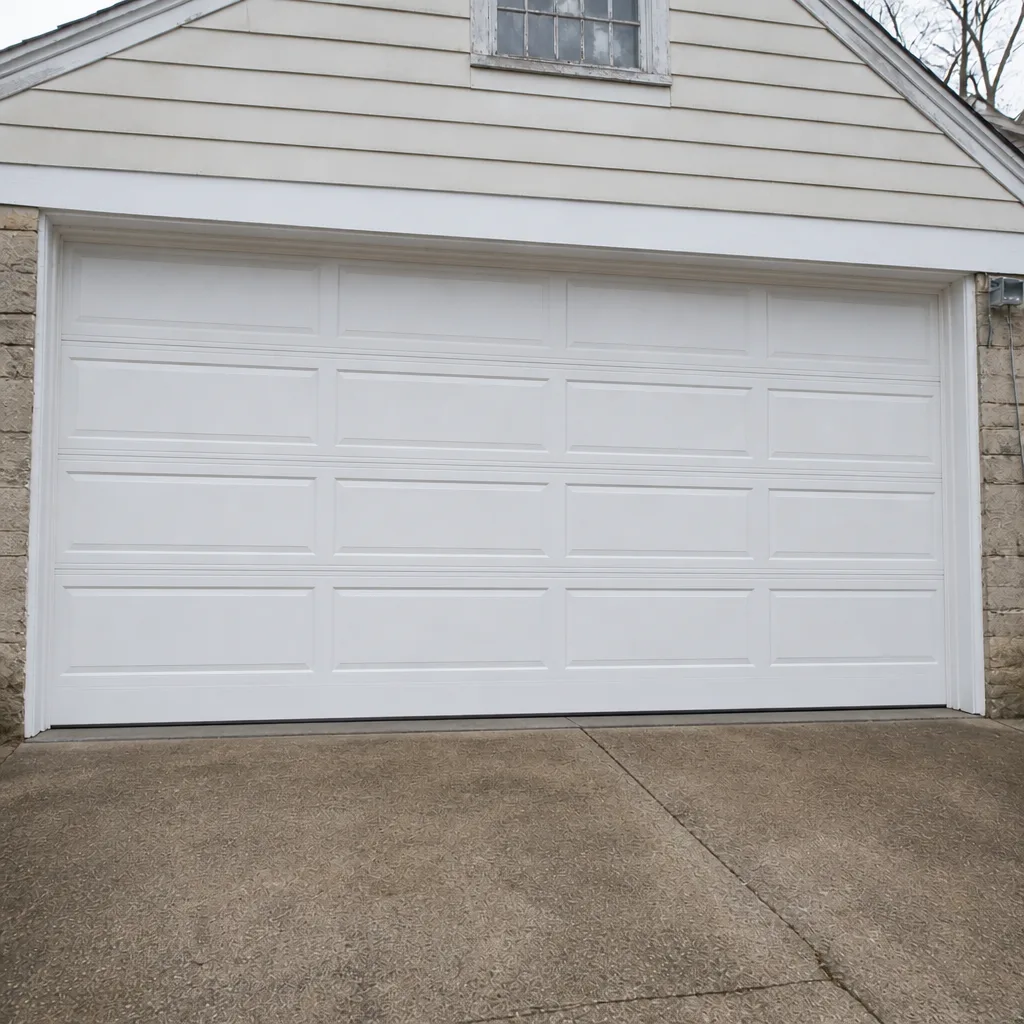 After
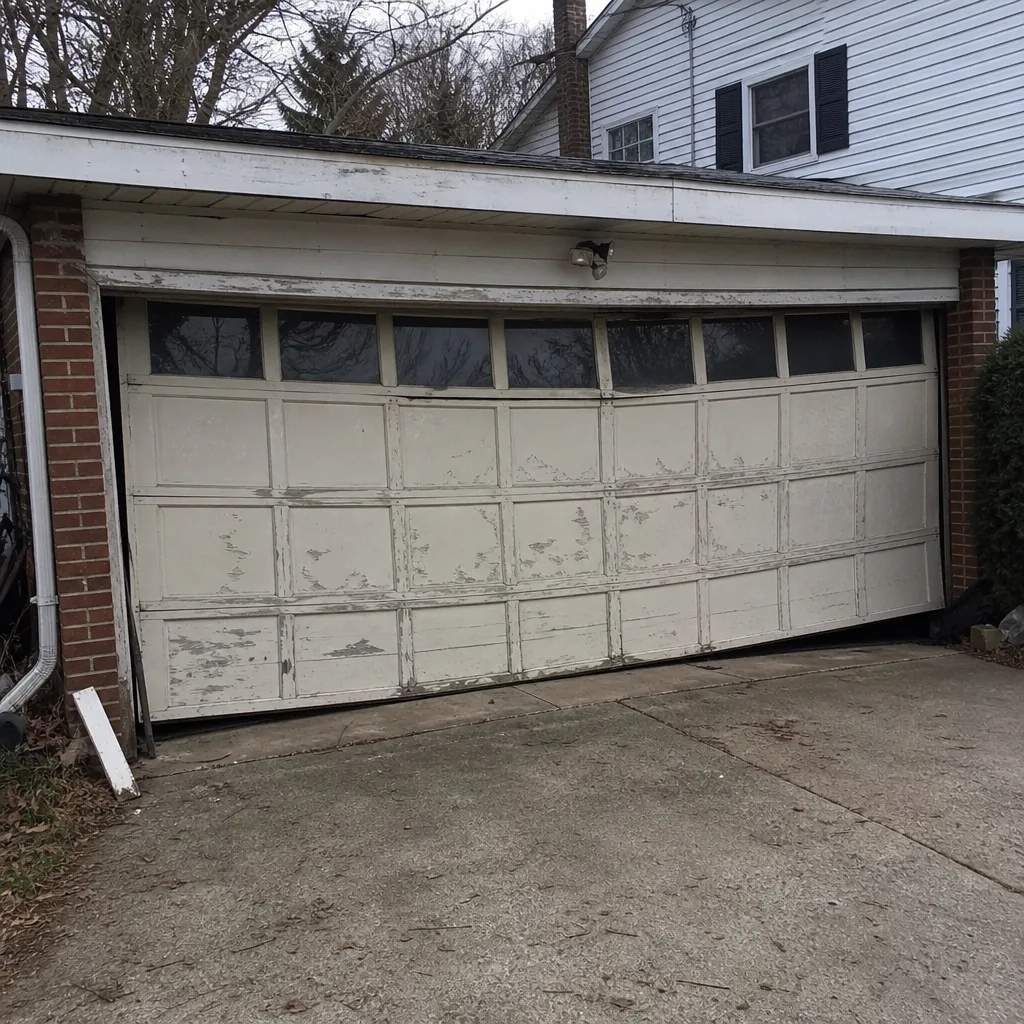 Before
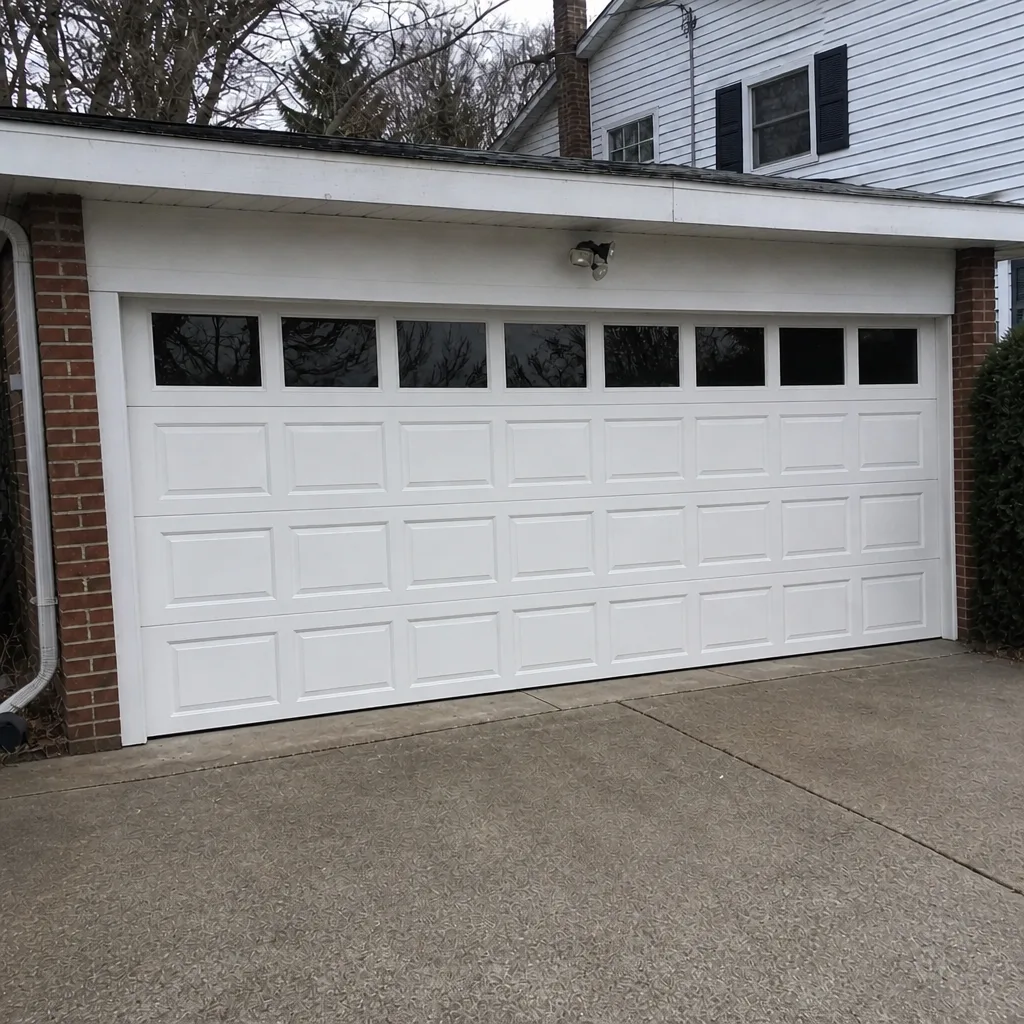 After
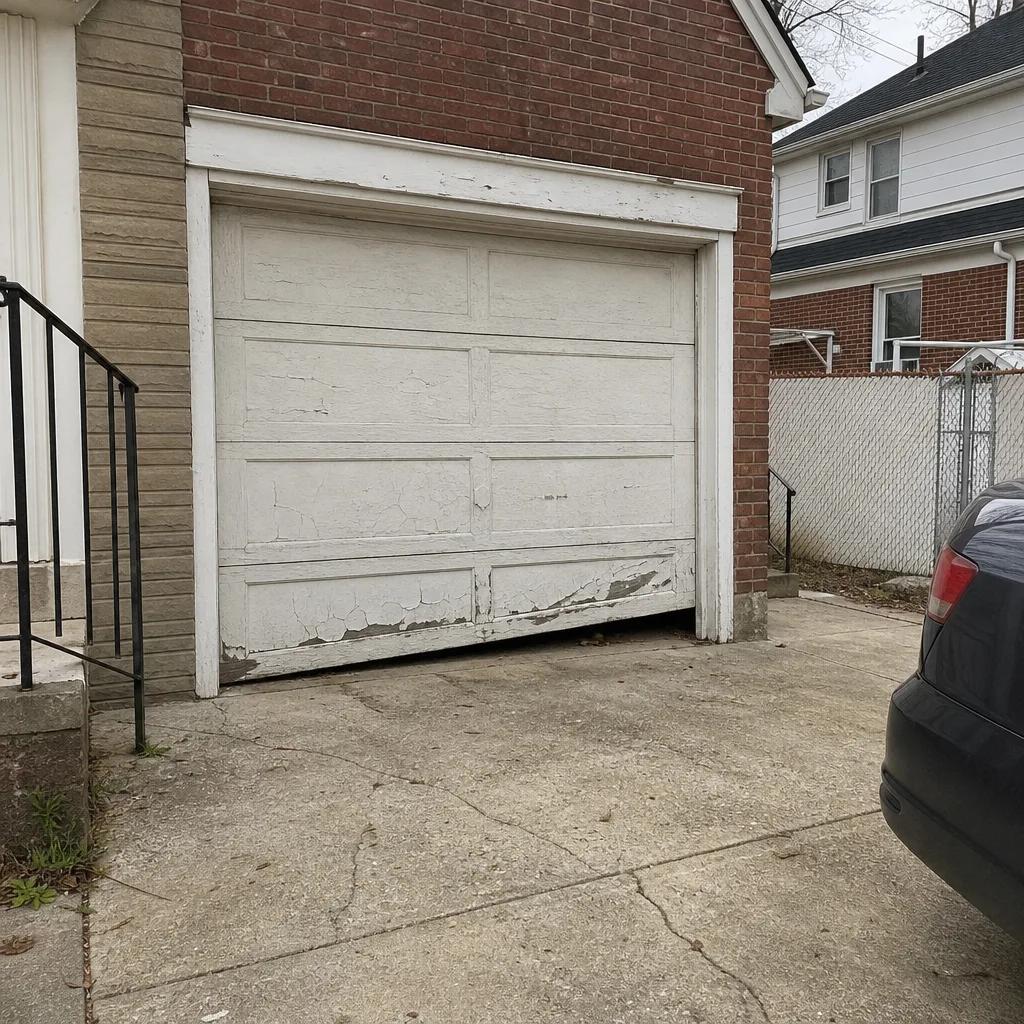 Before
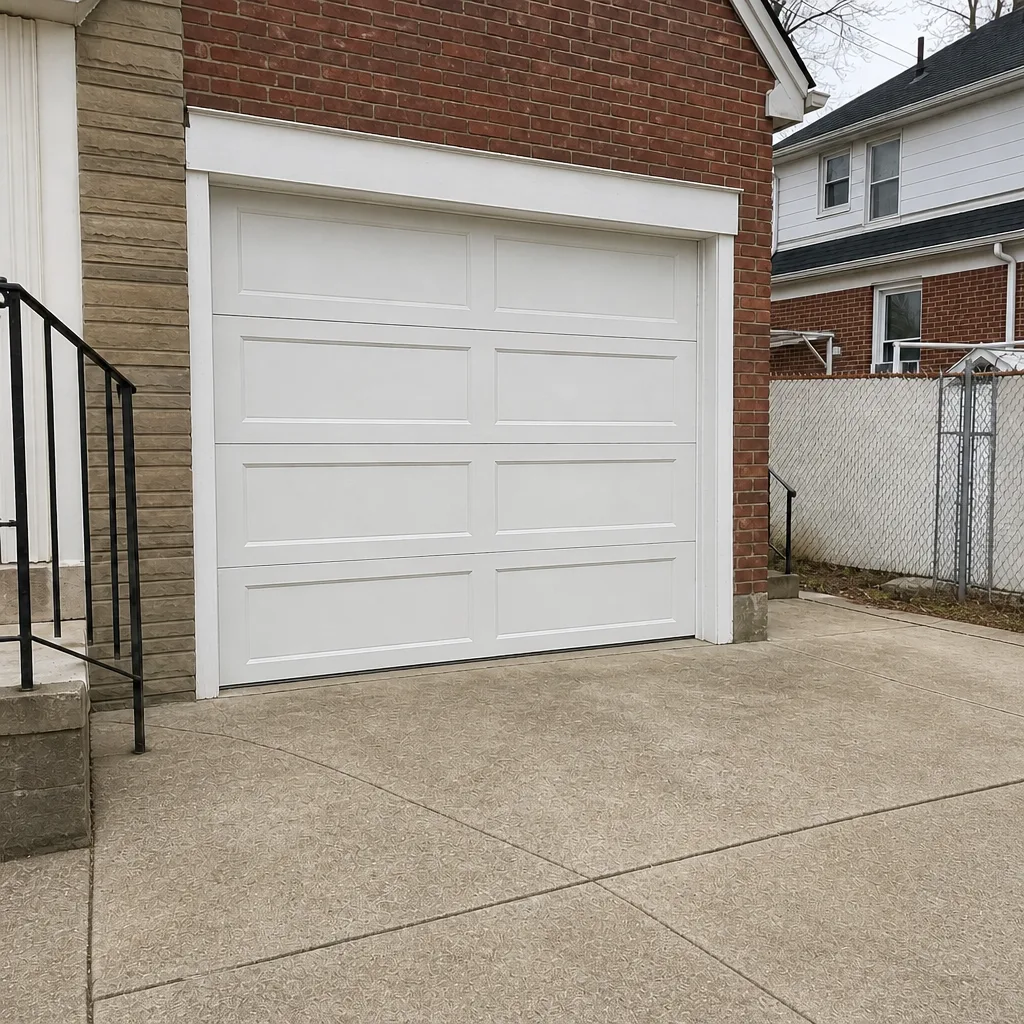 After
When to Call a Professional
Call a professional anytime the task involves spring tension, cable tension, or opener force-limit adjustment beyond the manufacturer’s documented settings. That means any failed balance test, any visible crack or gap in a torsion coil, any slack or frayed cable, any door that reverses on its own, and any door that comes down faster than it goes up. Those symptoms all point to tension or force problems, and the safe way to address them is with trained hands and the right tools. Riverdale Garage Door Repair Pros offers free estimates in Riverdale and connects you with a licensed and insured local garage door technician. Call (855) 745-5903. We answer 24/7. Fast dispatch from 7am to 7pm, Sunday through Friday. Don’t force a door you’re not sure about.
Frequently Asked Questions
Run a quick visual check and lubrication once a month, and the full checklist – including the balance test – twice a year, ideally in spring and fall when temperatures change. Seasonal checks catch the freeze-thaw wear that Riverdale garages see most. If the door gets heavy use as the primary entry point, monthly lubrication is a real investment in longevity.
You can and should lubricate hinges, rollers, and the weather seal yourself. White lithium grease on the hinge and roller contact points, silicone spray on the weather seal, light spring lubricant on the coil – that’s the safe homeowner work. Anything involving spring or cable adjustment is not.
Yes. Stiffness at the manual balance test points to a worn spring or a bind in the tracks that a visual check won’t reveal. A door that resists you at waist height is a door with an under-tensioned spring system. Call for a free estimate before it stops opening entirely.
White lithium grease is petroleum-based and degrades the rubber weather seal over time, causing it to harden and crack. Silicone spray is the correct choice for any rubber component on the door. Use silicone on the bottom seal and weatherstripping; use white lithium on the metal hinges and rollers.
No. A cracked torsion spring can fail without warning, and the failure is violent. Stop using the door and call a technician. Spring replacement is the one repair where waiting is genuinely dangerous. A door that’s got a cracked spring should be treated like a door that’s already broken.
The safety reverse sensor is being triggered, usually by a misaligned photo-eye or a force-limit setting that has drifted. On LiftMaster and Chamberlain openers, this is the most common electronics issue we see. It’s rarely the door hardware, but it does mean the door isn’t safe to run until the sensor is corrected. Call for a technician to diagnose, and use the emergency release to open the door by hand in the meantime.
The Bottom Line
A maintenance checklist is only useful if it tells you what you’re actually looking for. The seven components on this list – springs, cables, rollers, hinges, seals, opener, and balance – each have a “healthy” look and a set of early-warning signs, and the visual check you do yourself should point you toward the ones that need a professional eye. Monthly lubrication, twice-yearly balance tests, and seasonal checks of the hardware are yours. Spring and cable work is not. If a balance test fails, a spring shows any crack or gap, a cable is frayed or loose, or the door behaves differently than it did last season, that’s your cue to call. Riverdale Garage Door Repair Pros connects you with a trained local technician who works on doors and openers from brands like Amarr, Wayne Dalton, Craftsman, and Raynor every week, and we’re ready when you are.
Ready when you are – call (855) 745-5903 for a free estimate. We answer 24/7. Fast dispatch from 7am to 7pm, Sunday through Friday. New installations and full door replacements are measured, ordered, and scheduled with a free in-person measure and a written price before any work begins. Repair calls are typically same-day. The price you agree to in writing is the price you pay.
Written by the team at Riverdale Garage Door Repair Pros.