
Last updated November 21, 2026
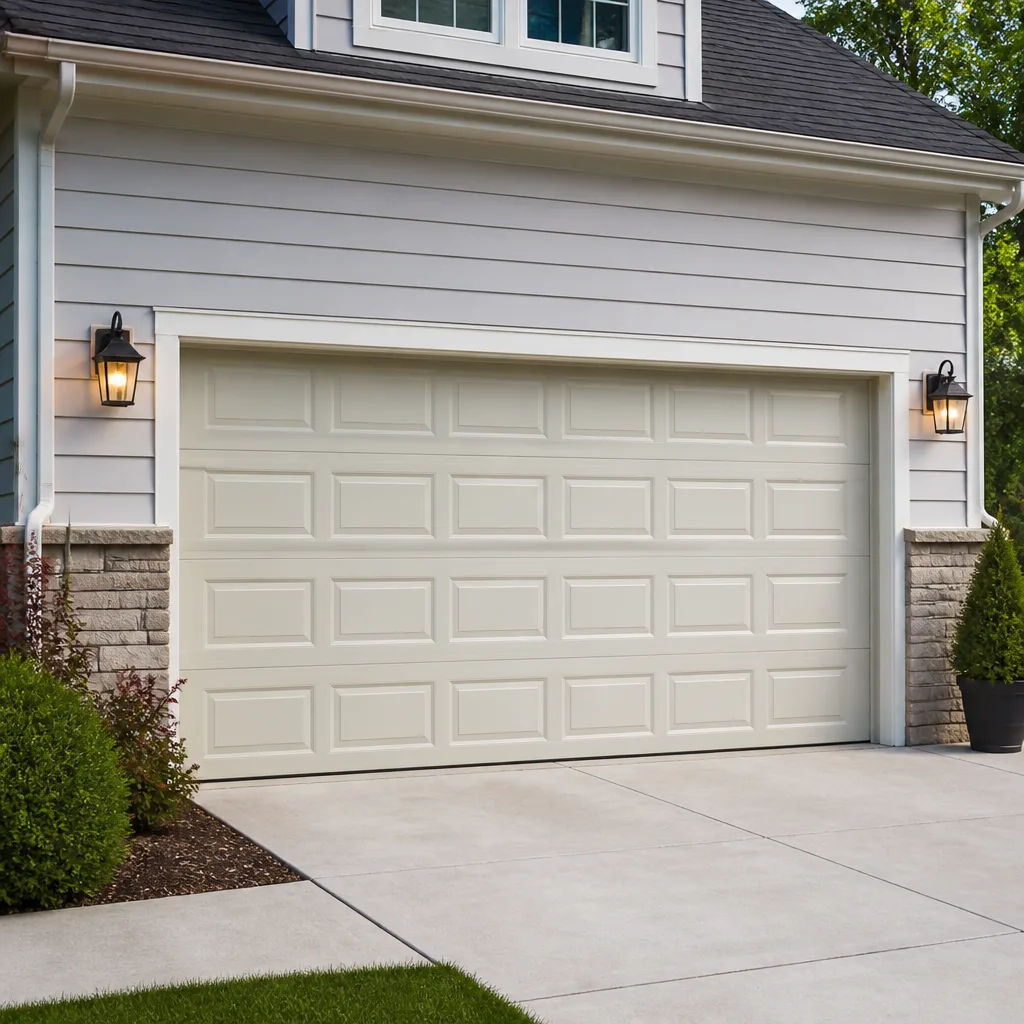 Raised-panel steel
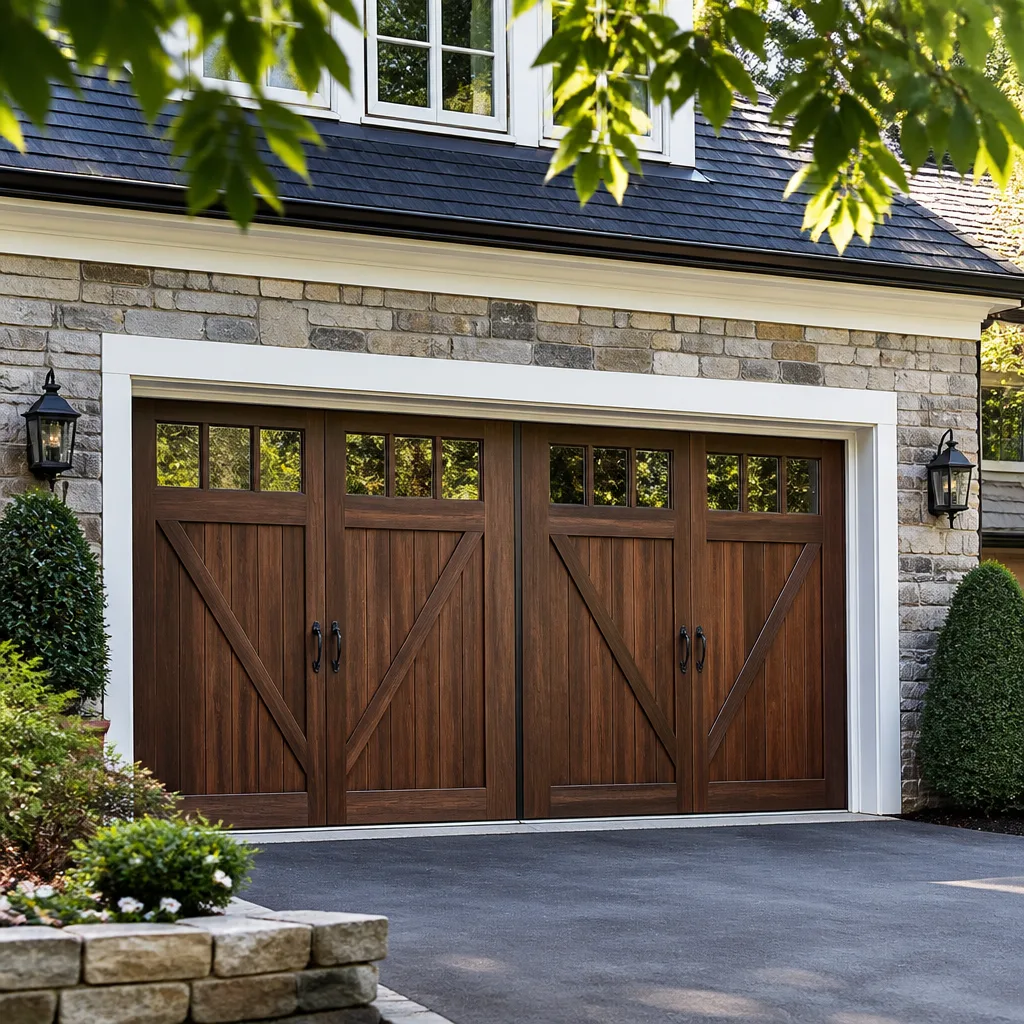 Carriage house
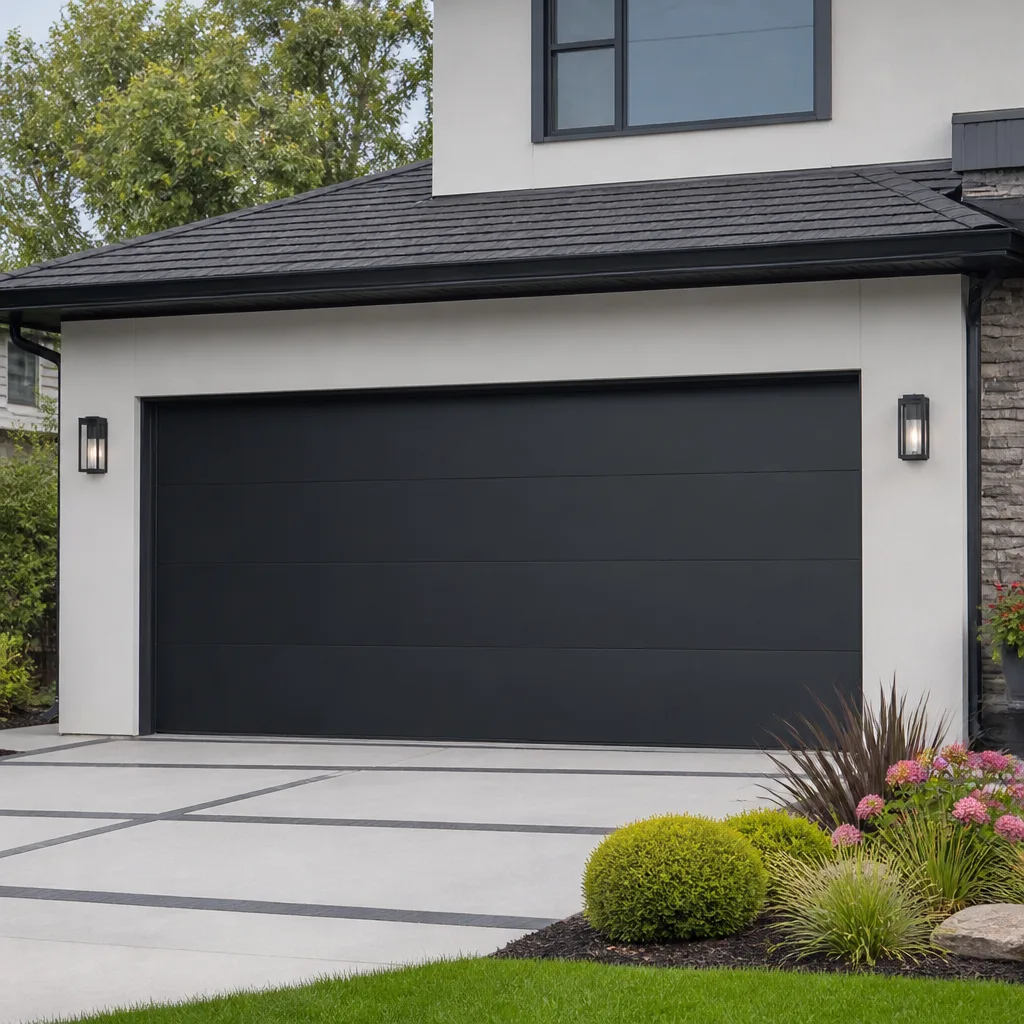 Modern flush
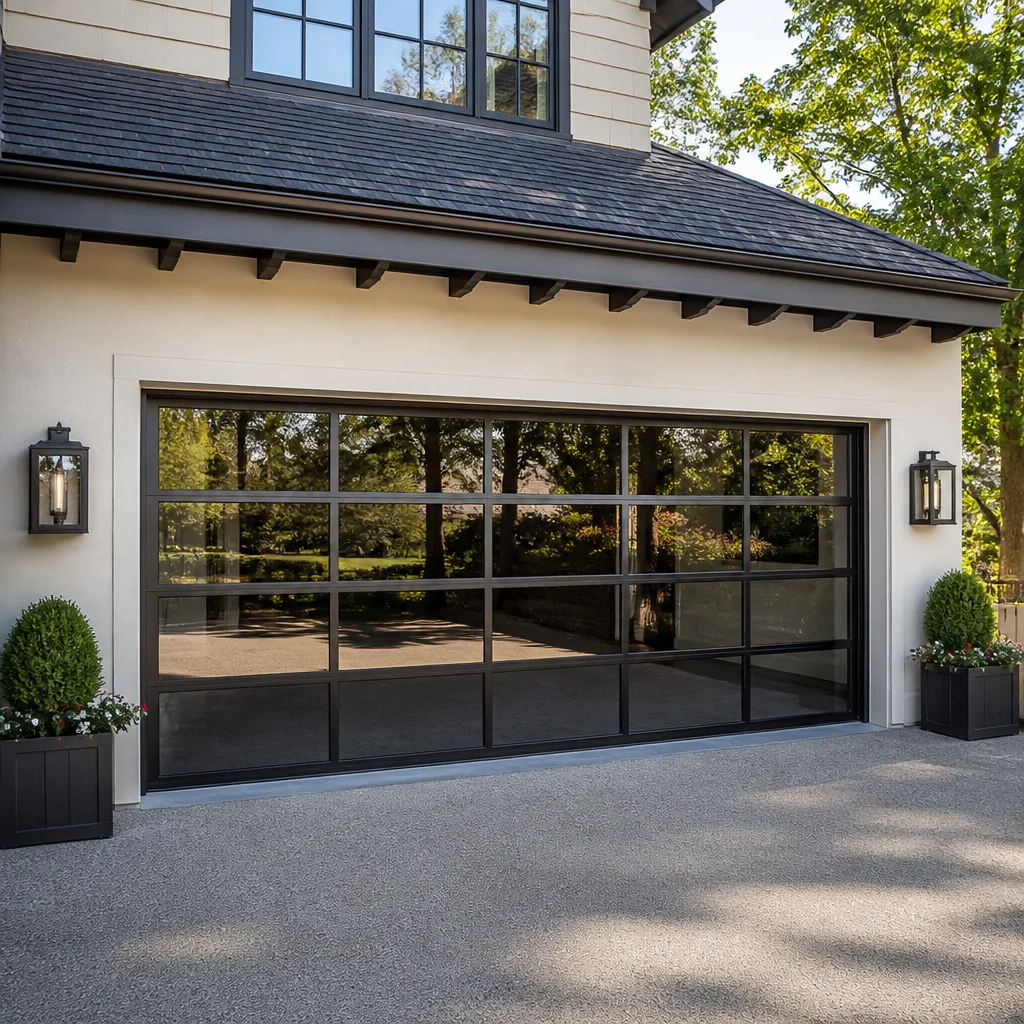 Full-view glass
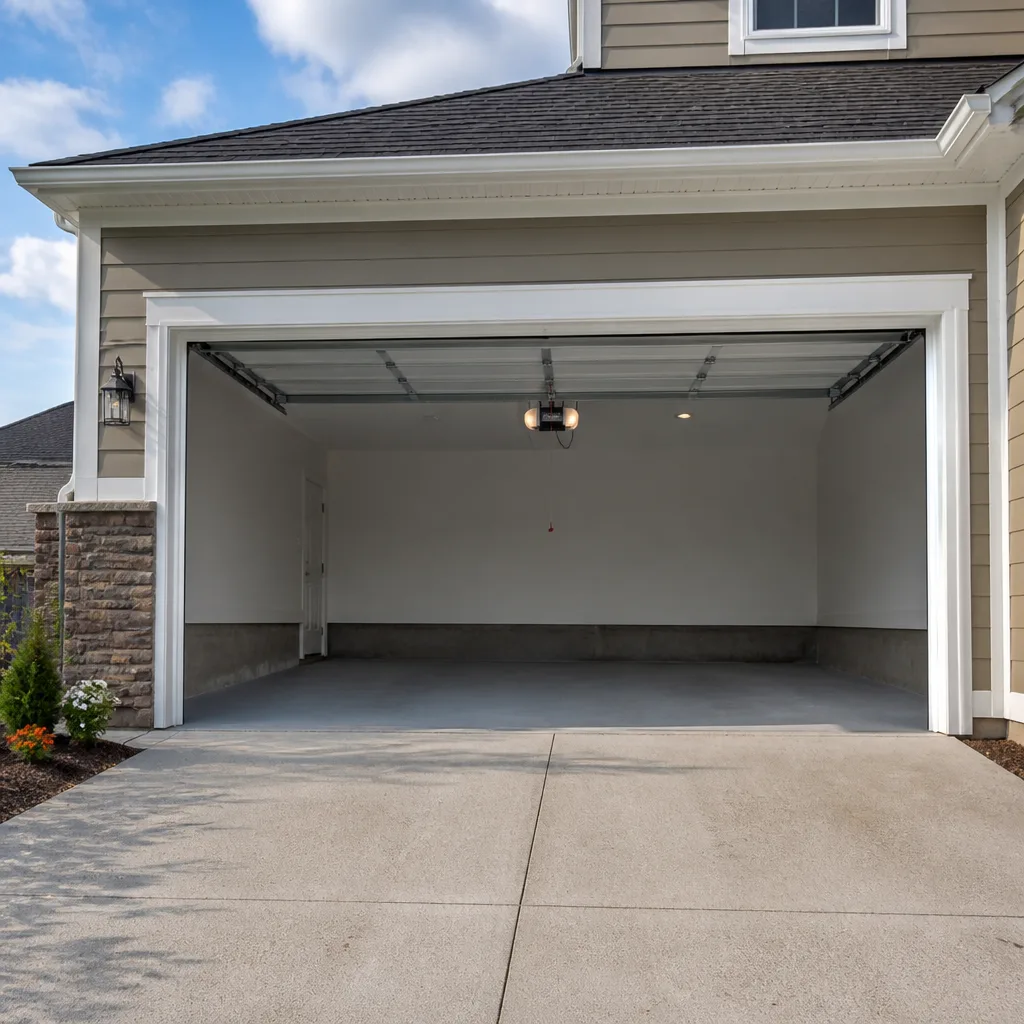 LiftMaster openers
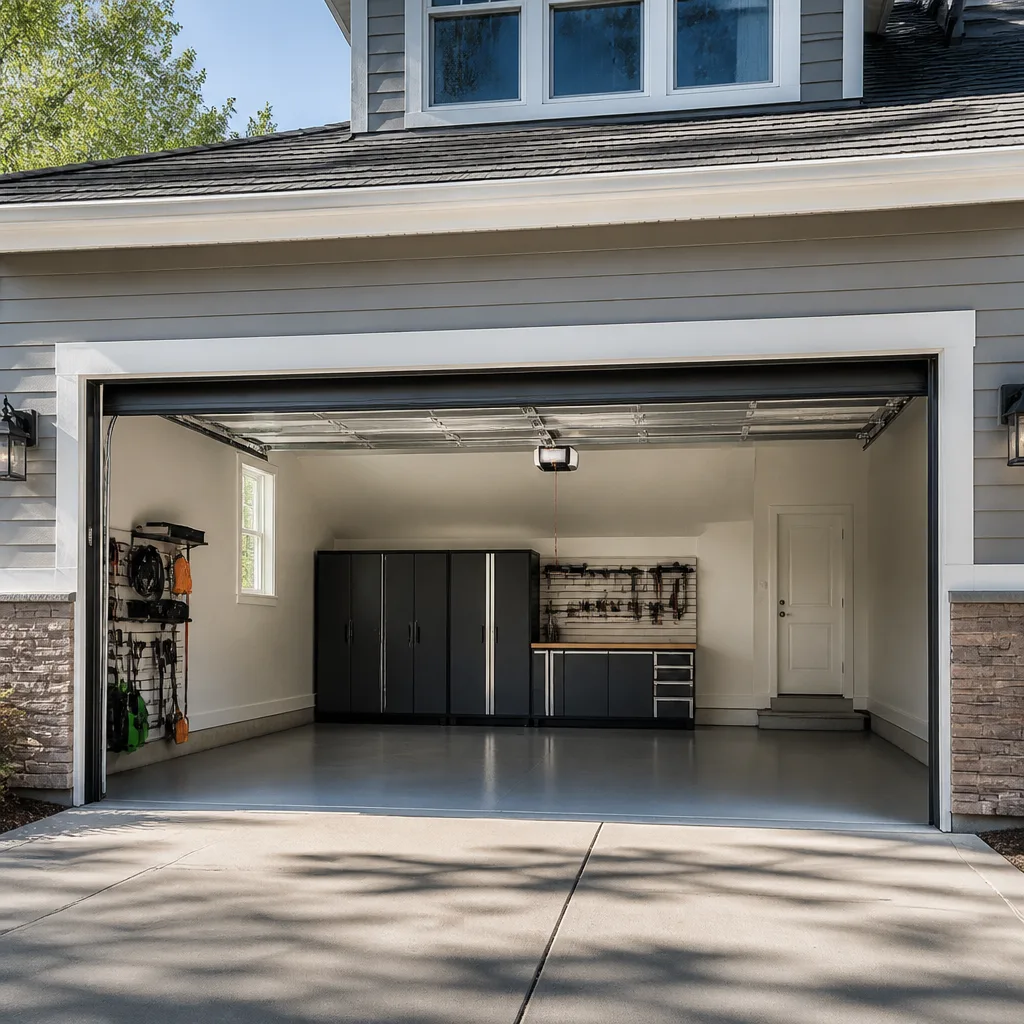 Chamberlain openers
Full 25-point door and opener safety check with every visit - springs, cables, rollers, tracks, and your LiftMaster or Chamberlain opener included
You get a price before we start. It does not change when the pro arrives.
Get your free estimateSeasonal Garage Door Care for Riverdale: Year-Round Homeowner’s Guide
February is when Riverdale garages fail most often, and it’s rarely the cold itself that does it. By late winter, steel tracks have contracted, lift cables have drawn tighter than they sat in October, and the lubricant that moved freely in autumn has stiffened into something closer to paste. A door that lifted quietly all fall suddenly strains, stalls, or refuses to open at all. The strain didn’t start that morning, though. It built up over months of small seasonal shifts nobody noticed. This guide maps the four distinct stress cycles Riverdale’s weather creates on garage door hardware, and what to check in each one so you’re ahead of the failure instead of standing in a cold garage with a car you can’t move.
Quick Answer
Seasonal garage door care in Riverdale means treating maintenance as four separate checkpoints, not one annual chore: pre-winter lubrication and balance testing, a spring corrosion clean-and-inspect after the thaw, a summer check on opener force settings as steel panels expand, and a fall weatherstripping pass before the first freeze. Each season stresses different hardware, so a single tune-up in any one of them leaves the other three unaddressed.
Styles & brands we work with
- Raised-panel steel
- Carriage house
- Modern flush
- Full-view glass
- LiftMaster openers
- Chamberlain openers
Table of Contents
- Why Riverdale’s Seasons Stress a Garage Door Differently
- Winter: Why a Door That Lifted in October Won’t Budge in January
- Spring: The Post-Thaw Inspection Sequence
- Summer: Thermal Expansion and Opener Force Settings
- Fall: Weatherstripping Checklist Before the First Freeze
- Hudson River Humidity and Spring Corrosion
- The Riverdale Garage Door Care Calendar
- When to Call a Professional Instead of Checking It Yourself
Why Riverdale’s Seasons Stress a Garage Door Differently
Most seasonal maintenance advice you’ll find online was written for a generic climate. Riverdale isn’t generic. It sits along the Hudson in the northwest Bronx, which means the neighborhood gets the cold snaps that come with inland northern weather and the humidity the river keeps in the air year-round. Those two facts don’t cancel out. They combine into a cycle most garage door checklists never account for.
Here’s what actually happens to a residential door over a year in Riverdale. Steel panels, tracks, springs and hinges all expand and contract with temperature, and they don’t do it at identical rates. Coils of steel in a torsion spring behave differently from the flat rails of a track, and a garage that’s unheated in February cools much of that hardware below the temperatures the manufacturer accounted for. Add river humidity the rest of the year and you’ve got corrosion working on the same springs that thermal contraction is already stressing. Neither stress is dramatic on its own. Together, over one season, they’re why a door can go from smooth to struggling with no obvious cause.
We’re a single-trade company, so garage doors are all we work on. That means when we get called out in Riverdale after a cold snap, we’re not diagnosing a door for the first time. We’ve watched the same failure pattern repeat across the neighborhood for years: a door that ran clean in the fall, a hard freeze in January, and a call in February. Understanding the seasons is understanding why the call happens when it does.
The other piece worth naming: garages in Riverdale are often attached or built under the house, and the door is a primary entry point for a lot of households. When it’s down, life gets complicated fast. All of this is why the maintenance calendar below is split into four checkpoints instead of a single annual service. Skipping one season means you’re not just missing a task. You’re leaving a stretch of the year where a specific hardware failure goes unwatched.
A quick primer on what stresses what, before the season-by-season breakdown:
- Torsion springs and cables are affected by cold contraction, then by humidity-driven corrosion, then by the load of the door on a stretched cable across the rest of the year.
- Steel panels and tracks respond to summer heat expansion and winter contraction, which is why gaps appear and bind in different places at different times.
- Bottom seals and weatherstripping take the brunt of road salt, runoff, and freeze-thaw cycles between seasons.
- Opener electronics sense all of this and adjust their force to compensate, then get confused when the door’s resistance changes with the temperature.
None of that requires a homeowner to become a mechanic. It requires knowing when to look, and what to look at. We cover how to get from a struggling door to an exact repair price in our garage door repair guide. What follows is the seasonal map.
Winter: Why a Door That Lifted in October Won’t Budge in January
When the temperature drops below freezing in Riverdale, torsion spring tension doesn’t change on its own. What changes is the door’s weight and the friction it meets as it travels. Metal contracts, the gap between a roller and its track narrows or widens unpredictably, and the grease in hinges and rollers thickens to a point where the opener is now fighting the door instead of lifting it. A spring that was correctly wound for October is being asked to lift a door in January that moves with more resistance per inch.
That mismatch is why a door can lift fine one week and stall the next. The spring hasn’t failed. The balance between spring lift and door weight has drifted out of the sweet spot the installer set. Sometimes the fix is lubrication and a balance test. Sometimes it’s an adjustment to the spring or to the opener’s force settings. Either way, the problem is easier to sort before the door is stuck halfway up in a cold garage with no way to get the car out.
The winter checklist, in order:
- Listen on the first cold morning. A groan, grind or sharp squeal that wasn’t there in fall means friction has increased somewhere. Note whether it happens on the way up, the way down, or both.
- Lubricate hinges, rollers and the track’s bearing surfaces with a garage-door-rated lubricant. Avoid grease that hardens below freezing; it makes the problem worse in this climate.
- Run the balance test. With the door closed, pull the manual release, lift the door by hand to about halfway, and let go. A well-balanced door holds its position or drifts slightly. A door that drops hard means the springs are under-lifting for the door’s current weight and need attention.
- Watch the opener’s behavior. If a LiftMaster or Chamberlain opener reverses partway up, or the wall control flashes a diagnostic code, that’s the opener telling you the force it needs has exceeded its setting. Riding the force up to force it through isn’t a fix; it masks a mechanical problem the door is trying to report.
- Look at the bottom seal. If it’s frozen to the floor and peels when the door lifts, the seal is trapping water or has already degraded. That’s a spring problem in the making.
One safety note here, and it’s the most important one in this guide. The high-tension springs above your door are under enough load to cause serious injury if handled wrong. Don’t disassemble, unwind, or adjust them yourself. That work belongs to a trained technician with the right winding bars and the hands-on experience to know when a spring is on the edge of failing. Our Riverdale Garage Door Repair Pros team handles spring replacement as a core specialty for exactly this reason.
Spring: The Post-Thaw Inspection Sequence
Once the last freeze passes and the ground stops shifting, Riverdale garages enter the season where the winter’s damage becomes visible. Two things drive this. First, road salt and meltwater from a long winter have been sitting on the bottom seal, the bottom panel and the lower track, and they don’t just dry off – salt keeps working on metal through every wet cycle. Second, cable drum hardware at the top of the door has been under winter tension, and the first warm weeks are when a stretched cable or a worn bearing starts to show itself.
The post-thaw inspection is a sequence, not a single glance. Follow it in this order because each step tells you whether the next one matters:
- Look at the bottom of the door first. A bottom seal that’s cracked, torn, or stuck to the floor needs replacing. Check the bottom panel for bubbling paint or rust around the base, which is where salt runoff does its damage.
- Inspect the lower track and rollers. Salt, grit and debris accumulate at the base. If the door catches or jumps as it starts to lift, the lower rollers or track are likely the cause.
- Check the cable drum area. This means the top corners where the cables wind around the drums. A cable that sits unevenly, has visible fraying, or is slack on one side is a job for a technician. Don’t touch it yourself – the cables are under the same spring tension and can snap without warning.
- Look at the springs. With the door closed, examine the coil for rust, flaking, or visible gaps. A torsion spring showing rust means the humidity work from the rest of the year is done; a spring that’s lost tension is one cold snap away from failing.
- Test the auto-reverse. Place a piece of scrap wood on the floor in the door’s path and close the door. The door should reverse on contact. If it doesn’t, stop using the door and call us – that’s a safety failure, not a cosmetic issue.
We recommend this sequence because we see what happens when it’s skipped. The bottom seal degrades first, water gets behind it, the bottom panel rusts, and by summer the door’s weight has changed enough that the opener is straining. Catching it in spring means a seal and a clean, not a panel replacement. Skipping it means an installation job that didn’t have to be one.
Summer: Thermal Expansion and Opener Force Settings
July heat does the opposite of January cold: it expands the steel in your door’s panels and tracks. That expansion can close small gaps between the door and the frame and create binding that wasn’t there in May. It can also push a door that was perfectly balanced in spring slightly out of balance. Most of the time, a homeowner notices this as a door that closes with a clunk, or an opener that reverses partway down even though nothing has slammed into it.
Opener force settings are the reason this matters. Every residential opener, whether it’s a Genie, a LiftMaster, or a Chamberlain, has a force limit programmed into it. When the door binds in July, the opener needs more force to push through, and eventually it hits the limit and reverses. The natural response is to turn the force setting up. That works for a few days and then the door binds harder in August, or the opener’s gears take the extra load and wear faster.
The right summer response:
- Check the door’s manual balance first. Pull the release, lift the door halfway, and see if it holds. If it’s drifted, the door needs adjustment, not more opener force.
- Look for binding at the tracks. A track that’s slightly bowed inward from heat expansion will catch a roller. Straightening it or loosening the track’s fasteners to let it settle is a technician adjustment, not a homeowner fix.
- Leave the opener force setting alone unless you’re certain the door is mechanically free. Bumping force to cover a mechanical bind is how openers get damaged.
- Note the timing. A door that binds in the afternoon heat but runs fine in the morning is telling you it’s thermal expansion. A door that binds all day is telling you something else.
If your opener is reporting trouble – a code on the display, a remote that works intermittently, a wall control that’s dead – our garage door opener repair covers the electronics side. The opener itself isn’t usually the failing part; it’s usually reporting a door that’s changed shape under the summer heat.
Fall: Weatherstripping Checklist Before the First Freeze
Fall is the most valuable checkpoint on the calendar, and it’s the one homeowners skip most often. The reason is simple: once the first freeze hits, diagnosing a problem gets harder. Cold stiffens the grease, contracts the metal, and muddies the signal. A door that binds in fall might be binding because of a worn roller, a track that needs adjusting, or a spring that’s losing tension. A door that binds in January after two months of contraction and one failed freeze-thaw – that same door is telling you all those things at once, and untangling which one is actually the cause takes longer.
That’s why fall is the season to address mechanical issues. The door is still behaving close to its summer baseline, so a change is easier to spot. And the work happens before the same hardware is asked to perform in cold conditions.
The fall weatherstripping and pre-freeze checklist:
- Inspect the bottom seal. Run your hand along it – if it’s rigid, cracked, or no longer making contact with the floor along its full length, replace it before the freeze. A seal that doesn’t close lets cold air and water in and stresses the door on every closure.
- Check the perimeter weatherstripping. The strips around the door frame on the sides and top. If there are gaps or sections peeling away, cold air and moisture get behind the door and into the garage.
- Look at the threshold. Any crack or gap between the threshold and the floor slab lets water in, which then freezes and damages the seal and the bottom panel over the winter.
- Address any opener issue now. A remote that’s flaky, a wall control that sometimes doesn’t respond, a safety sensor that’s out of alignment – get these sorted in the fall. Cold weather makes electronics fail more often, and diagnosing a failing sensor at the same time as a struggling door is harder than fixing the sensor before the door’s load changes.
- Lubricate everything you’re going to lubricate for the winter. Hinges, rollers, torsion spring coil (lightly), and the track. Getting this done in October is cheaper than discovering a stiff door in January.
- Test the balance one more time. Same test as winter, done in the fall while the door is behaving predictably.
If fall catches you with an opener that needs replacing rather than repairing, this is also the season to plan an installation. Scheduling it in cool weather gives you a comfortable window to sort out the door and opener together. Our garage door installation page walks through what a new door and opener project looks like from measure to final balance. Fall is the season to do it.
Hudson River Humidity and Spring Corrosion
There’s a seasonal factor in Riverdale that inland Bronx neighborhoods don’t get to the same degree: the Hudson. Humidity off the river stays in the air most of the year, and it does more to garage door hardware than most homeowners realize. The two parts of a door most affected are the torsion springs and the hinges. Both are steel, both work under load, and both corrode faster in steady humidity than they would in drier air thirty miles inland.
Corrosion on a spring isn’t cosmetic. A spot of rust on the coil creates a stress concentration – a point where the steel is slightly weaker than the rest of the coil. Under the repeated wind-and-unwind of daily use, that weakened point is where the spring eventually fails. The same is true of a hinge pin: a bit of rust in the pin mechanism adds friction to every cycle, which the opener senses as increased force demand.
What that means for Riverdale homeowners:
- Spring inspection should be seasonal, not annual. A visual check for rust on the coil in spring and fall is the single most useful thing you can do for the door’s long-term health.
- Lubricant choice matters here more than in a dry climate. A door-specific lubricant that displaces moisture is worth the difference in cost. Generic household oil doesn’t hold up against river humidity.
- Hinge inspection is quick. Look for rust-colored staining at the hinge pin. A hinge that’s starting to seize can be lubricated before it damages the door panel it’s attached to.
- Bottom seal replacement should be a regular seasonal item, not a one-time fix. The seal keeps the worst of the moisture out. Once it fails, river humidity gets into the bottom panel and the lower track and starts working on both.
If you want to know exactly what a door’s condition is before that humidity-damaged spring fails, a professional inspection is the fastest way to find out. We answer 24/7 at (855) 745-5903, and our technicians have up to 8 years of experience diagnosing this exact pattern across Riverdale.
The Riverdale Garage Door Care Calendar
Here’s the whole year on one page. Use it as the reference point for the rest of this guide and for what you tell a technician when you call.
| Season | Primary Stress | What to Check | Most Common Failure |
|---|---|---|---|
| Winter (Dec-Feb) | Cold contraction, stiff lubricant, increased door resistance | Listen for new noise; lubricate hinges/rollers; balance test; check bottom seal for freezing | Opener reverses; door won’t lift |
| Spring (Mar-May) | Salt and meltwater damage; winter cable and spring fatigue | Bottom seal; lower track; cable drums; spring rust; auto-reverse | Stretched cable; failing spring |
| Summer (Jun-Aug) | Thermal expansion of panels and tracks; opener force settings | Balance test; track binding; leave opener force alone; note time of day binding occurs | Opener reverses mid-close |
| Fall (Sep-Nov) | Pre-freeze readiness; weatherstripping; opener electronics aged from summer | Bottom seal; perimeter weatherstripping; threshold; resolve any opener issues; lubricate | Failed weatherstripping; opener sensor faults |
Four checkpoints. Each addresses a different hardware stress. Missing one means the hardware it protects goes into the next season unprotected.
When to Call a Professional Instead of Checking It Yourself
Most seasonal inspection is something you can do. A few things aren’t. Here’s where the line falls:
- Any spring adjustment or replacement. High-tension torsion springs and extension springs store enough energy to cause serious injury if handled without the right tools and experience. Don’t try to unwind, adjust or remove a spring yourself.
- Cable work. Cables are under the same spring tension as the springs. A cable that’s frayed, slack or off its drum is a technician job.
- Track straightening or realignment. A track that’s bowed or out of alignment has to be repositioned with the door under controlled load. This is easy to make worse.
- Repeated opener reversals after lubricating and balancing. If the door is mechanically free and the opener still reverses, the problem has moved from the door to the opener or its force settings. That’s a diagnostic job.
- Panel replacement. A dented or rusted panel has to be replaced with one that matches the door’s weight and profile. Getting the wrong panel changes the door’s balance and stresses the springs.
For everything on that list, our technicians are trained on the eight major residential brands – LiftMaster, Chamberlain, Genie, Clopay, Amarr, Wayne Dalton, Craftsman and Raynor – which covers the equipment in the vast majority of Riverdale garages. We quote a written price before any work starts, so there’s no surprise invoice after the diagnosis. Riverdale Garage Door Repair Pros offers free estimates in Riverdale. Call (855) 745-5903. We answer 24/7. Fast dispatch from 7am to 7pm, Sunday through Friday.
See the difference
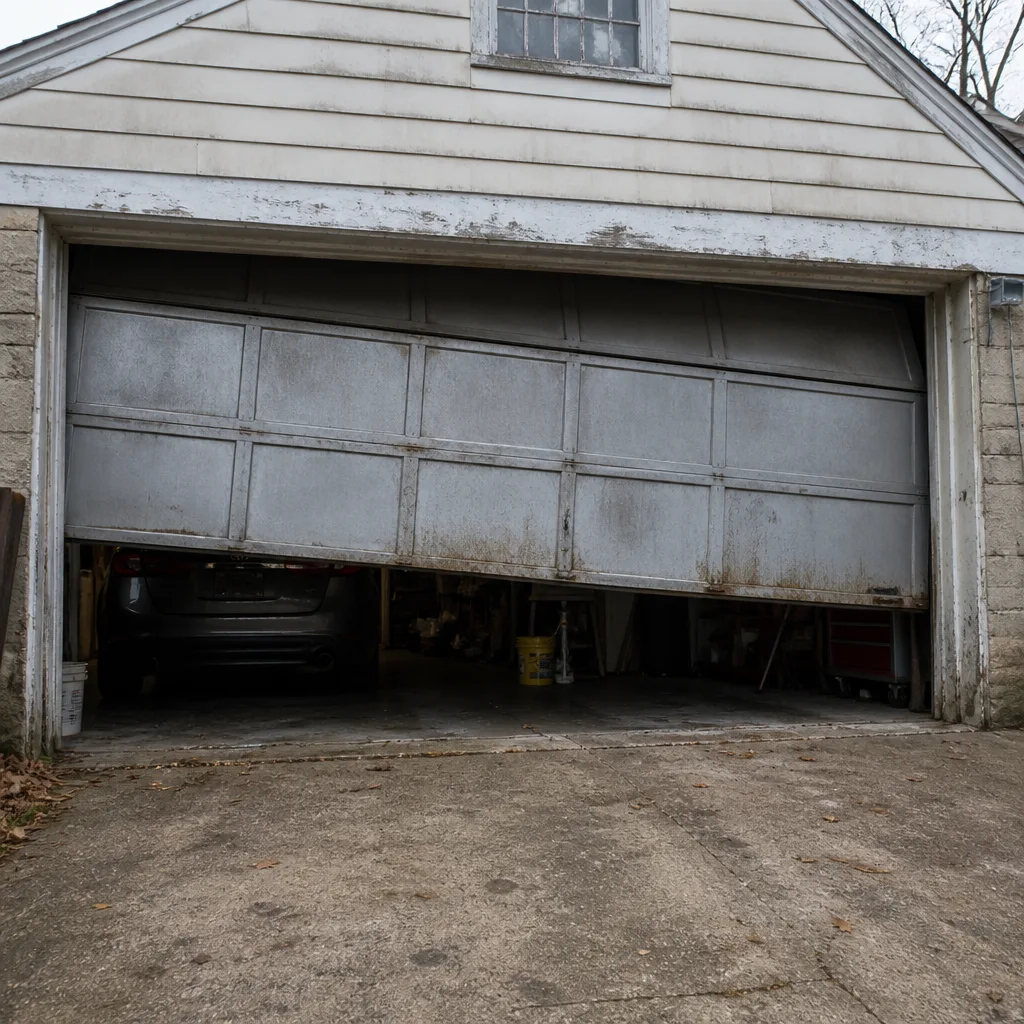 Before
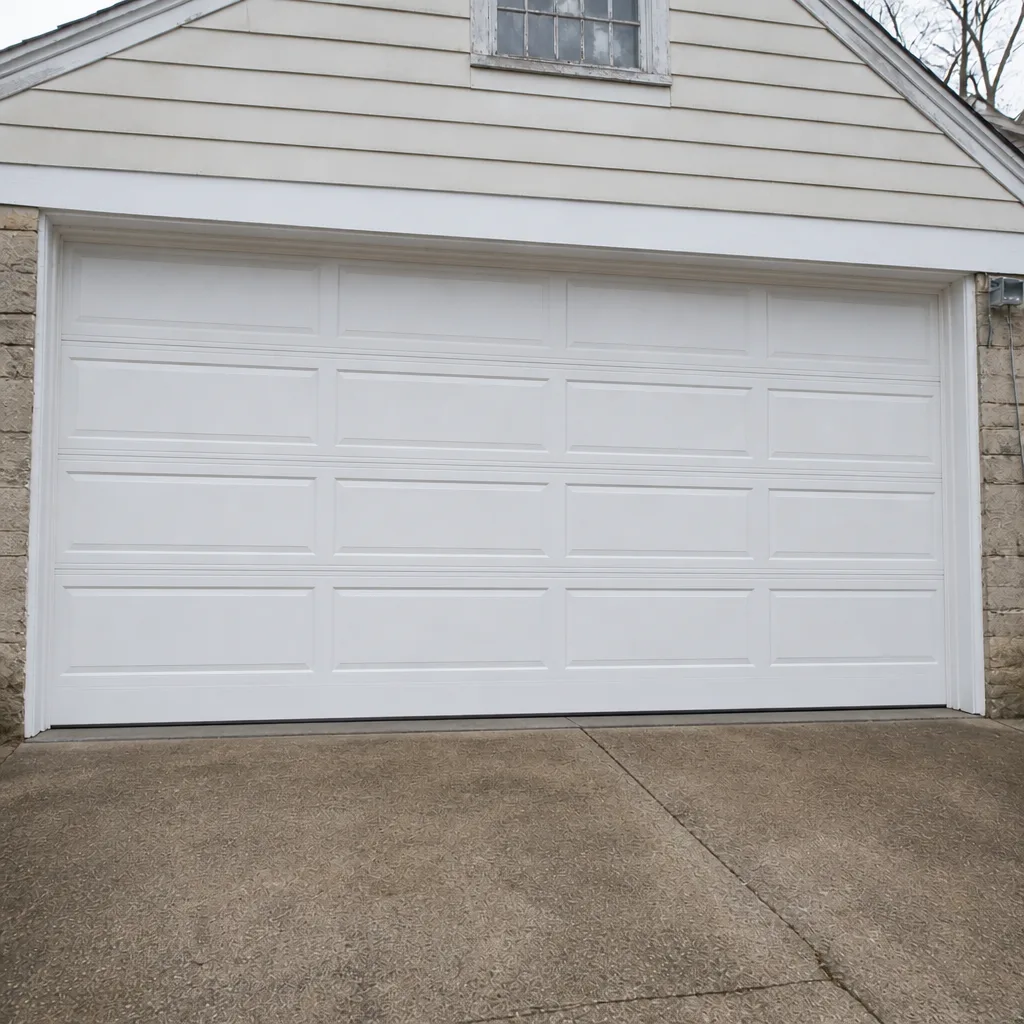 After
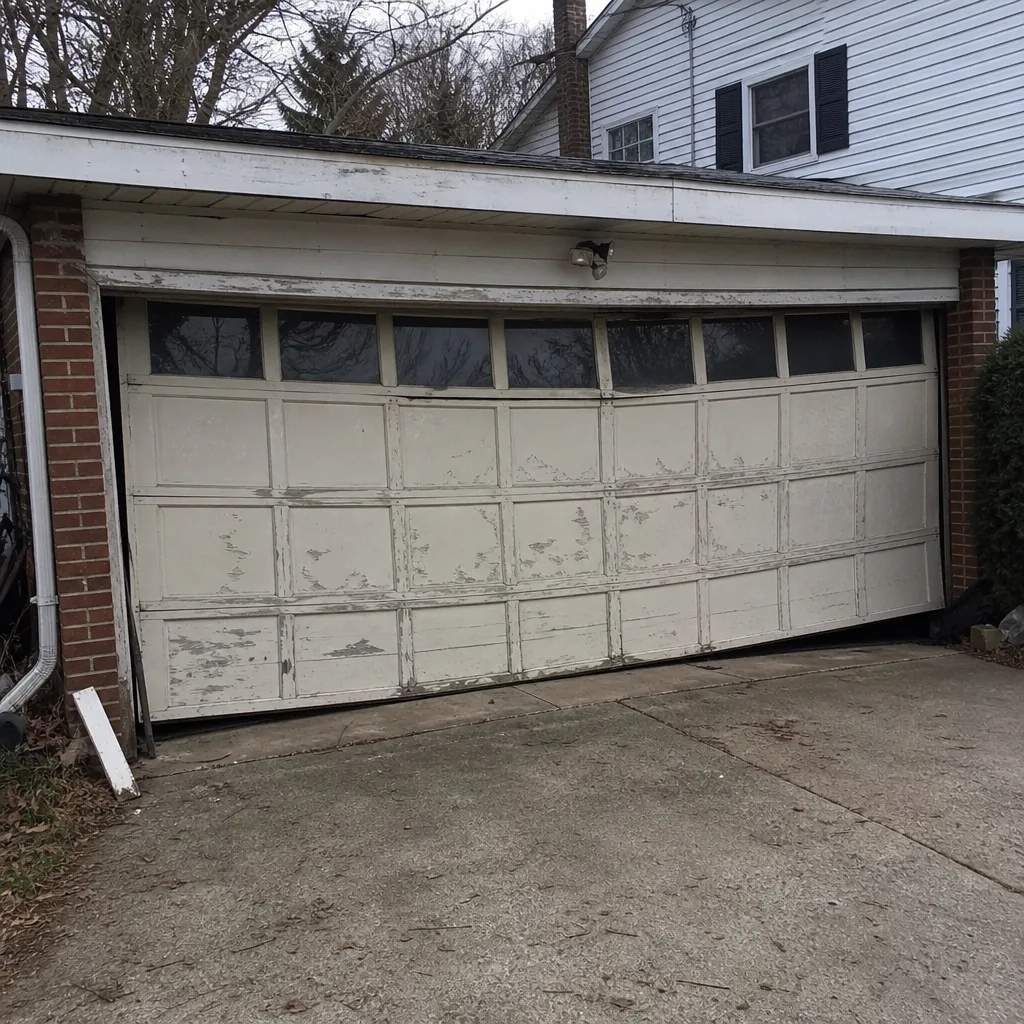 Before
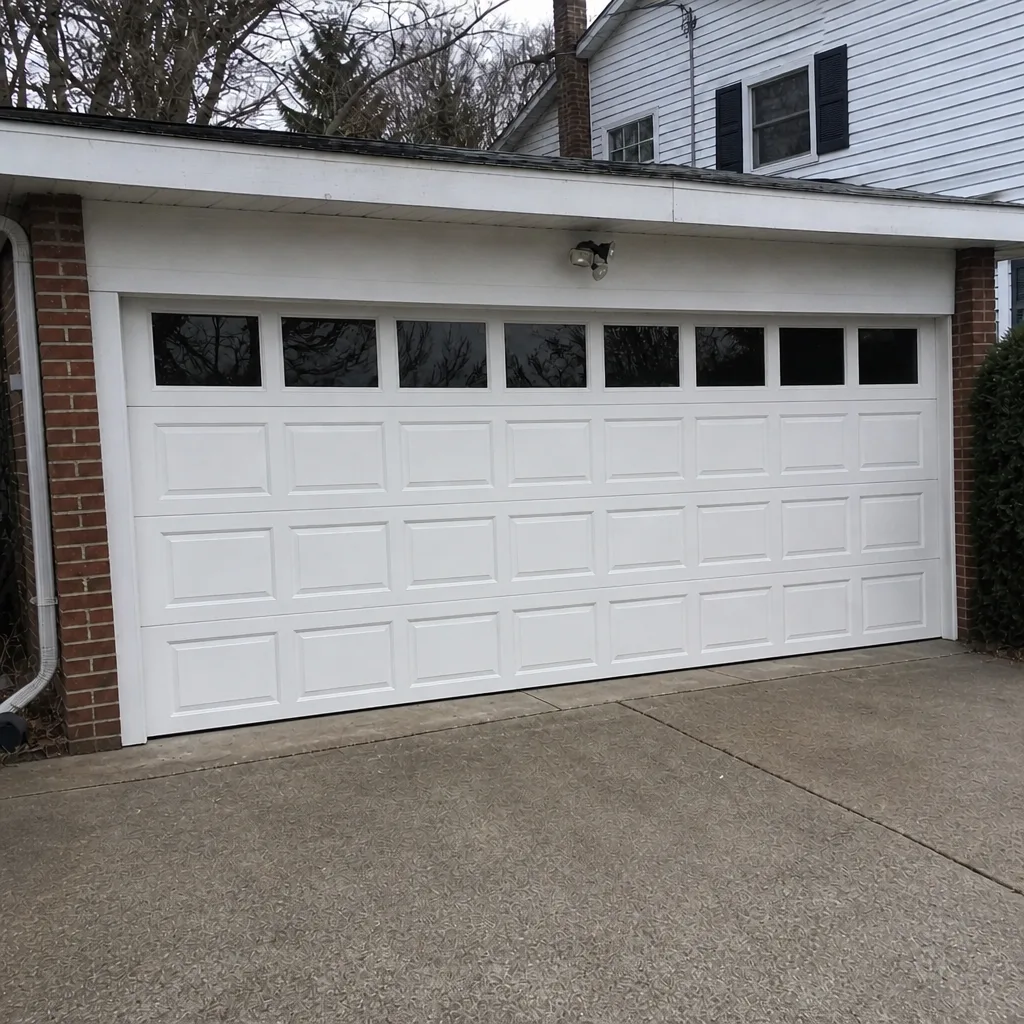 After
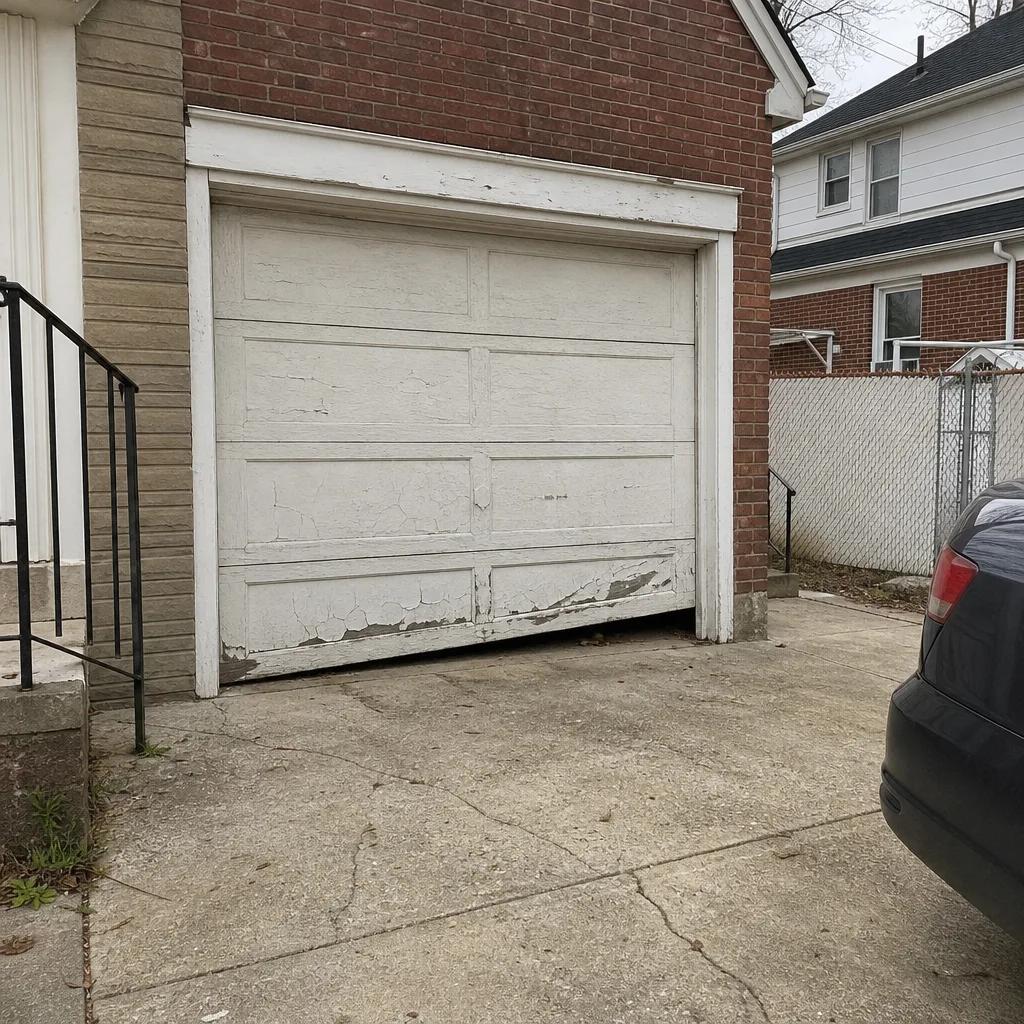 Before
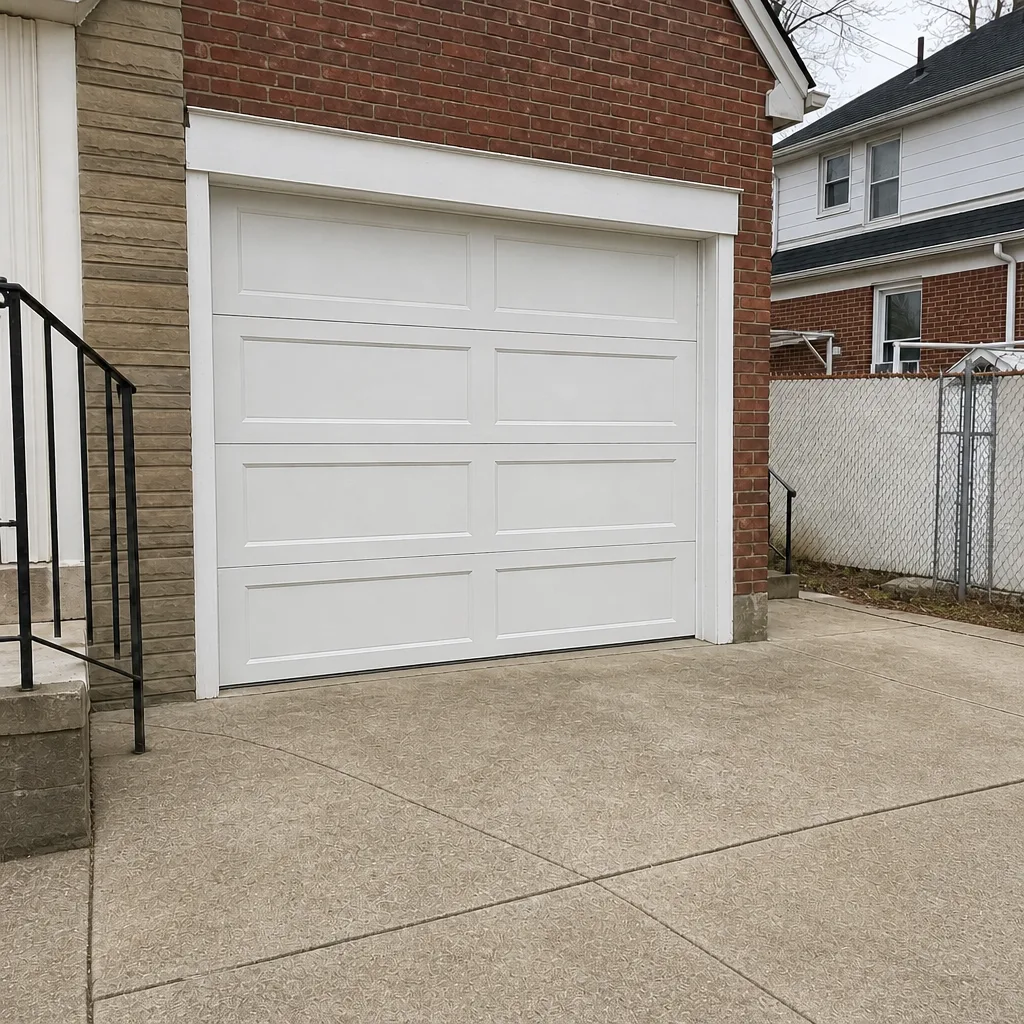 After
Common Mistakes to Avoid
- Treating maintenance as one annual service. Riverdale’s seasons create four different stress cycles on the door’s hardware. A single spring tune-up leaves the other three unaddressed, and the failure you catch is the one you happened to check for.
- Turning up the opener force to fix a binding door. A door that binds in July needs the door adjusted, not the opener pushed harder. Force increases hide the real problem and wear the opener’s gears down faster.
- Skipping the fall weatherstripping check. The first freeze makes diagnosis harder and weatherstripping failures more expensive. Fixing a bottom seal in October is a seal replacement. Fixing it in February after a winter of freezing and tearing is a bottom panel job.
- Ignoring rust on the springs because the door still works. In Riverdale’s river humidity, a rusted spring is a spring with a failure point. It works right up until it doesn’t, and it can fail without warning.
- Confusing summer track binding with a failing opener. If the door binds in the afternoon heat but runs fine in the morning, the opener is fine. The track is expanding. Replacing the opener doesn’t fix a thermal expansion problem.
- Using the wrong lubricant. General-purpose household oil doesn’t hold up against river humidity or cold. A door-specific lubricant that displaces moisture is the right call in this climate.
- Attempting spring or cable work yourself. This is the mistake that can end with an injury. High-tension springs and cables are not homeowner jobs, no matter how straightforward a video makes it look.
Frequently Asked Questions
Four times a year, once per season, because Riverdale’s weather creates four separate stress cycles rather than one. A winter lubrication and balance check, a spring post-thaw inspection, a summer check for thermal expansion binding, and a fall weatherstripping pass before the first freeze. Each one targets different hardware, so a single annual service leaves three seasons’ worth of failure modes unwatched. Call (855) 745-5903 if you want a professional inspection to establish a baseline for your door.
Because cold contracts the steel and stiffens the lubricant, which increases the friction the door meets on every cycle, and the spring that was balanced for warmer weather is now lifting a door that moves with more resistance. The balance between spring lift and door weight drifts out of tune even though the spring itself hasn’t failed. A balance test – releasing the door halfway and seeing if it holds – tells you whether the drift is significant. If it is, call (855) 745-5903 for an adjustment.
It accelerates corrosion on both, because steady humidity keeps a thin layer of moisture on steel surfaces most of the year. On springs, corrosion creates a stress point where the coil eventually fails. On hinges, it adds friction to every cycle, which the opener senses as increased force demand. Seasonal rust inspection in spring and fall is the best protection, plus a moisture-displacing door-specific lubricant rather than generic household oil. Call (855) 745-5903 for an inspection if you see rust on the springs.
No. Summer heat expands steel panels and tracks, which can create binding, and raising the force setting only masks the mechanical problem while wearing down the opener’s gears. The right fix is to test the door’s manual balance and check for track binding, then have the door adjusted. If the opener is a LiftMaster or Chamberlain and it’s showing a diagnostic code, that’s the opener asking for help, not for more force. Call (855) 745-5903 to have the door checked.
Yes, because the door is still behaving close to its summer baseline in cool fall weather, so any change is easier to spot and diagnose before the first freeze. Once cold stiffens the lubricant and contracts the metal, the same door is reporting its failure through several overlapping symptoms at once. Fall is also the season to resolve any lingering opener electronics issue before the cold weather makes those more fragile. Call (855) 745-5903 to schedule a fall inspection.
A bottom seal replacement is one of the safer seasonal tasks to do yourself, but if the seal has been failing through a winter, the bottom panel underneath may already be water-damaged, and replacing the panel is a different job. Check for rust or bubbling paint at the bottom of the door first. If the panel is affected, or if you’re not sure what type of seal your door uses, call (855) 745-5903 for a free estimate before you spend money on a seal that won’t solve the problem.
The Bottom Line
Riverdale’s seasons work on a garage door in four distinct ways, and the failures happen at the handoff between them – winter’s contraction meeting a spring that’s already weakened by the previous year’s humidity, summer’s expansion catching a door that was balanced in cooler weather. Treating maintenance as one annual event means the door goes into three of those transitions without any attention. Check in all four seasons, know what to look for, and call a professional for spring, cable and track work. Our technicians have up to 8 years of experience across the brands most Riverdale homes already have in the garage, from LiftMaster openers to Clopay and Amarr doors. Call (855) 745-5903 for a free estimate, and we’ll quote a written price before any work starts. We answer 24/7. Fast dispatch from 7am to 7pm, Sunday through Friday.
Written by the team at Riverdale Garage Door Repair Pros.