
Last updated November 21, 2026
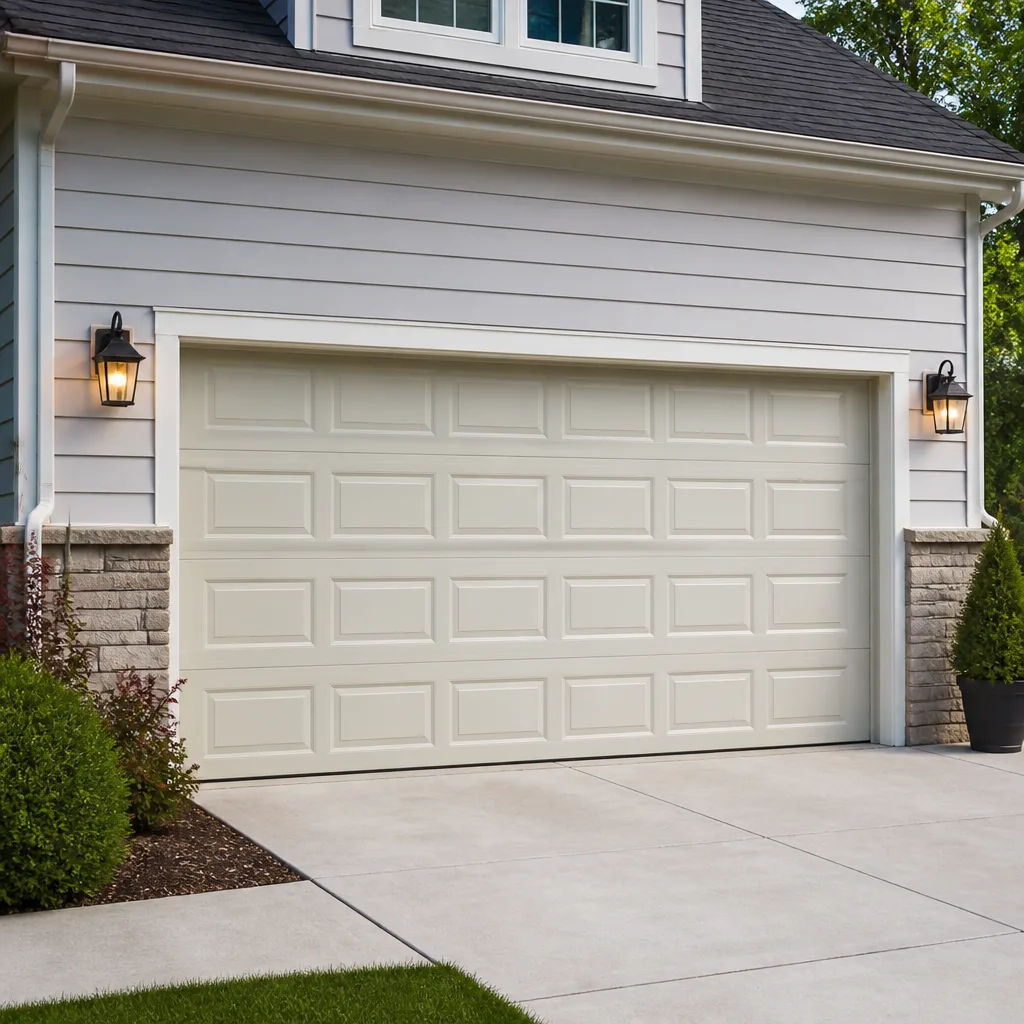 Raised-panel steel
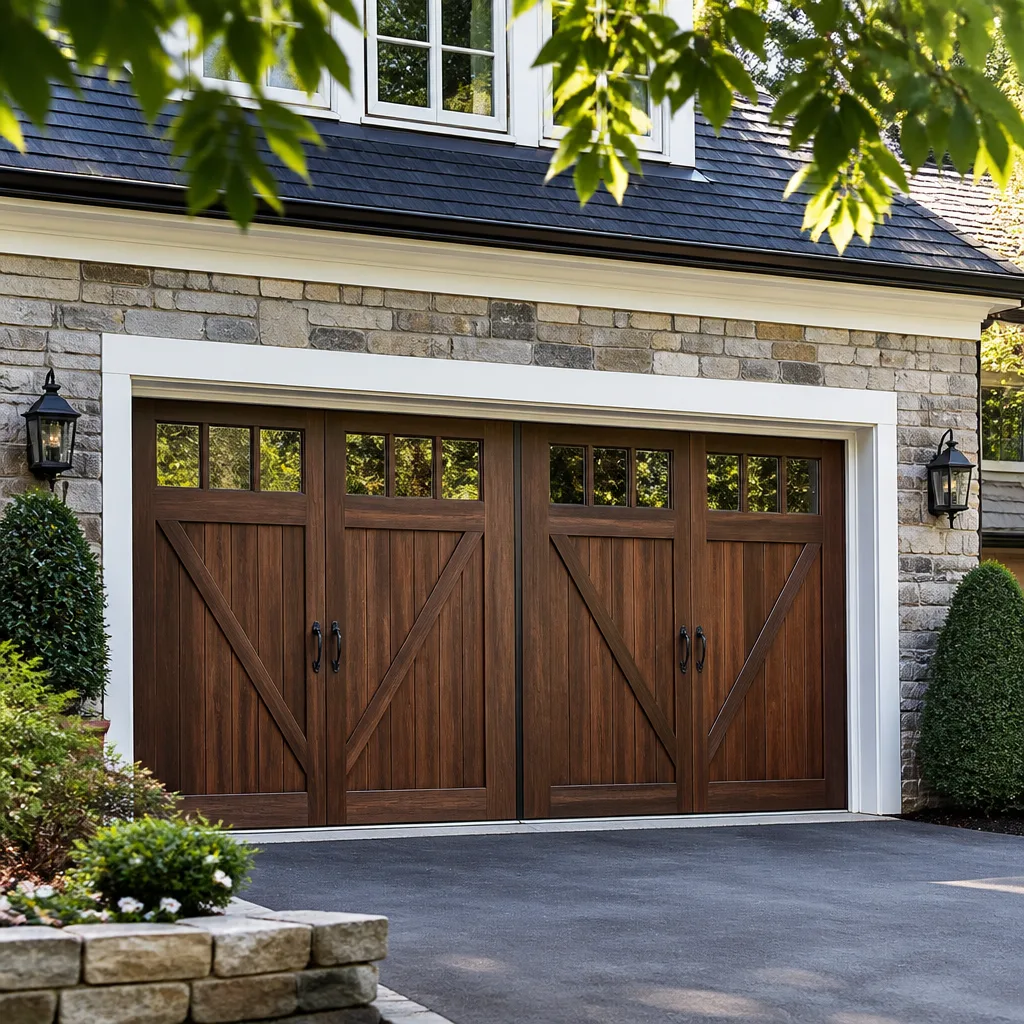 Carriage house
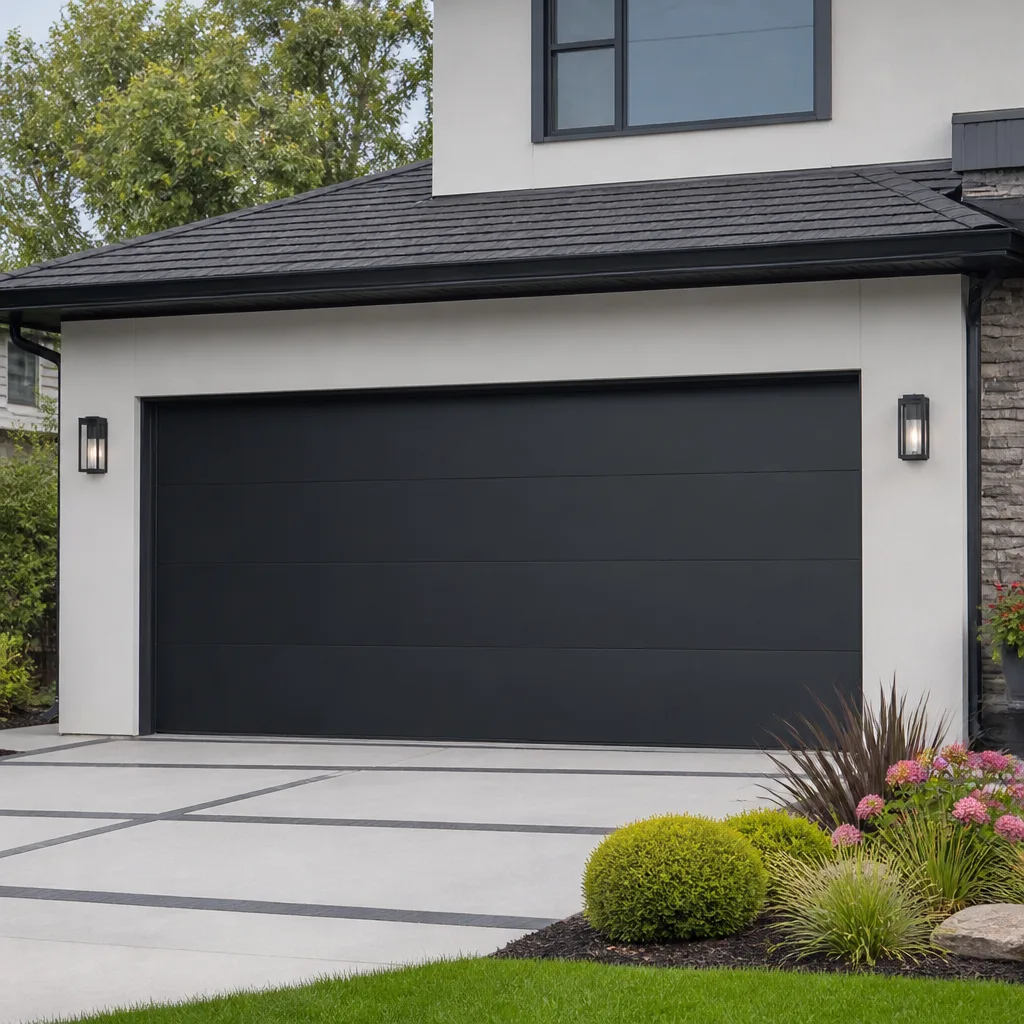 Modern flush
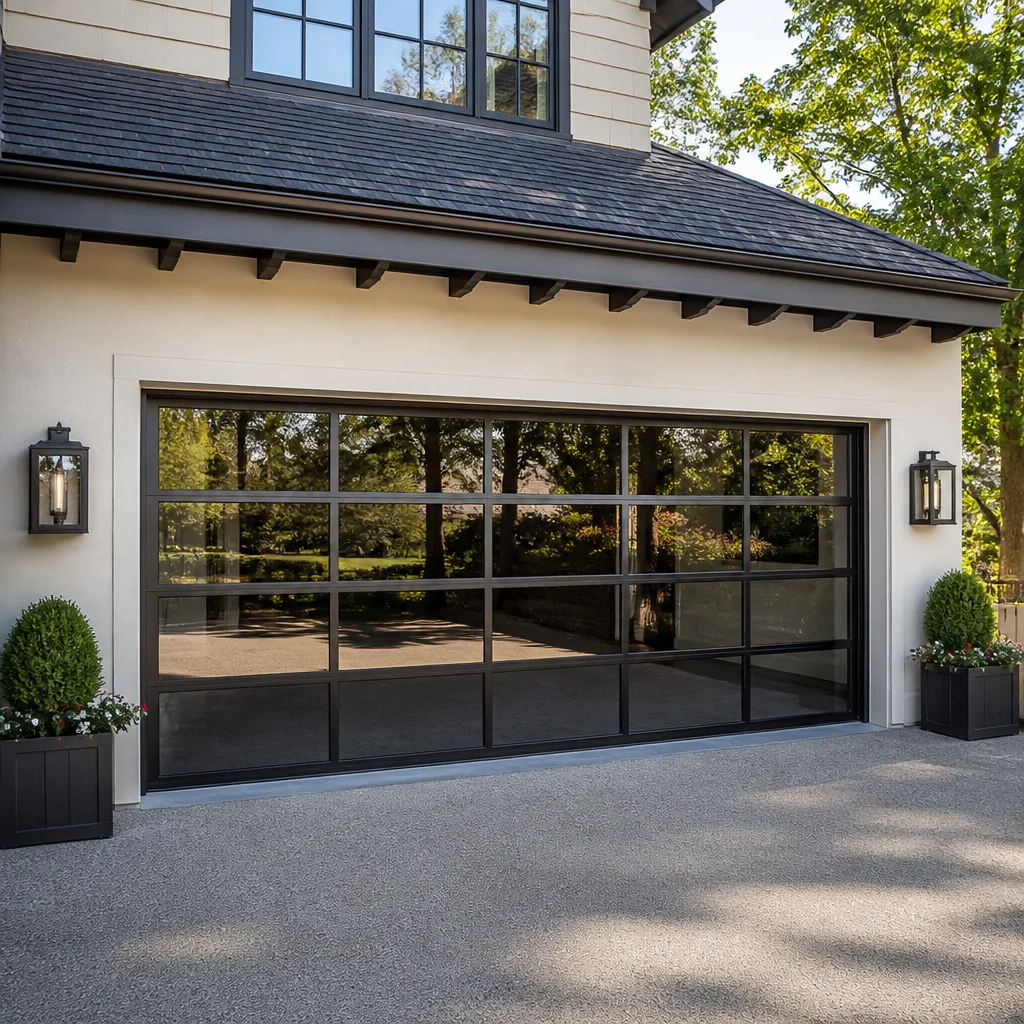 Full-view glass
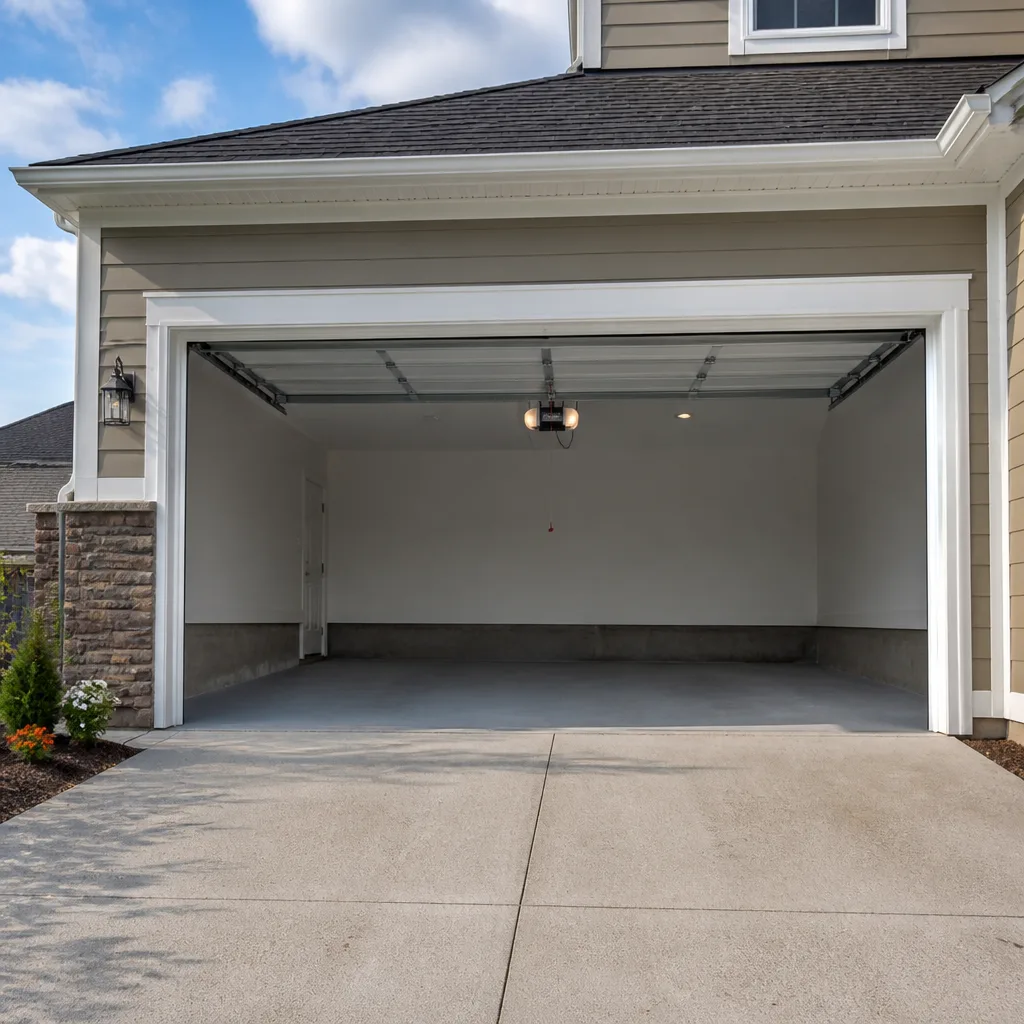 LiftMaster openers
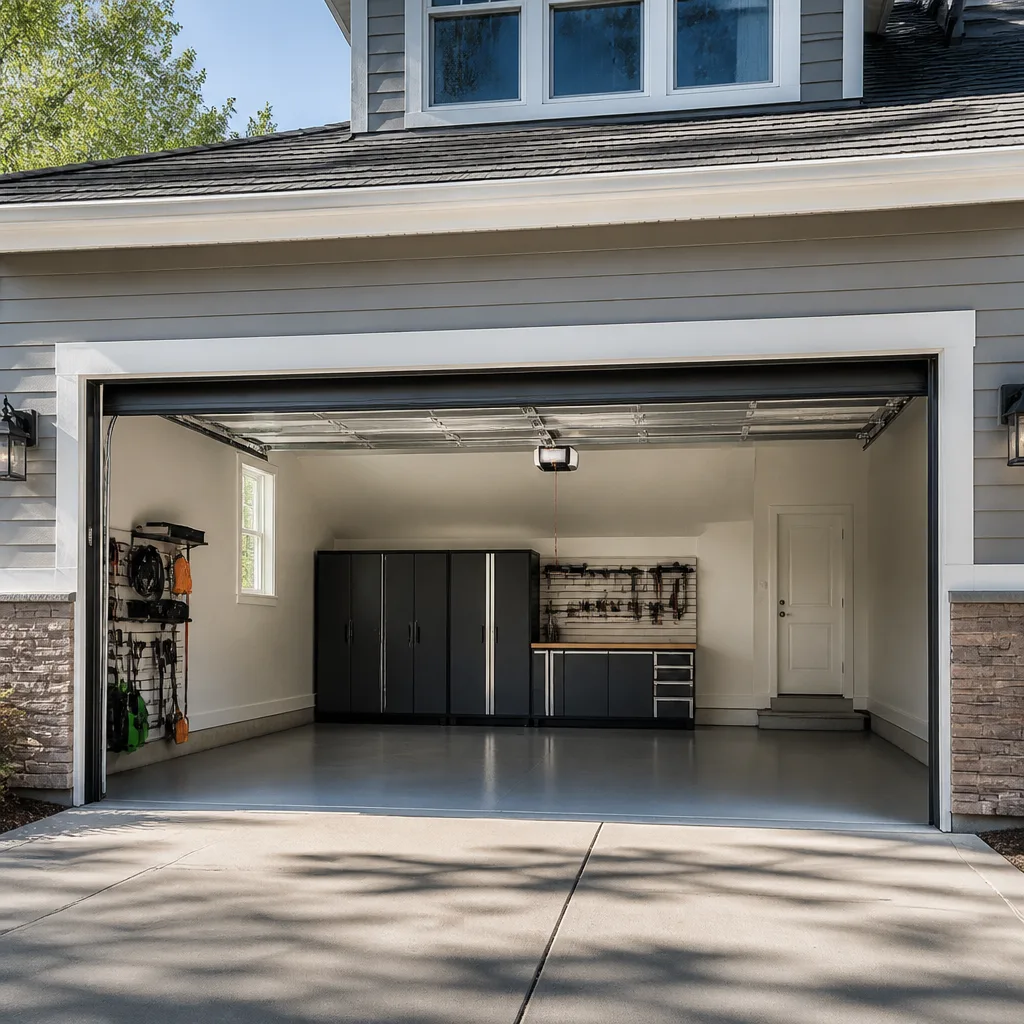 Chamberlain openers
Full 25-point door and opener safety check with every visit - springs, cables, rollers, tracks, and your LiftMaster or Chamberlain opener included
You get a price before we start. It does not change when the pro arrives.
Get your free estimateDIY vs Professional Garage Door: The Riverdale Homeowner’s Decision Guide
Most homeowners approach garage door repair as a skill question: am I handy enough to do this? That’s the wrong frame. The right frame is risk. A torsion spring holds enough stored energy that a mistake releases it all at once, and the penalty isn’t a bent bracket or a wasted afternoon. It’s a hand, a wrist, sometimes worse. This guide draws the line precisely, task by task, between the work you can safely do in your own garage in Riverdale and the work where a professional isn’t a convenience but a requirement. By the end, you’ll know exactly which jobs belong to you and which belong to a trained technician.
Quick Answer
Some garage door work is genuinely safe to do yourself: lubrication, weather seal replacement, sensor alignment, remote programming and minor hardware tightening. Spring replacement, cable tensioning and track realignment are not, because a single slip can release enough stored force to cause serious injury. Anything involving high-tension springs or torsion cables should go to a trained technician, and so should any job that needs a licensed contractor’s signature for a permit here in Riverdale.
Styles & brands we work with
- Raised-panel steel
- Carriage house
- Modern flush
- Full-view glass
- LiftMaster openers
- Chamberlain openers
Table of Contents
- Why This Is a Risk Question, Not a Skill Question
- The Genuinely DIY-Safe Tasks
- The Professional-Only Tasks
- What a Tutorial Doesn’t Teach You About Springs
- Permits and the Riverdale Compliance Question
- The Honest Cost Comparison
- How to Prep Your Own Garage Before a Pro Arrives
- Openers, Brands and the Programming Jobs You Can Handle
- When to Call a Professional
- Frequently Asked Questions
Why This Is a Risk Question, Not a Skill Question
A torsion spring on a typical residential door stores roughly 100 foot-pounds of energy when it’s wound. That number isn’t a talking point pulled from a safety pamphlet. It’s the mechanical reality that decides where the DIY line sits. Release that energy the wrong way and it snaps into whatever is in its path. The energy has to go somewhere, and a spring that lets go under tension doesn’t ask who’s standing there.
Compare that to a weather seal. If you install it crooked, water gets in and you redo it. The downside is a re-do. That asymmetry, between cheap mistakes and dangerous ones, is the whole decision framework. It’s not about whether you’re capable. Plenty of capable people get hurt because capability isn’t the same thing as knowing how a specific mechanism behaves under load.
Extension springs, the kind that run alongside the tracks on older doors, fail differently but carry the same warning. Torsion springs sit above the door and wind along a shaft. Both store energy. Both require a technician who has handled hundreds of them and knows when a spring looks ready to fail before it does.
In Riverdale, we see the full mix: older doors with extension springs still hanging on, newer installs with torsion systems, and openers from Craftsman, LiftMaster and Chamberlain that are a decade apart in design. The mechanism changes the risk. The principle doesn’t. Springs and cables belong to the trade. If a door looks crooked, if a spring is broken, if a cable is slack, that’s the point to stop and call.
Our technicians have up to 8 years of experience, and every one of them treats spring work as a hands-off-for-homeowners category. That’s not gatekeeping. It’s the reason spring repair is its own named specialty in the trade and not something folded into a general handyman call.
The Genuinely DIY-Safe Tasks
These jobs you can do yourself with basic tools and a reasonable amount of care. None of them involve stored spring tension, and a mistake costs you time, not a trip to urgent care.
Lubrication. Hinges, rollers and the track benefit from a garage-door-rated lubricant a couple of times a year. Wipe the track clean first, then apply sparingly. Over-lubricating attracts grit and does more harm than good. This is the single best habit for extending the life of any door in Riverdale.
Weather seal replacement. The rubber seal along the bottom of the door takes the most abuse from temperature swings and regular use. If you can see daylight under the door or feel a draft, the seal is worn. It slides out of its channel and a new one slides in. This also matters for keeping the space below warm in colder months, which weather stripping on the frame can add to.
Sensor alignment. The two small photo-eye sensors near the floor should face each other and stay clear of obstruction. If the door reverses for no reason, a misaligned or dirty sensor is usually the cause. Wipe the lenses, check the indicator lights, and adjust the brackets until they line up.
Remote and keypad programming. Most openers from LiftMaster, Chamberlain and Craftsman have a learn button on the motor housing and a straightforward pairing process. If you’ve lost a remote or added a car, the manual walks you through it in a few minutes.
Minor hardware. Tightening a loose bracket, replacing a worn roller, wiping down panels. Small fasteners and simple swaps are fine work for a homeowner with a socket set.
- Lubricating hinges, rollers and tracks – safe
- Replacing the bottom weather seal – safe
- Cleaning and aligning safety sensors – safe
- Programming remotes and keypads – safe
- Tightening loose brackets and swapping rollers – safe
- Adjusting opener travel limits – usually safe on most models
The Professional-Only Tasks
This is the list that matters most. Every item here involves components under load or precision that has to hold under repeated cycles. A mistake on any of them can injure you or leave the door in a state where it can drop, jam or come off its tracks.
Spring replacement and winding. Whether it’s a torsion spring above the door or an extension spring along the track, replacing either means working with stored energy. Winding a torsion spring requires the right bars, the right number of turns and a sense of torque that comes from repetition. This is the single most dangerous repair in the trade and the one where the gap between watching and doing is widest.
Cable tensioning and replacement. Cables run under tension alongside the springs. A cable that slips or snaps can whip across the garage. Replacing one means releasing tension safely first, which is spring work by another name.
Track realignment. Bent or out-of-line tracks pull the door off its rollers. Straightening them requires knowing how much adjustment the door’s geometry will tolerate without creating a new bind point. A door that goes back on track wrong will wear out its rollers and opener faster.
Panel replacement on a loaded door. Swapping a damaged panel looks simple until the door’s balance is thrown off and the springs no longer carry the weight correctly. Balance adjustments are professional work.
Opener motor and gear replacement. Programming a remote is fine. Getting inside the motor housing to replace a stripped gear or a failed logic board is not. Those parts are matched to the opener’s design, and a mistake can burn out the unit.
Full counterbalance adjustment. When a door feels heavy or won’t stay open, the spring tension needs adjusting. That adjustment is spring work. This is exactly the point where a homeowner should put the tools down and call. Our garage door repair service handles counterbalance adjustment and spring work as routine jobs.
What a Tutorial Doesn’t Teach You About Springs
A good tutorial can show you the shape of a spring replacement: where the winding bars go, which direction the spring winds, how the door should feel when it’s balanced. What it can’t show you is torque feel. That sense of when a spring is at the right tension, when it’s fighting back, when the bars are seated properly, comes from doing it under supervision until it’s second nature.
The other gap is tooling. Spring winding requires solid steel bars of the correct diameter, and they have to seat fully in the spring’s winding cone before any force is applied. A bar that’s the wrong size or not fully seated can slip out under load. The tutorial shows the motion, not the consequences of getting the fit wrong.
There’s also the matter of knowing when a spring is about to fail. Our technicians read wear patterns, look for a gap in the coil, check for uneven tension and listen for the sound a stressed spring makes before it lets go. That kind of diagnostic judgment doesn’t transfer through a screen. It’s what turns spring work into a specialty instead of a chore.
What a tutorial prepares you for:
- Understanding the vocabulary of spring types and door balance
- Recognizing when a spring is broken versus when a door is simply binding
- Knowing which repairs to schedule and which to attempt
- Explaining the problem clearly when you call for help
What it doesn’t prepare you for:
- Torque feel and knowing when a spring is fully wound
- Handling a snap-back if a bar slips under load
- Diagnosing the subtle wear that precedes a failure
- Working safely around cables that run parallel to the springs
The line between understanding and doing is the exact line where DIY becomes dangerous. Our garage door opener repair service exists because the electronic side has its own complexity, but the mechanical side has a much shorter leash for homeowners.
Permits and the Riverdale Compliance Question
Here’s the part most DIY guides skip. In New York City, certain garage door work, particularly structural changes, track relocation, header work or anything that touches the building envelope, falls under permit requirements. When a permit is required for that class of work, it often needs a licensed contractor’s involvement to file. That means DIY on those specific jobs isn’t just risky. It’s non-compliant, and it can create problems when you sell the home or when an inspector looks at the finished work.
A straight spring replacement or a track adjustment usually doesn’t need a permit. A full door replacement, a header change, a structural opening adjustment or work that alters how the door integrates with the building’s frame often does. The exact category depends on the scope of the job, and the place to confirm is your city’s building department. Ask them directly, before you start, what your specific project requires.
Riverdale sits in the northern Bronx, and the housing stock here ranges from older homes with masonry garages to postwar houses with frame construction. That range matters, because the same repair can be routine in one structure and structural in another. A technician who works in Riverdale regularly comes to know that range without needing to guess. If a job needs a licensed contractor’s signature, that signature has to come from someone licensed to give it, and that’s a hard stop for DIY.
Knowing where the line falls protects you from two expensive problems: a job that fails inspection and a job that damages the structure around the door. If you’re unsure which category your project lands in, ask before you lift a tool.
The Honest Cost Comparison
The cost question deserves a straight answer, not a sales pitch. Some DIY work saves real money. Some DIY work ends up costing more than the original quote because a mistake creates a second, larger repair. That’s the honest split, and it’s worth knowing where each category lives.
Where DIY genuinely saves money:
- Lubrication, cleaning and sensor alignment: nearly free and repeatable
- Weather seal replacement: a low-cost part and a short job
- Remote and keypad programming: no parts, no tools, just the manual
- A loose bracket or a worn roller: small parts and a few minutes
Where DIY can cost more than a pro quote:
- Spring work: A dropped door or a failed spring under load can damage panels, tracks and the opener. The repair becomes a multi-part job instead of a single spring swap.
- Cable work: A slipped cable can bend the track and throw the door off balance, turning one repair into several.
- Track realignment: A bad adjustment wears rollers and strains the opener, and the original quote gets replaced by a larger one.
- Panel replacement on a loaded door: If the balance is off afterward, the springs and opener both take a beating.
Every estimate we give is free, and it’s set in writing before any work begins, so the price you agree to is the price you pay. That matters here. The gap between a professional quote and a DIY catastrophe usually isn’t the cost of the original repair. It’s the cost of the original repair plus whatever the mistake broke.
If you’re weighing the decision, the value of an estimate is that it gives you a real number to compare against your own risk. Call us, get the number, and decide with a clear picture. Our garage door installation work is scheduled and measured, so a new-door project is a different conversation from a repair, but the pricing principle holds: written quote, agreed price, no surprises.
How to Prep Your Own Garage Before a Pro Arrives
This is where DIY and professional work can genuinely cooperate. The more of the low-risk task the homeowner takes on, the less billable time the technician spends on setup and cleanup. It’s not a shortcut to lower prices through some hidden discount. It’s just how a well-prepared job runs faster than a job that starts with clutter.
- Clear the floor and the path. Move cars, bikes, ladders and anything stored near the door. A technician needs room to work, and a clear floor is a safer floor.
- Note what’s happening and when. Does the door reverse on the way down? Grind at one spot? Only act up in the cold? Write it down. A clear symptom saves diagnostic time.
- Note the brand and model. LiftMaster and Chamberlain openers have a label on the motor housing. A Craftsman label will be similar. Knowing the model before the visit shortens the parts conversation.
- Check the sensors and clean the lenses. A lot of “the door won’t close” calls are sensor issues. Cleaning them first either solves the problem or rules it out.
- Lubricate the visible moving parts. Hinges, rollers and the track surface, done before the visit, mean the technician spends time on the actual repair.
- Take a photo of any damage. A cracked panel, a bent track, a snapped spring. Photos help the technician arrive prepared.
None of this replaces the professional work. It shortens it. In our experience, a prepared garage turns a longer diagnostic into a faster repair, and that’s time and money saved without cutting a single corner.
Openers, Brands and the Programming Jobs You Can Handle
The opener is where DIY has more room than the mechanical side. Most residential openers are designed for homeowner maintenance of the basics: pairing remotes, setting travel limits, adjusting force settings on some models, checking the safety reversal. The complexity lives inside the housing, and that’s where the line is.
What you can do yourself on most openers:
- Pair a new remote or car remote
- Program a keypad entry code
- Clear and re-pair the memory after a move
- Adjust the travel limit on most models, using the manual for your specific unit
- Clean and align the safety sensors
What belongs to a technician:
- Replacing a worn gear or sprocket
- Replacing the logic board or motor
- Diagnosing a unit that trips the breaker or smells hot
- Replacing a stripped chain or belt drive
- Converting between older opener designs and a modern unit with smart controls
We work on the brand already in your garage. That’s across Craftsman, LiftMaster, Chamberlain, Raynor and the rest of the residential names we see in Riverdale homes. Brand familiarity matters because the design language differs: how the learn button behaves, where the safety reverse adjustment lives, which parts are shared and which are model-specific. If you’re adding a smart control or replacing an older opener, that’s an installation-schedule conversation rather than a same-day repair, so a written quote up front is the right way to start.
Common Mistakes to Avoid
- Assuming a YouTube video is the same as experience. Watching a spring replacement and doing one are two different skills. The video shows the motion; it can’t teach you what a spring feels like under load or when the bars are properly seated.
- Ignoring a bent track because the door still opens. A door that runs on a bent track grinds its rollers and strains the opener. The repair that starts as a track adjustment becomes a roller and opener repair if it’s ignored.
- Over-lubricating the track. A thin coat on the moving parts is what you want. Slathering on lubricant attracts grit and dirt, which wears parts faster in Riverdale’s variable weather.
- Skipping the permit question. On any job that touches the header, the structure or the door’s integration with the building, a permit may be required. Check with the city’s building department before the project, not after.
- Replacing one spring in a pair. Matched springs wear at the same rate. Replacing one and leaving the other usually means the older spring fails soon after, so a pair is usually the right call. That’s a professional conversation.
- Ignoring the symptoms of a failing spring. A door that feels heavy, won’t stay open or has a visible gap in the coil is telling you the spring is done. Keep operating it and the failure mode gets worse.
- Standing under a door mid-repair. Never work under a door that’s being repaired or that’s behaving unpredictably. If it’s not staying up on its own, it belongs to a professional.
See the difference
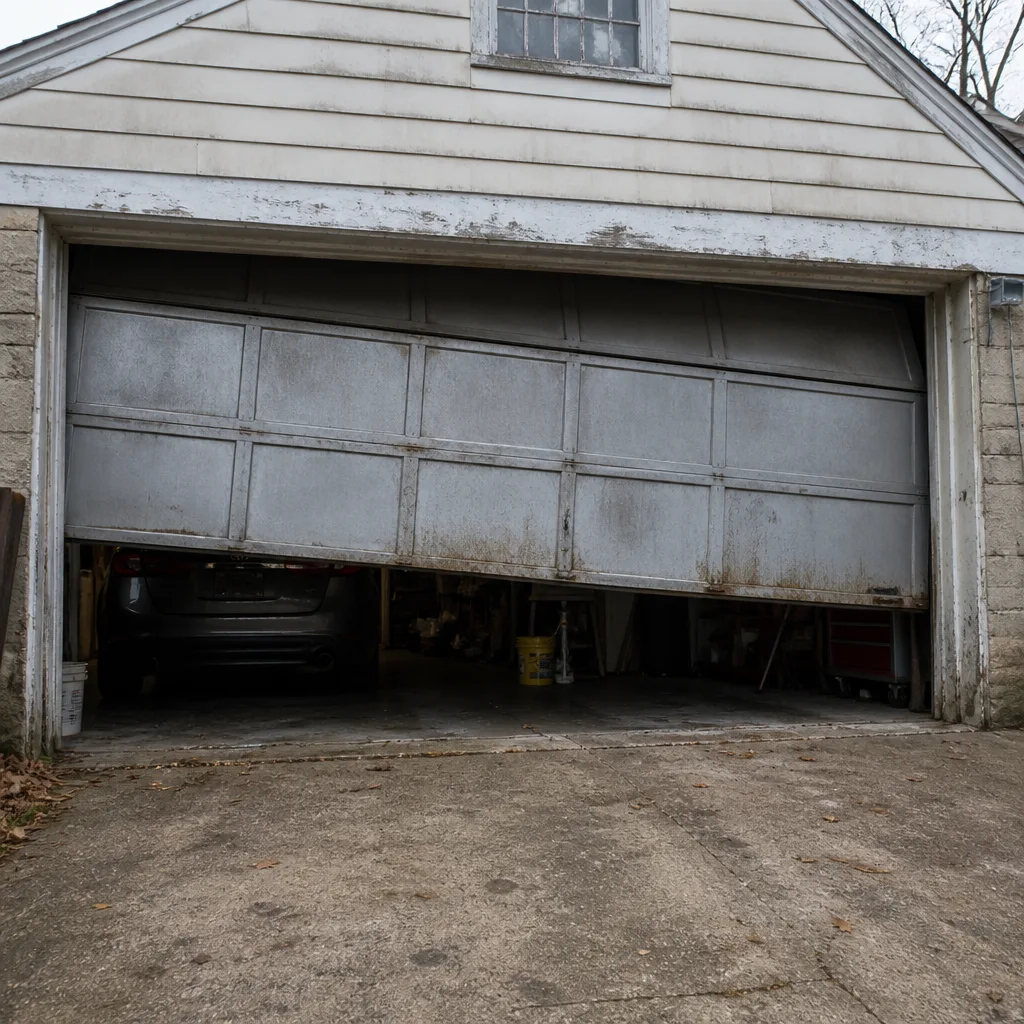 Before
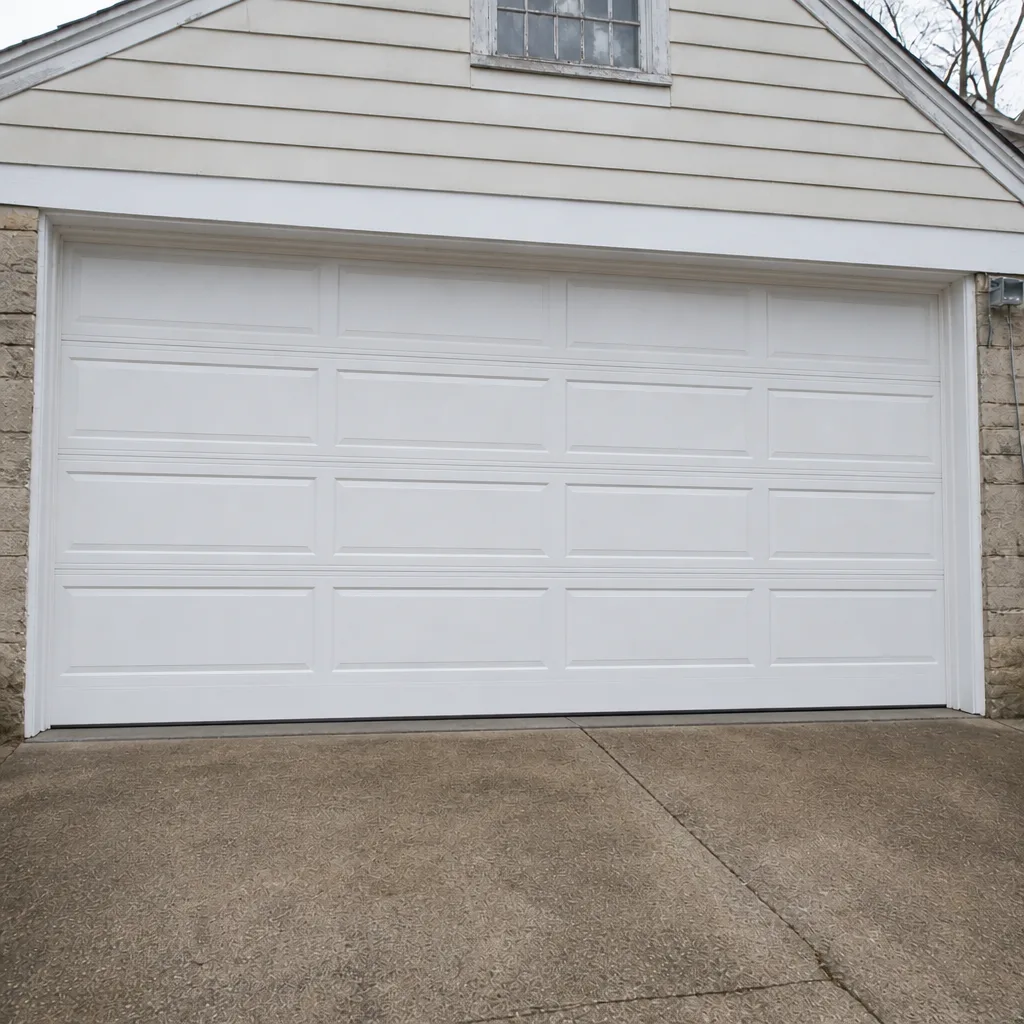 After
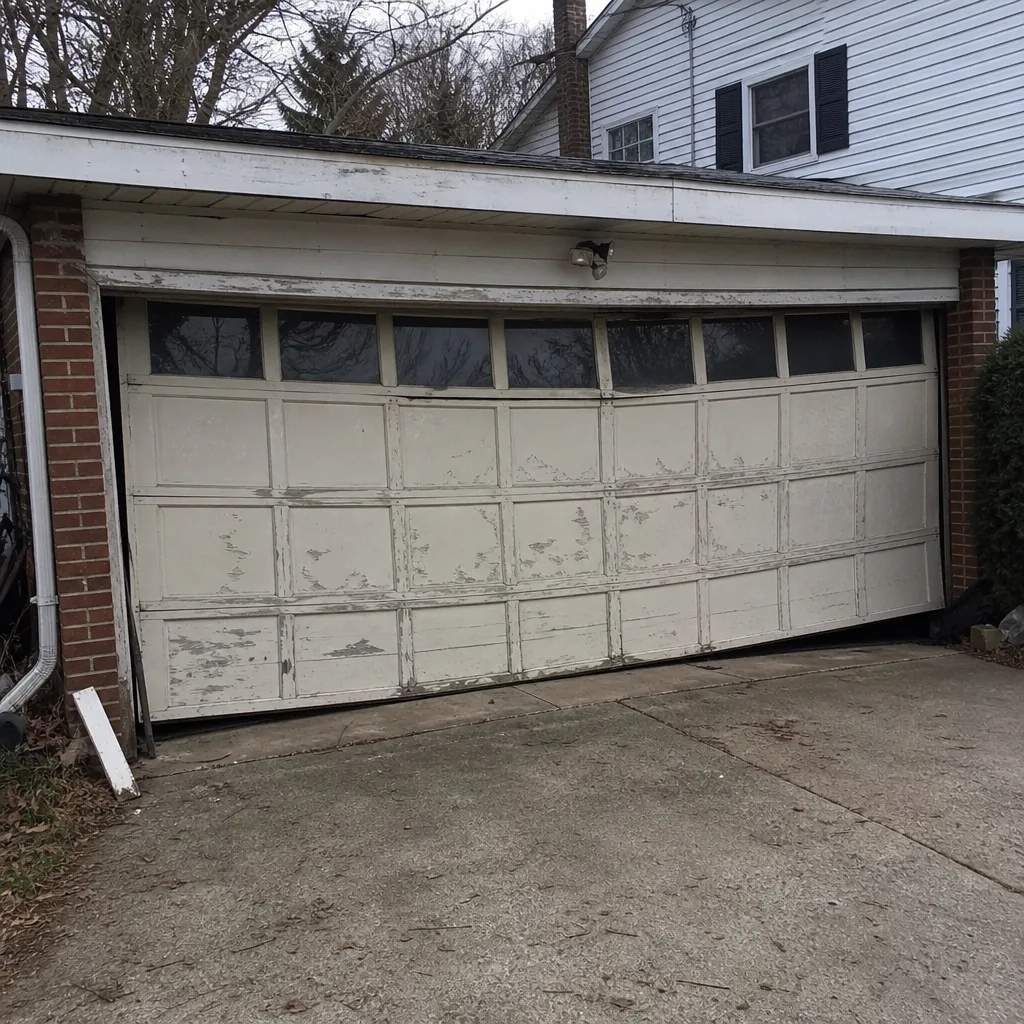 Before
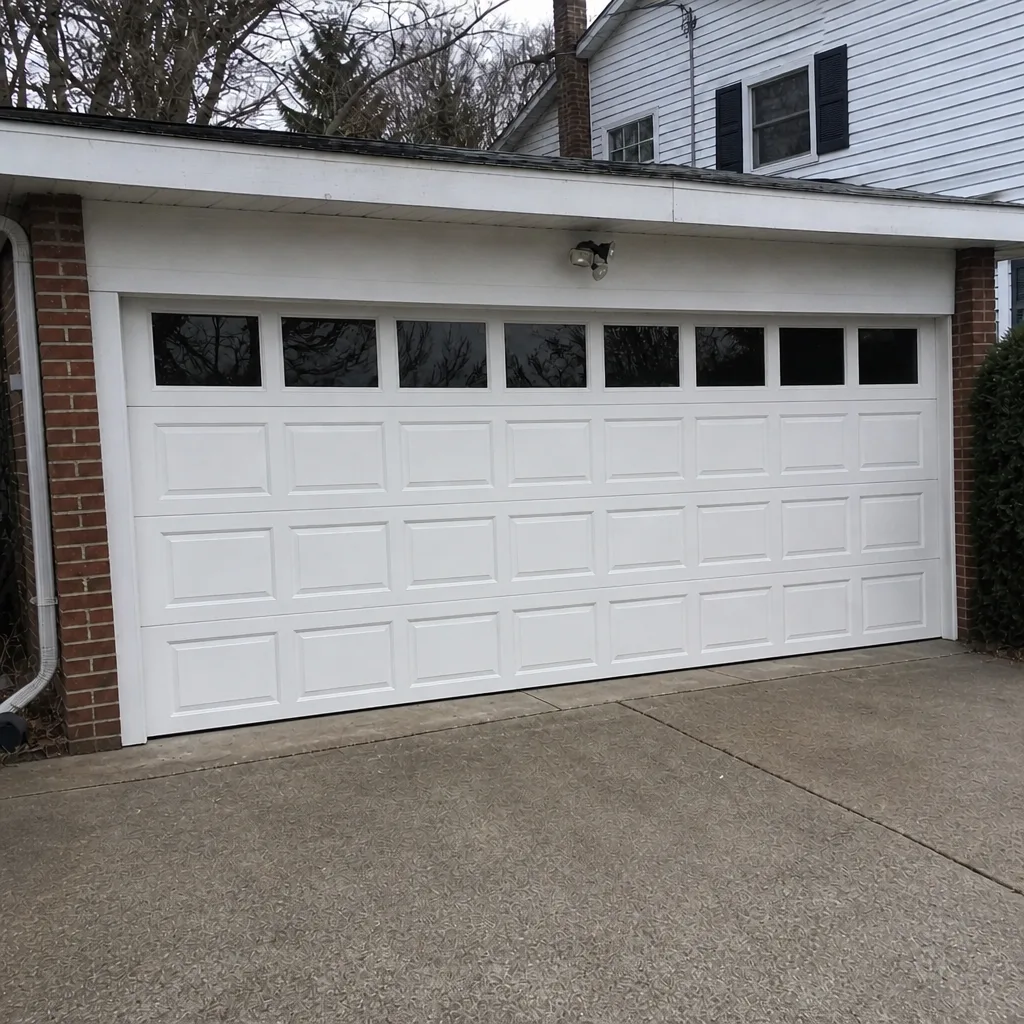 After
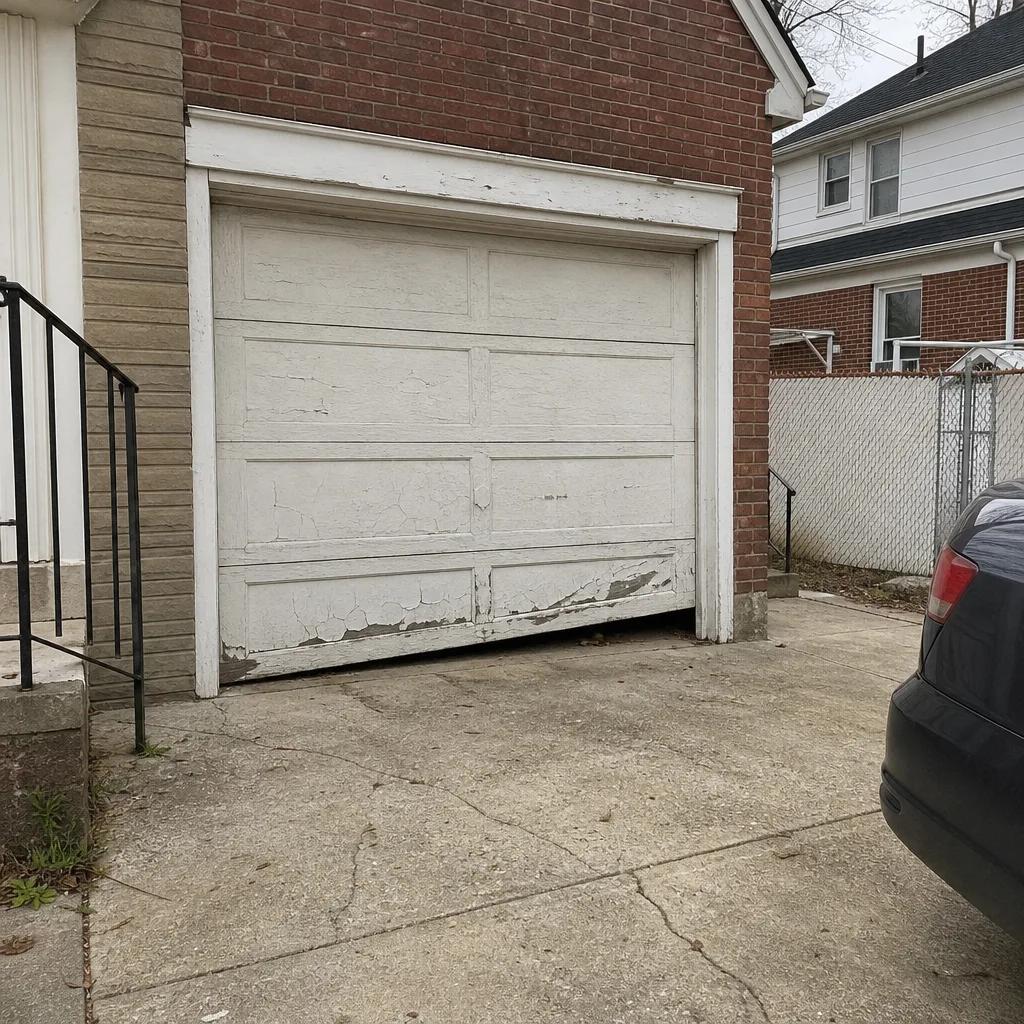 Before
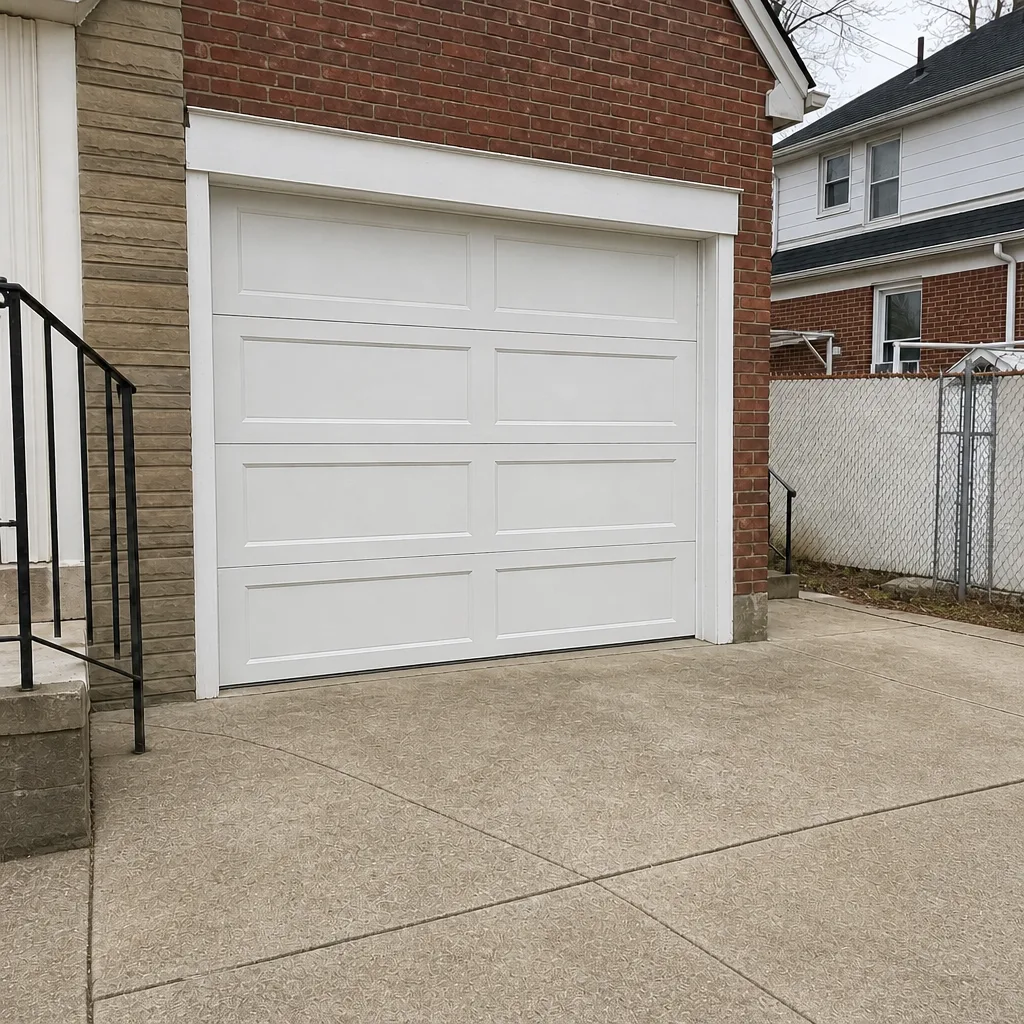 After
When to Call a Professional
Call a professional when any of these are true: a spring is broken or visibly worn, the door feels heavy or won’t stay open, a cable is slack or frayed, the door is off its tracks, a panel is damaged and needs swapping, the opener is grinding or won’t respond, or the job needs a permit that requires a licensed contractor’s signature. Those aren’t judgments about your skill. They’re the categories where the downside of a mistake is serious injury or a much larger repair.
For everything else, the safe tasks are yours. Clean, lubricate, align sensors, program remotes, replace the weather seal and clear the floor before a visit. You’ll save real time and keep your garage in better shape between visits. Riverdale Garage Door Repair Pros offers free estimates in Riverdale. Call (855) 745-5903. We answer 24/7. Fast dispatch from 7am to 7pm, Sunday through Friday.
Frequently Asked Questions
No, spring replacement is the single repair homeowners should never attempt without training. A torsion spring holds roughly 100 foot-pounds of stored energy, and a slip can cause serious injury. Spring repair is a technician’s job, and it’s why we treat it as a specialty. Call (855) 745-5903 for an exact quote. Estimates are free.
A spring repair is priced per spring, and a matched pair that’s replaced together is priced accordingly. The written estimate sets the final price, and it’s agreed before any work starts, so you’ll know the number in advance. Call (855) 745-5903 for an exact quote. Estimates are free.
No, track realignment belongs to a professional. A bad adjustment bends rollers, strains the opener and can throw a loaded door off its balance. It’s one of those repairs where the do-over costs more than the original quote. Call us and get a written estimate before you reach for a wrench.
It depends on the scope of the job, and the place to confirm is your city’s building department. A simple spring or track repair usually doesn’t need one, but structural or full-replacement work often does, and a permit may require a licensed contractor’s signature to file. Ask before you start.
Yes, remote and keypad programming is genuinely DIY-safe on most LiftMaster, Chamberlain and Craftsman openers. Find the learn button on the motor housing and follow the manual for your model. If the unit won’t accept the remote or the opener is grinding, that’s a call for a technician.
Yes, if the job involves springs, cables, track realignment or a door that’s off balance. The free estimate gives you a real number to compare against the risk, and the price is set in writing before work begins. For small tasks like lubrication, sensors and seals, go ahead and do them yourself. Call (855) 745-5903 for a free estimate on the rest.
The Bottom Line
The DIY vs professional question for garage doors isn’t about your skill level. It’s about which specific jobs carry a downside that outweighs the savings. Lubrication, seals, sensors, remotes and minor hardware are yours, and doing them well keeps your door in shape. Springs, cables, track realignment and counterbalance work are a professional’s job, because the stored energy involved makes the penalty for a mistake severe. In Riverdale, the permit rules add another layer: some work needs a licensed contractor to file. When in doubt, call us at Riverdale Garage Door Repair Pros, get a free written estimate, and decide with the facts in hand.
If you’d like to start with a general look at who we are and how we work, the team at Riverdale Garage Door Repair Pros is the place to begin. Our technicians have up to 8 years of experience, and we handle repair, spring work, garage door opener repair and new installation under one specialty. Garage doors are all we do. Call (855) 745-5903 for a free estimate. We answer 24/7. Fast dispatch from 7am to 7pm, Sunday through Friday.
Written by the team at Riverdale Garage Door Repair Pros.