
Last updated November 21, 2026
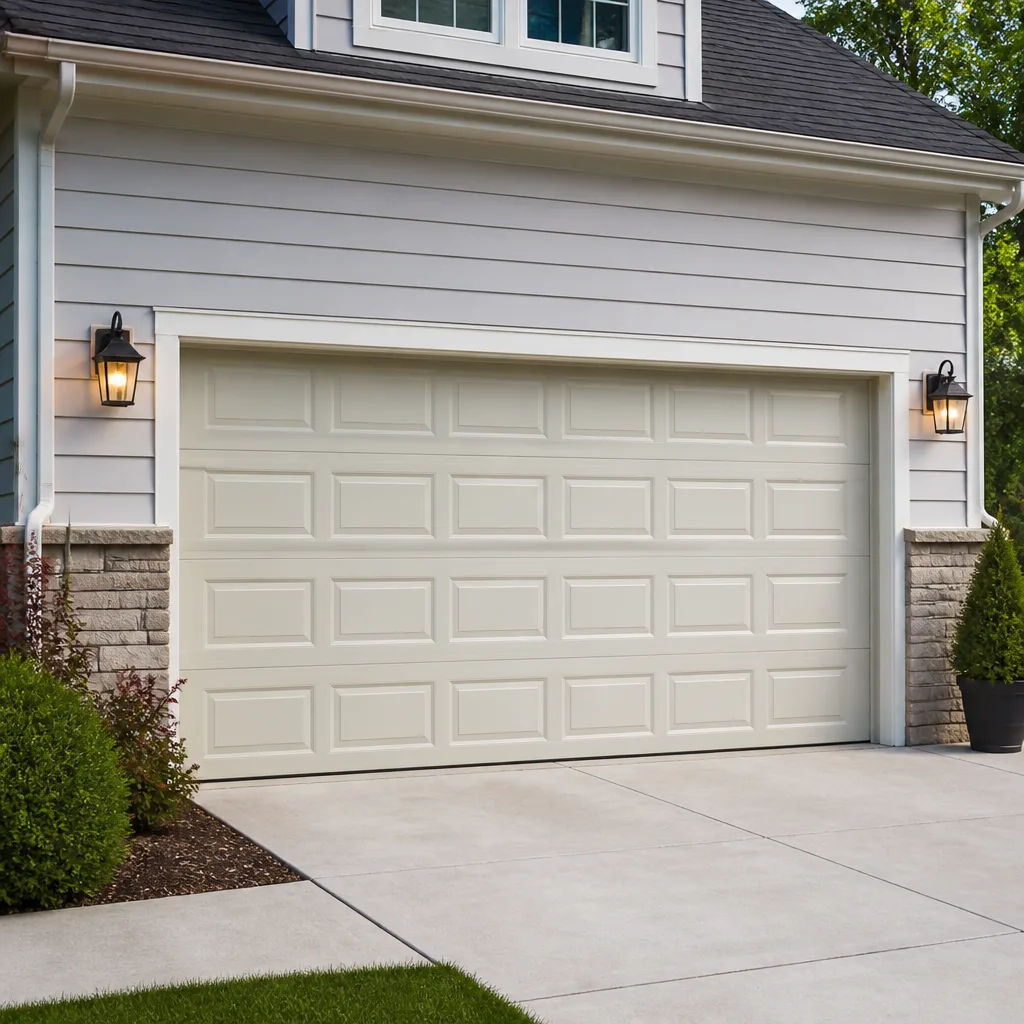 Raised-panel steel
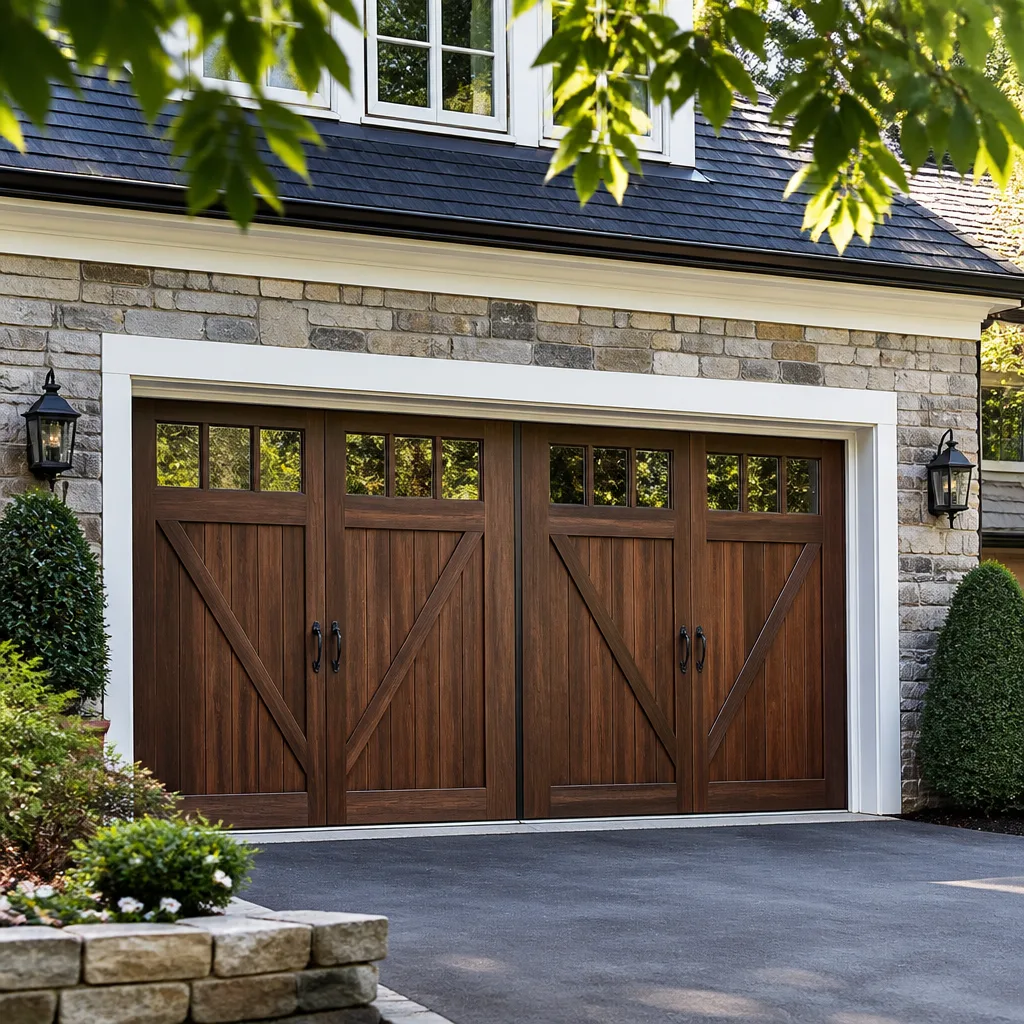 Carriage house
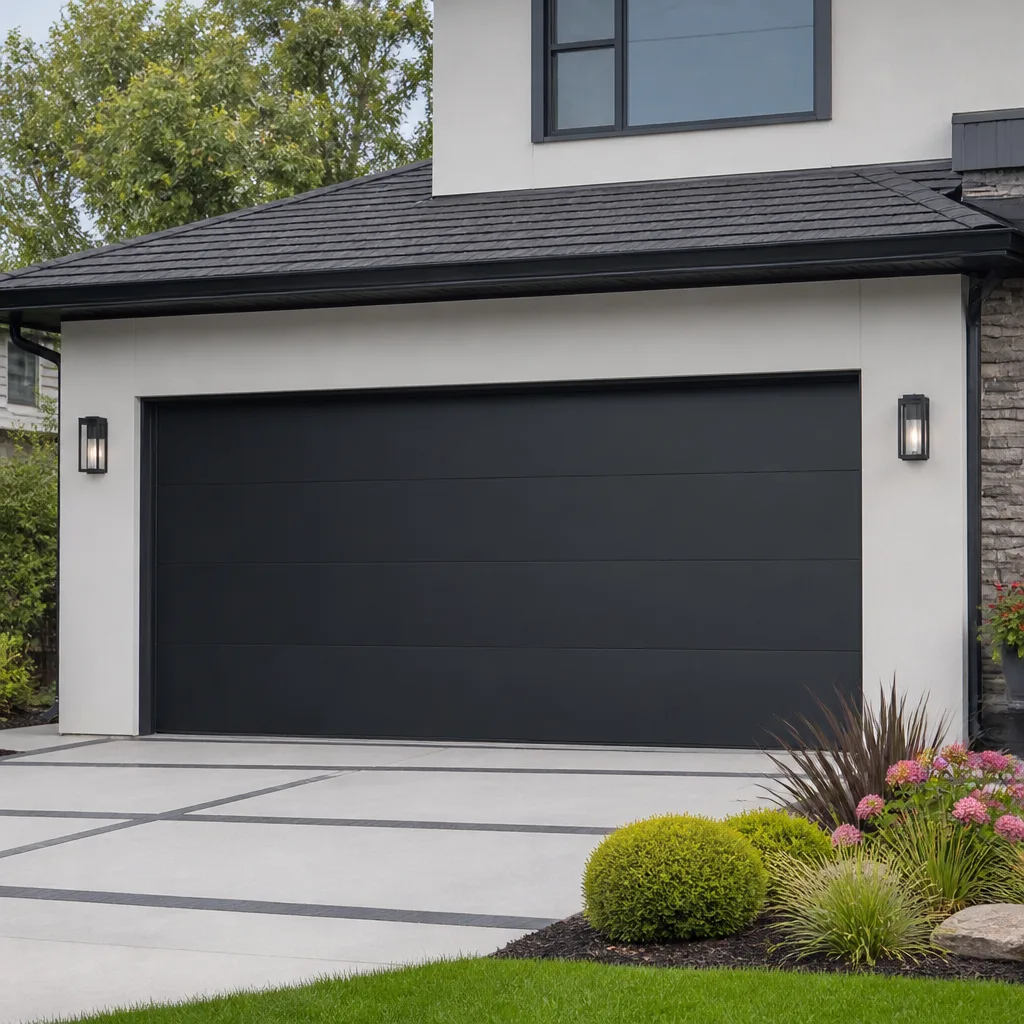 Modern flush
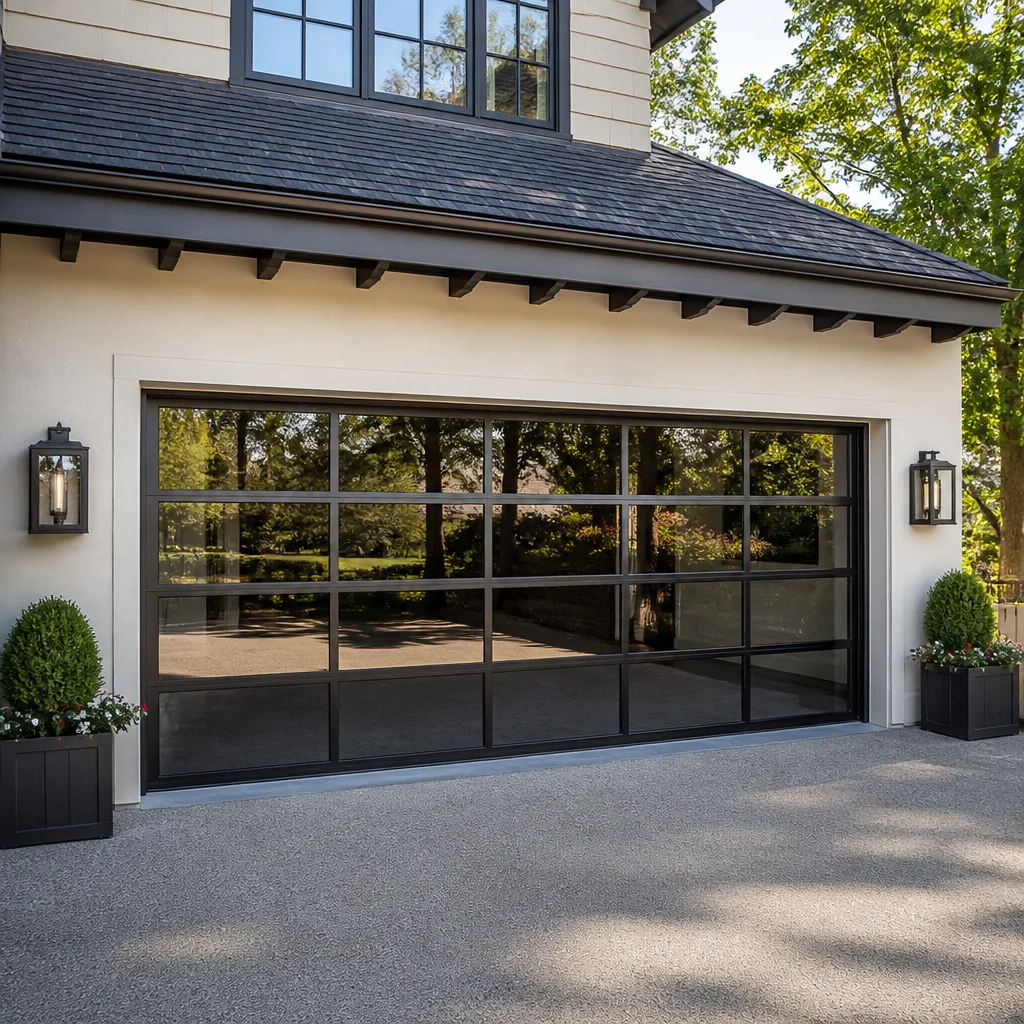 Full-view glass
 LiftMaster openers
 Chamberlain openers
Full 25-point door and opener safety check with every visit - springs, cables, rollers, tracks, and your LiftMaster or Chamberlain opener included
You get a price before we start. It does not change when the pro arrives.
Get your free estimateGarage Door Warning Signs: A Riverdale Homeowner’s Reference Guide
Most garage doors don’t fail without warning. They telegraph the problem for weeks – sometimes months – before they stop working entirely. The trouble is that homeowners misread the signals. A grinding sound when the door reverses direction usually isn’t the opener struggling. It’s a roller that’s lost its ball bearings, and running it another week can shred the track. A door that looks straight but sits uneven by a quarter inch is telling you about cable tension, not a bent rail. This guide maps the sounds, sights, and behaviors of a failing garage door to what they actually mean, so Riverdale homeowners can fix small problems before they become full breakdowns.
Quick Answer
The most common garage door warning signs are grinding, squealing, banging, and clicking noises; a door that reverses immediately when it hits the floor; visible cable fraying; and a door that won’t stay up when you lift it manually. Of these, visible cable damage and a door that won’t hold open are the two that require same-day professional attention – the rest can usually be scheduled for a regular appointment, though none should be ignored for long.
Styles & brands we work with
- Raised-panel steel
- Carriage house
- Modern flush
- Full-view glass
- LiftMaster openers
- Chamberlain openers
Table of Contents
- What the Sounds Coming From Your Garage Door Actually Mean
- Visual Warning Signs Most Homeowners Misread
- The Balance Test: Your Best Early-Warning Tool
- Using Opener Behavior to Diagnose the Problem
- Which Warning Signs Need Same-Day Action and Which Can Wait
- Springs and Cables: The Parts You Should Never Touch
- Brand-Specific Quirks Worth Knowing
- Seasonal Patterns for Riverdale Doors
What the Sounds Coming From Your Garage Door Actually Mean
Your garage door is a mechanical system with several moving parts, and each one makes a different sound when it starts to wear. Learning to match the noise to the component is the fastest way to know whether you’re looking at a quick fix or a bigger repair. Here’s how we translate the four most common sounds.
Banging or a Loud Bang
A single sharp bang – often followed by the door dropping slightly and refusing to open – usually means a torsion or extension spring has broken. If you hear a bang followed by a scraping or snapping noise, the problem may be a frayed cable that’s let go. Either way, stop operating the door. A door with a broken spring or cable is now held up only by the opener and gravity, and the opener isn’t built to carry that load.
Grinding
Grinding when the door moves – especially when you hear it change pitch as the door reverses – points to worn rollers or a stripped opener gear. When a roller loses its ball bearings, the metal shaft grinds directly against the track. That noise isn’t cosmetic. Running it another week can gouge the track and turn a roller swap into a full track replacement.
Squealing
A high-pitched squeal as the door opens is usually dry hinges or a dry torsion tube. This is the friendliest warning sign on the list, but it still deserves attention. Hinges that run dry wear faster and eventually loosen, which puts more stress on the opener. Note that we don’t recommend homeowners climb a ladder to lubricate the torsion tube itself – the springs are under real tension. A technician can handle that during any scheduled visit.
Clicking
Repetitive clicking often means something is in the track path – a loose bolt, a bent roller stem, or debris wedging between the roller and the rail. It can also be loose hardware on the door panels themselves. Clicking is easy to ignore and easy to misdiagnose. A technician can trace the source in minutes.
Visual Warning Signs Most Homeowners Misread
Not every problem announces itself with sound. Some of the most important warning signs are things you have to look for, and the ones homeowners misread most often are the ones that matter most.
The Door Looks Level But Isn’t
This is the sign people miss. Stand inside your garage and look at the gap between the bottom of the door and the floor on both sides. If the gap measures uneven by more than a quarter inch side to side, the door has a cable tension imbalance – not a track problem, not a bent panel. Many Riverdale homeowners assume the track must be off because the door tilts slightly. Usually it’s the cables: one side is carrying more load than the other. Left alone, the imbalance accelerates cable wear and can cause the door to bind mid-travel.
Visible Cable Fraying
Stand at a safe distance and look at the cables that run along the sides of the door. Any sign of fraying – wire strands sticking out, thin spots, or a section that looks pinched – is a same-day concern. A cable that’s failing can snap and send the door crashing down. Don’t stand directly under a door with a suspect cable, and don’t try to operate it.
Rollers Out of the Track
A roller is out of the track if you can see daylight between the wheel and the rail, or if the door wobbles as it moves. Sometimes the roller itself is fine and the track has been bent – either way, running the door will make it worse.
Sagging Panels
Wood and steel panels can sag under the weight of the door above them, especially in doors that have been hit or dropped. A sagging panel changes the door’s balance and puts extra load on the springs. It’s a visual inspection item – look along the seams between panels from ten feet back.
The Balance Test: Your Best Early-Warning Tool
The balance test is the single most useful thing a homeowner can do to check the health of a garage door’s springs. It takes about two minutes and tells you a lot.
How to Run a Balance Test
- Close the door completely and disconnect the opener – most openers have a red release handle you pull downward to disengage the carriage.
- Lift the door by hand to about waist height. A healthy door feels heavy but manageable for an adult.
- Release the door gently and step back. Watch what it does.
- Reconnect the opener by pressing the wall button or remote once – the carriage should re-engage when the opener runs.
What the Results Mean
- The door stays where you let it go. Springs are properly tensioned – the system is balanced.
- The door rises on its own. The springs are over-tensioned, or a spring was replaced with the wrong size.
- The door falls under its own weight. The springs are under-tensioned or losing strength – often the first sign of spring fatigue.
- The door won’t stay up at all, in any position. This is a same-day call. The door is unsafe to operate, and it’s a genuine hazard to anyone underneath it.
Run the balance test twice a year. Late fall and early spring are good times, because they catch changes in spring behavior between seasons. If you find a borderline result, note it and re-test in a few weeks – small changes over time are more telling than a single test.
Using Opener Behavior to Diagnose the Problem
Your opener is a diagnostic tool. How it behaves in the last few inches of travel, or how it responds to an obstruction, tells you whether the problem is mechanical (door, springs, tracks) or electronic (opener, sensors, wiring).
The Door Reverses Immediately After Touching the Floor
Most people assume this is the safety sensor detecting something. It usually isn’t. If the door goes all the way down, touches the floor, and immediately goes back up, the opener’s limit switch has drifted. The opener thinks it hasn’t fully closed, so it reverses. It’s a small adjustment on most models, but the opener needs to be reset properly – and the adjustment is different from brand to brand. A technician who works on Chamberlain, Genie, and similar units daily will know the procedure for yours.
The Door Stops Mid-Travel
If the door stops halfway up, the opener may be hitting its force limit – a safety feature that kicks in when the door is binding. That usually means a mechanical problem (worn rollers, an out-of-alignment track, or a failing spring). The opener is doing its job; the door is the problem.
The Door Doesn’t Respond at All
No movement from the opener usually points to electronics: dead remote batteries, a disconnected safety sensor, a frayed wire to the wall button, or a blown logic board. This is where a specialist in opener repair pays off – a general handyman will often swap the whole opener when the real problem is a $12 sensor or a loose connection.
The Door Works From the Wall Button but Not the Remote
That’s a remote or receiver issue, not a door issue. New remote pairing is quick, but if a previous remote worked fine and stopped, the receiver may need attention.
Which Warning Signs Need Same-Day Action and Which Can Wait
Not every warning sign is a same-day emergency. Sorting symptoms into “call now” and “schedule this week” prevents both panicked calls over minor issues and ignored signs that turn into bigger repairs.
Call the Same Day
- Visible cable fraying. A failing cable can snap and drop the door.
- The door won’t stay up in manual mode. Springs have failed or lost most of their tension.
- A loud bang followed by a non-functional door. Broken spring or cable – stop using the door.
- The door is off its tracks. Running the opener will damage the door panels.
- The door is stuck open or stuck closed. Both leave your home exposed or unusable.
Schedule This Week
- Grinding noise. Worn rollers – fix soon before the track is damaged.
- Squealing. Dry hinges – lubricate or schedule a maintenance visit.
- Door reverses on closing. Limit switch drift – annoying but not dangerous.
- Slow or inconsistent opener response. Sensor or receiver issue worth diagnosing.
- Uneven gap at the floor. Cable tension imbalance – schedule before it worsens.
What Happens When You Call
Call (855) 745-5903. We answer 24/7. Fast dispatch from 7am to 7pm, Sunday through Friday. Our technicians have up to 8 years of experience, and garage doors are all we do. A call outside dispatch hours is booked into the next opening. Same-day emergency service is a core offering for us, not something we scramble to arrange.
Springs and Cables: The Parts You Should Never Touch
Springs and cables carry the entire weight of the door. That’s why nearly every warning sign on this page eventually traces back to them. It’s also why they’re the parts a homeowner should never adjust.
A torsion spring under load stores enough energy to cause serious injury if it releases unexpectedly. Extension springs have the same risk, plus the added danger of the door itself dropping. We don’t give step-by-step DIY instructions for spring or cable work, and no responsible garage door company should. The safe move is to recognize the warning sign and call a specialist. Garage door repair on the spring-and-cable side of the trade is a specific skill, and it’s the reason we treat spring replacement as a named specialty rather than a side job. Technicians trained for torsion and extension spring work know the tools, the safety procedures, and the failure modes to look for. A general handyman rotating between tasks shouldn’t be in that work.
Same goes for the opener’s high-voltage wiring. If you’re tracing a fault through the control panel or suspect a wiring issue, call an electrician or a garage door specialist – not a neighbor with a multimeter.
Brand-Specific Quirks Worth Knowing
Most garage doors and openers in Riverdale homes come from a handful of manufacturers, and each one has its own behavior patterns. Knowing your brand makes diagnosis faster.
- Chamberlain and LiftMaster. Common in this area. Their openers often use safety sensors with LED indicators – if the sending sensor light flickers instead of staying steady, that’s your problem. Limit switch adjustment on these units is done through a menu on the logic board on newer models.
- Genie. Older Genie openers use a chain drive that can develop slack and produce a slap or rattle. Newer models use screw drive and behave differently. Force settings are adjusted via screws on the side panel on many Genie models.
- Clopay and Amarr. These are door manufacturers, not opener manufacturers. Panel sag, hinge wear, and roller alignment show up on Clopay and Amarr doors in patterns tied to the door’s construction – steel with insulation versus non-insulated wood-backed panels, for example.
- Craftsman and Wayne Dalton. Craftsman openers are close cousins to Chamberlain in function, so diagnosis often follows the same steps. Wayne Dalton doors and openers have their own hardware quirks, particularly around roller stems.
- Raynor. Known for heavier commercial-grade residential doors, so spring sizing and balance matter more than on lighter doors.
We work on the brand already in your garage – across Chamberlain, Genie, Clopay, Amarr, LiftMaster, Wayne Dalton, Craftsman, and Raynor. When you describe a symptom, we can often narrow the cause before we arrive. You can read more about garage door opener repair if the warning sign is electronic rather than mechanical.
Seasonal Patterns for Riverdale Doors
Riverdale’s mix of wet springs, hot humid summers, and cold winters puts specific wear patterns on garage doors. Springs don’t fail randomly – they fail with seasonal timing you can plan around.
Wet winters and springs raise humidity in garages, which accelerates rust on rollers, hinges, and the torsion tube. If you hear a grinding sound start in January or February and clear up as the weather warms, that’s typically a roller that’s been running dry and rusty through a cold season. Catching it in fall prevents the winter grinding altogether.
Summer heat stresses springs. Metal expands, and springs that were borderline balanced in winter can drift out of tension in July. That’s why balance tests twice a year make sense – one in spring, one in fall catches both seasonal swings. Wood doors also swell and contract with humidity, which can throw a door out of adjustment even when the hardware is fine.
Cold snaps catch up with old springs. If a spring has been slowly losing tension through the fall, the first deep freeze of winter is often when it finally gives. If your balance test in fall showed a door that was starting to fall under its own weight, don’t wait for the bang.
Common Mistakes to Avoid
- Ignoring a grinding sound until the door stops moving. Wear on a roller is a small repair. Once it damages the track, the same problem costs much more. The same logic applies if the sound started when the door reverses direction – that’s usually a roller, not the opener.
- Assuming an uneven door means a bent track. Most of the time, a door that looks level but sits uneven by more than a quarter inch has a cable tension imbalance. Adjusting the track when the problem is in the cables won’t fix it and may make it worse.
- Treating a door that reverses on the floor as an obstruction. If you’ve cleared the sensor path and the door still reverses at the floor, the limit switch needs adjustment. Continuing to press the button won’t fix it and wears the opener.
- Lubricating the torsion tube yourself. It’s tempting because the squeal is coming from up there. But the springs are under real load, and a slip on a ladder near a loaded spring can end badly.
- Disconnecting the opener and forgetting to re-engage it. If you run a balance test and forget to re-engage the carriage, the next press of the wall button won’t move the door. That’s not a broken opener – it’s a disconnected carriage.
- Calling a handyman for spring or cable work. Those parts require specific training. A generalist who works on fences and doors in the same week is not the right call.
- Waiting for the door to fail completely before getting an estimate. Warning signs exist to give you lead time. A scheduled visit is usually cheaper and easier than a same-day emergency call.
See the difference
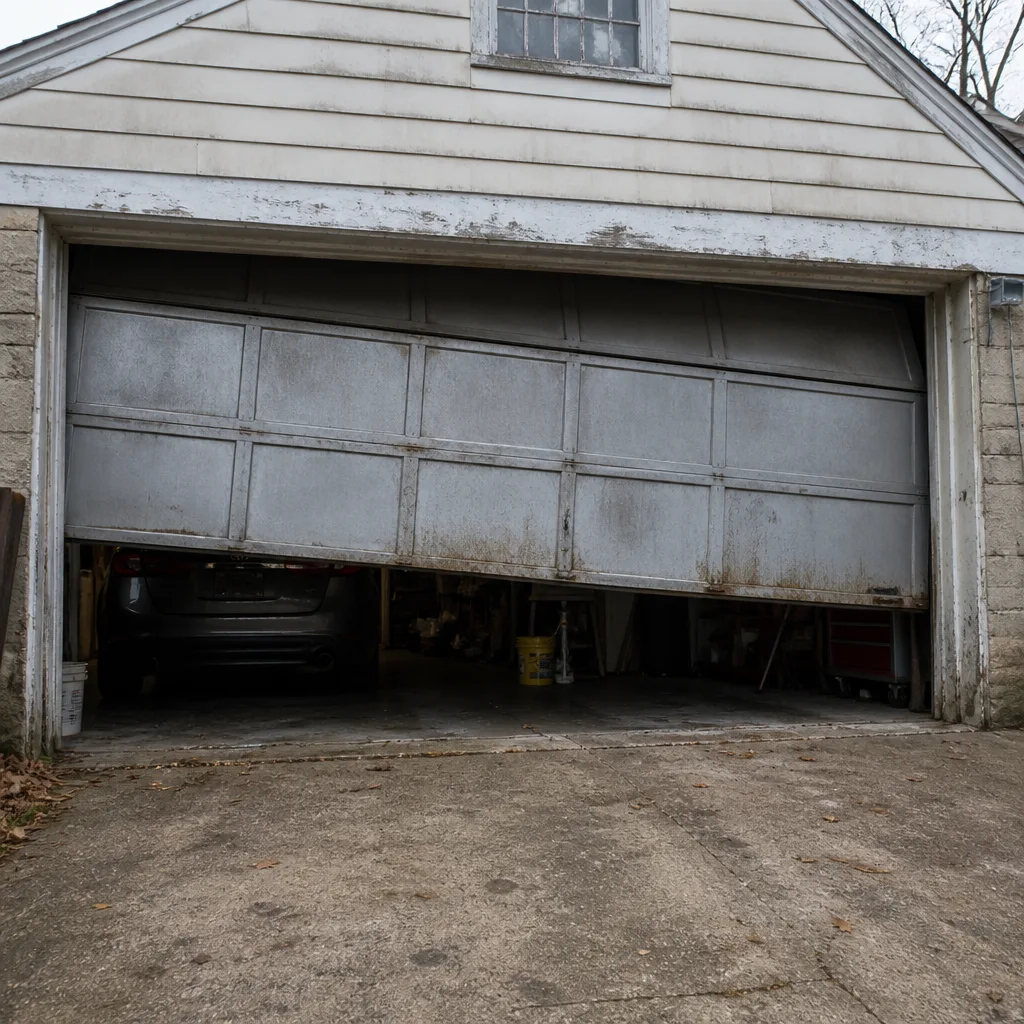 Before
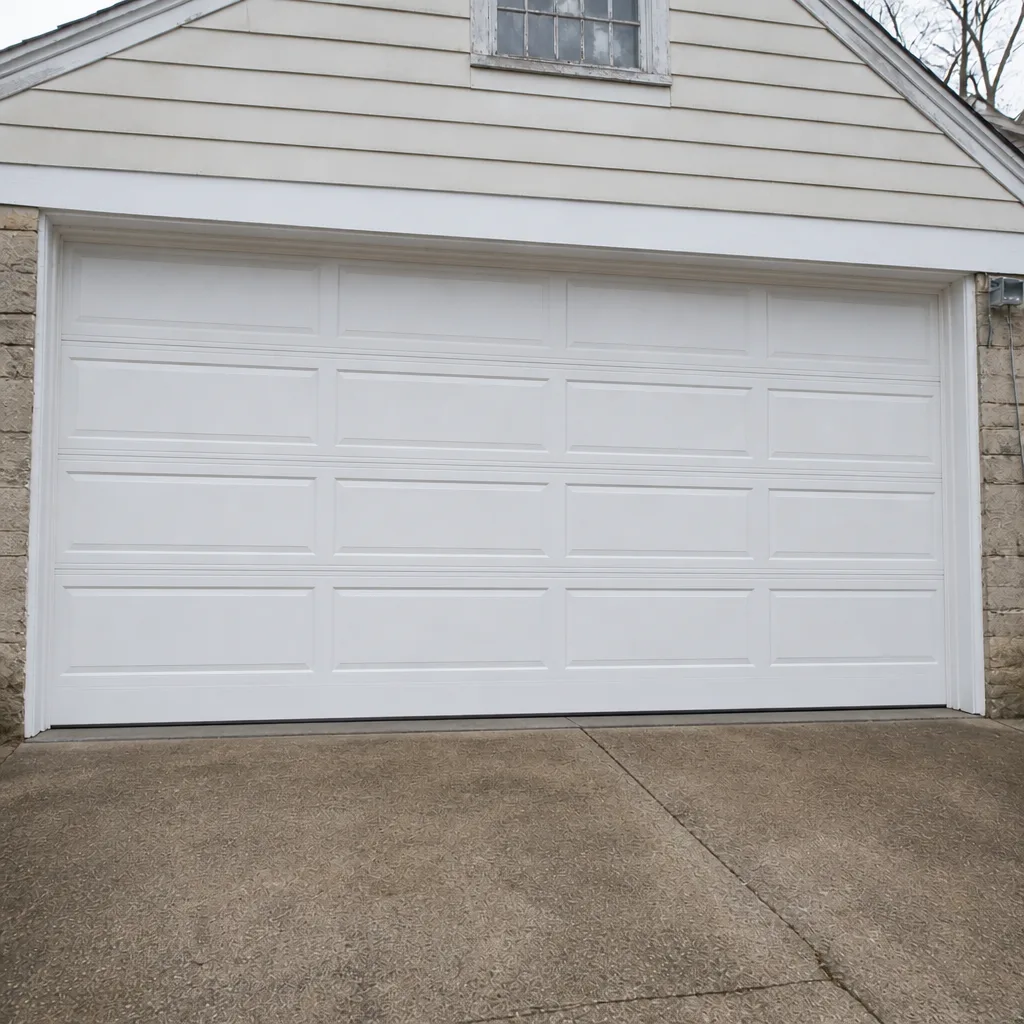 After
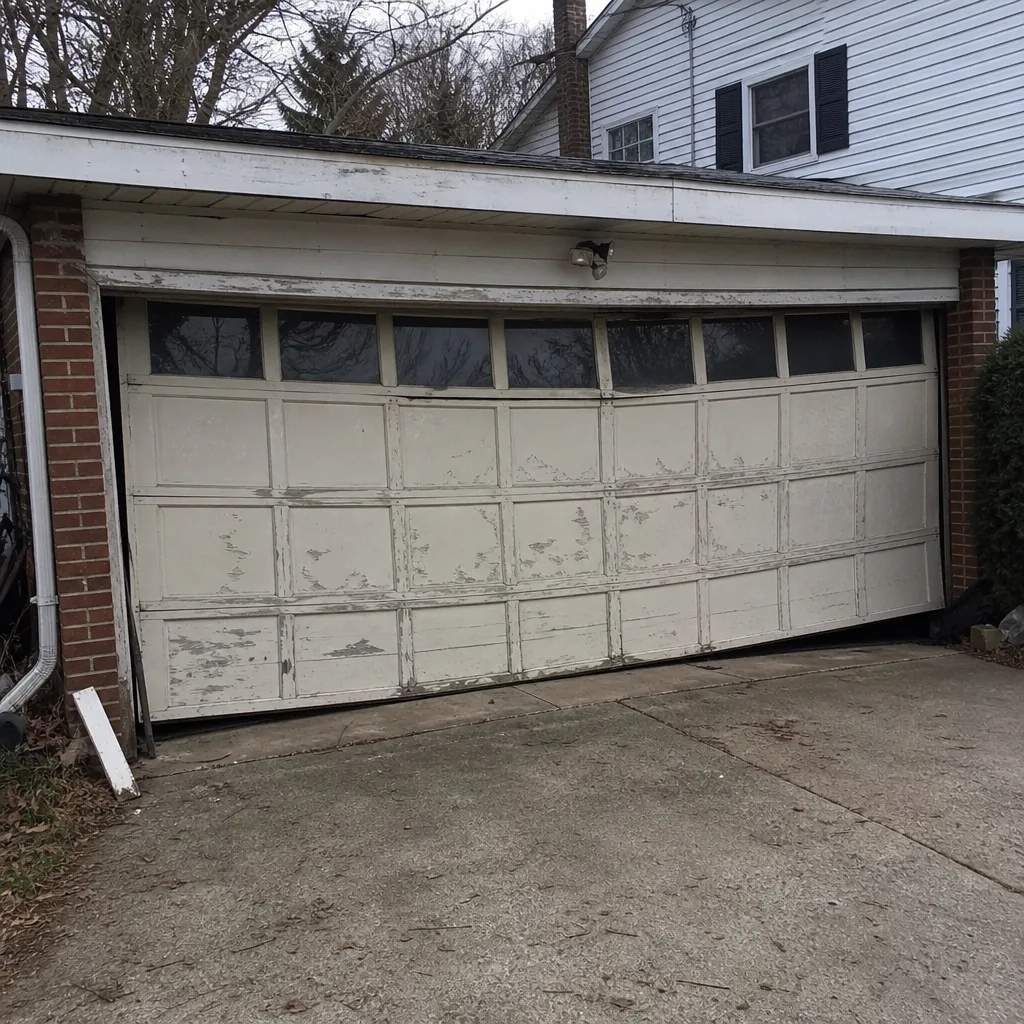 Before
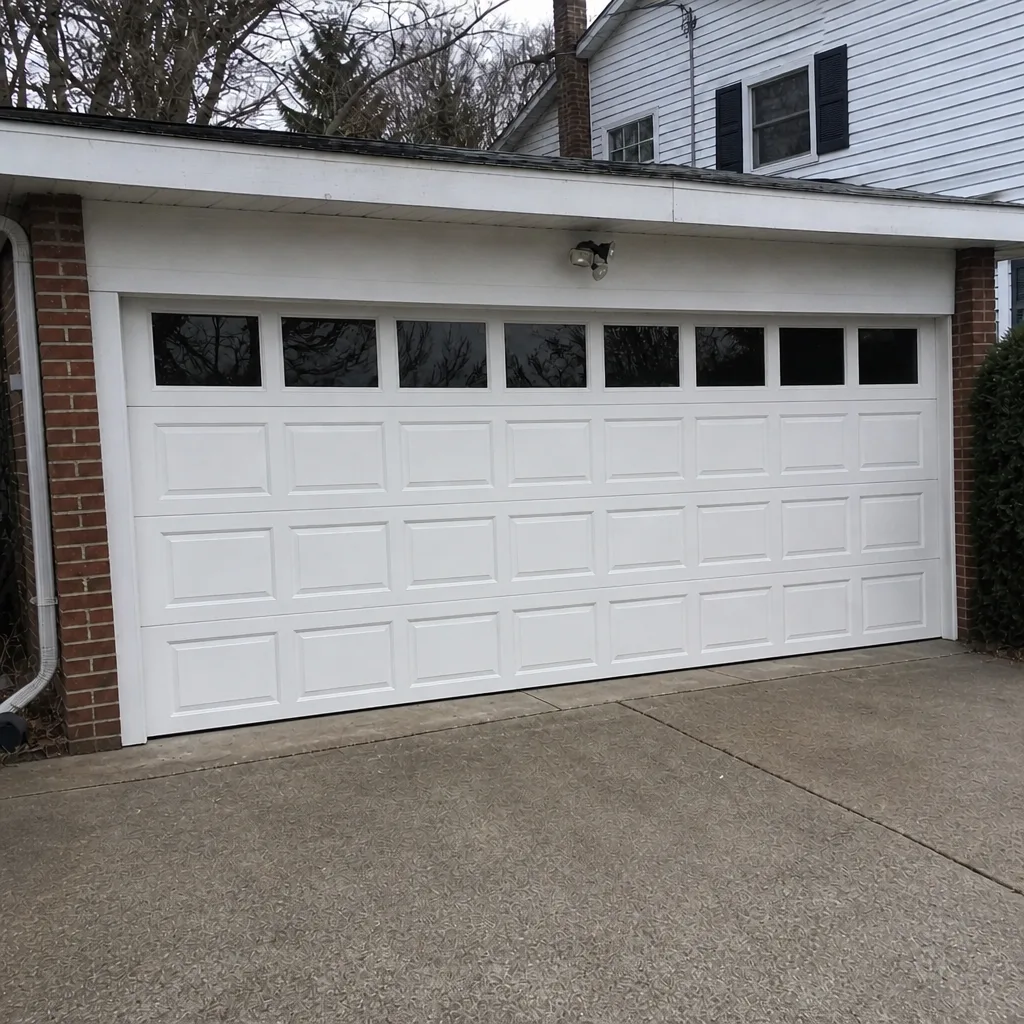 After
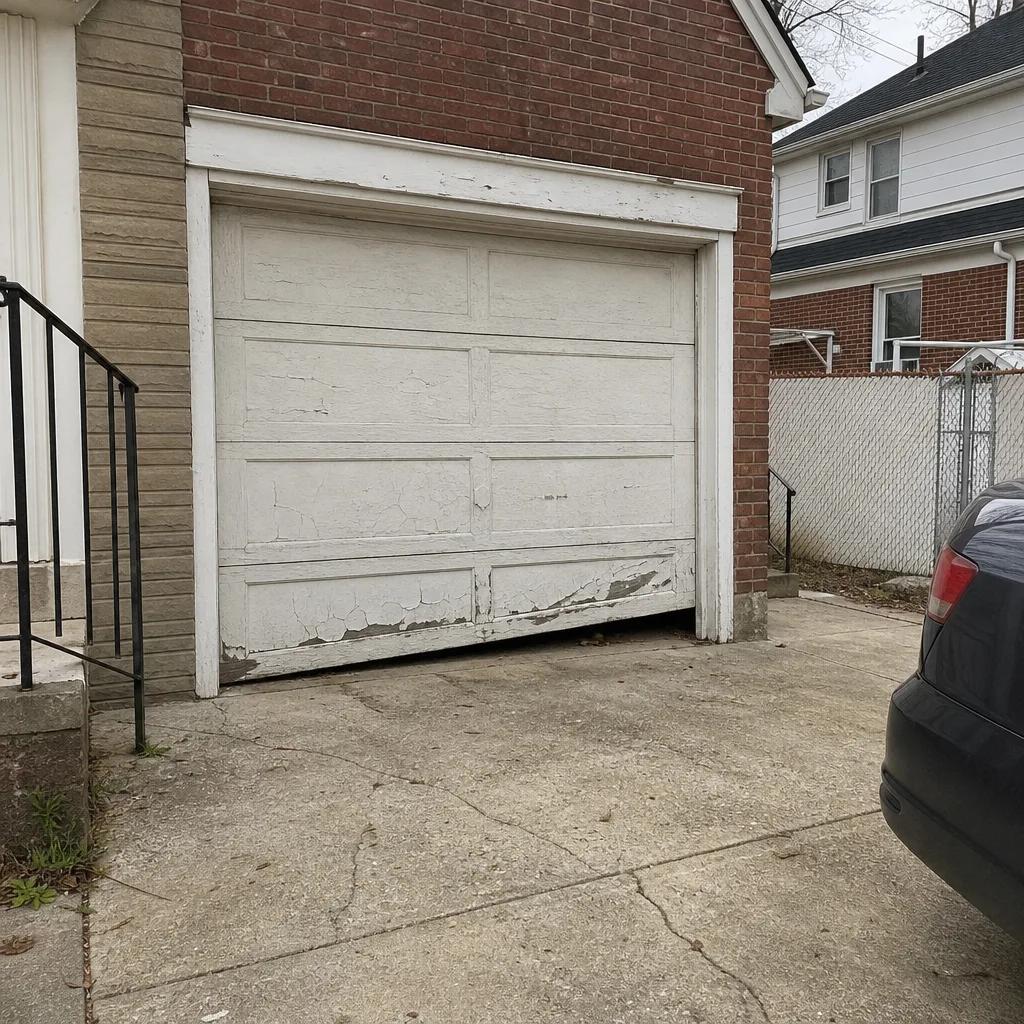 Before
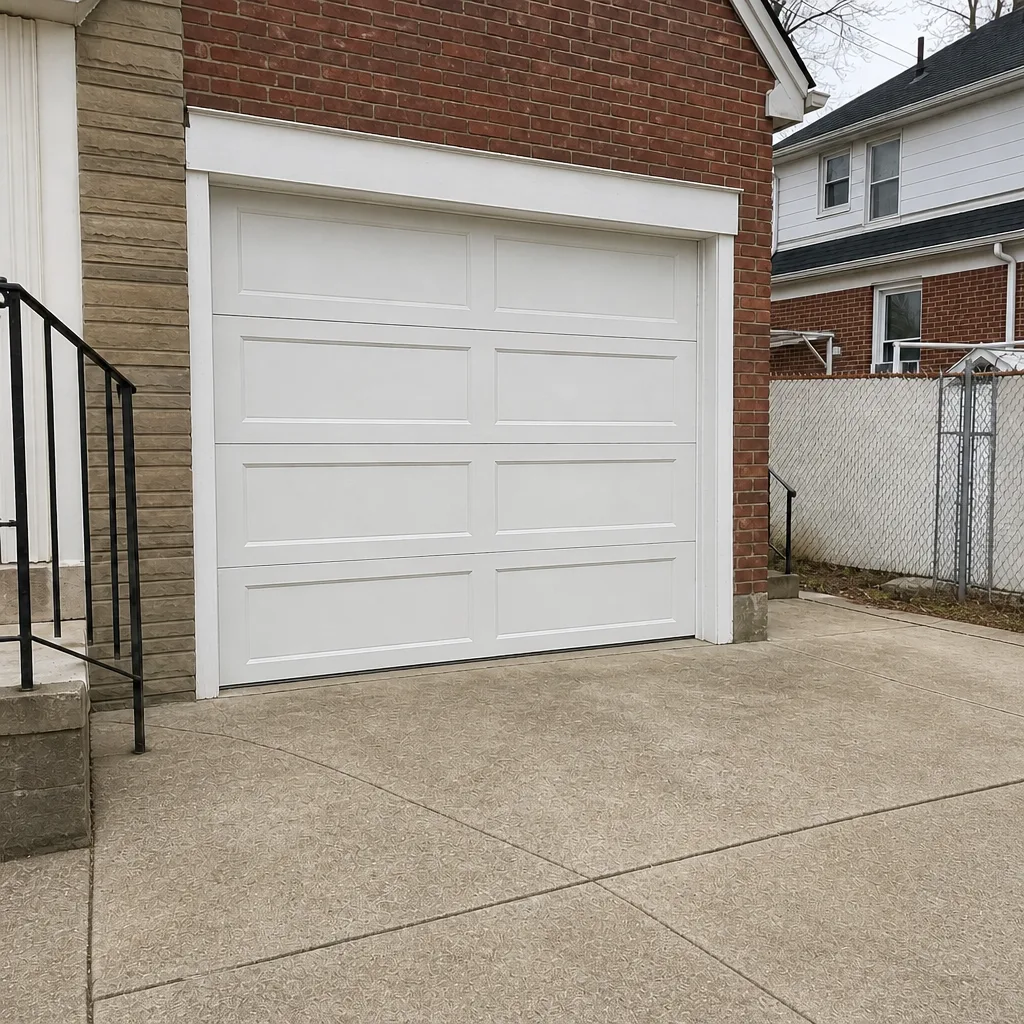 After
When to Call a Professional
Call a professional the moment you see cable fraying, spring damage, or a door that won’t hold itself open. Those are safety situations, not maintenance tasks. Call sooner rather than later if the door has come off its tracks, the opener is producing a loud grinding noise, or the door has failed to close properly more than once in a week. And call whenever a symptom doesn’t match a simple explanation – repeated clicking with no visible debris, a door that reverses inconsistently, or an opener that behaves differently from one day to the next. A trained eye will identify the actual fault in minutes, and catching a worn roller before it shreds the track often means the difference between a small repair and a full track replacement.
Riverdale Garage Door Repair Pros offers free estimates in Riverdale – call (855) 745-5903. We answer 24/7, and fast dispatch from 7am to 7pm, Sunday through Friday, gets a technician to your door the same day for genuine emergencies. We work on the brands already in Riverdale garages, and we do garage doors and nothing else. If the fix is a scheduled repair, we’ll book you for the next opening that works. Either way, you know what you’re looking at before anyone touches the door.
Frequently Asked Questions
Grinding when the door moves is the most common warning sign we hear about in Riverdale, and it almost always points to a worn roller or a stripped opener gear. If the grinding starts specifically when the door reverses direction, it’s usually a roller that’s lost its ball bearings. Running the door another week in that condition can damage the track, so book a repair promptly even if the door still opens. Call (855) 745-5903 for an exact quote – estimates are free.
Yes, same-day emergency service is a core offering for us. We answer 24/7 and dispatch technicians from 7am to 7pm, Sunday through Friday. A call outside dispatch hours is booked into the next opening. If your door is stuck open, stuck closed, or has visible cable damage, call and we’ll sort out the timing. The written estimate you receive is the price before any work starts.
No. We quote the price before any work begins, and that’s the price you pay. If the diagnosis turns up a different problem than expected, you’ll get a new written estimate and approve it before we proceed. There’s no surprise invoice and no added fee once the door is on the lift.
The local pro who arrives at your home is licensed and insured as their state requires. They’re a garage door specialist, not a handyman splitting time between trades, and they’ve been trained for the brand already in your garage. Our technicians have up to 8 years of experience with mechanical and electronic garage door systems. Call (855) 745-5903 if you’d like to confirm the specifics before booking.
Twice a year – once in spring and once in fall – is the right cadence for Riverdale. The region’s seasonal humidity swings and cold snaps change how the springs behave. If you find that a door that held open in October is now falling under its own weight in January, that’s a spring that’s losing tension and needs professional attention. If the door won’t stay up at all in manual mode, that’s a same-day call.
Most municipalities require some form of permit for replacing a garage door, though the requirements vary. Ask the local building department before you schedule the work so you know exactly what’s needed for your address. For a repair like a spring swap or opener fix, permits aren’t typically involved, but a full door replacement usually is. Full garage door installation can be scheduled once you’ve confirmed what applies to your property.
No. A squealing hinge might quiet down after a rainstorm, and a grinding roller might sound better on a warm day, but the underlying wear doesn’t reverse. Symptoms that “come and go” with weather are usually worn parts responding to temperature and humidity, not repairing themselves. If you hear a sound twice and it disappears, keep it on your list for a scheduled visit. Call (855) 745-5903 to book a time that fits.
The Bottom Line
Most garage door failures give you weeks of warning before they happen. The trick is knowing what to listen for and what to look at. Grinding means a roller, squealing means dry hinges, banging means a spring, and clicking usually means an obstruction or loose hardware. A door that measures uneven side to side has a cable problem, not a track problem. A door that reverses when it hits the floor has a limit switch out of adjustment, not an obstruction. And the balance test is the simplest, most honest signal you can run yourself – if the door won’t hold open, it’s a same-day call. Reading the warning signs correctly and acting on them in the right window turns a garage door emergency into a scheduled repair. For the full range of services, from garage door opener repair to spring and cable work, Riverdale Garage Door Repair Pros does garage doors and nothing else.
When you’re ready, call (855) 745-5903 for a free estimate. We answer 24/7. Fast dispatch from 7am to 7pm, Sunday through Friday. The price is agreed before any work starts, and if the door is failing right now, we’ll get there the same day.
Written by the team at Riverdale Garage Door Repair Pros.