
Last updated November 21, 2026
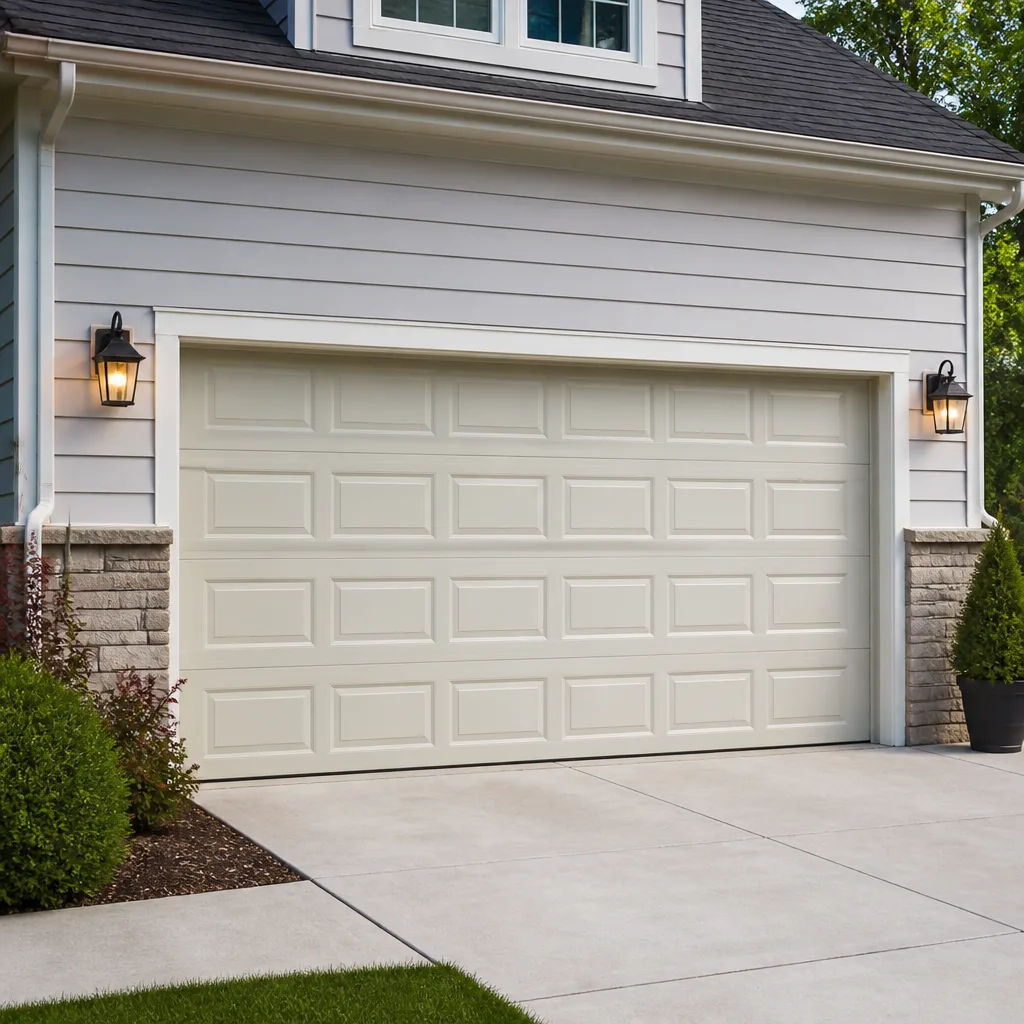 Raised-panel steel
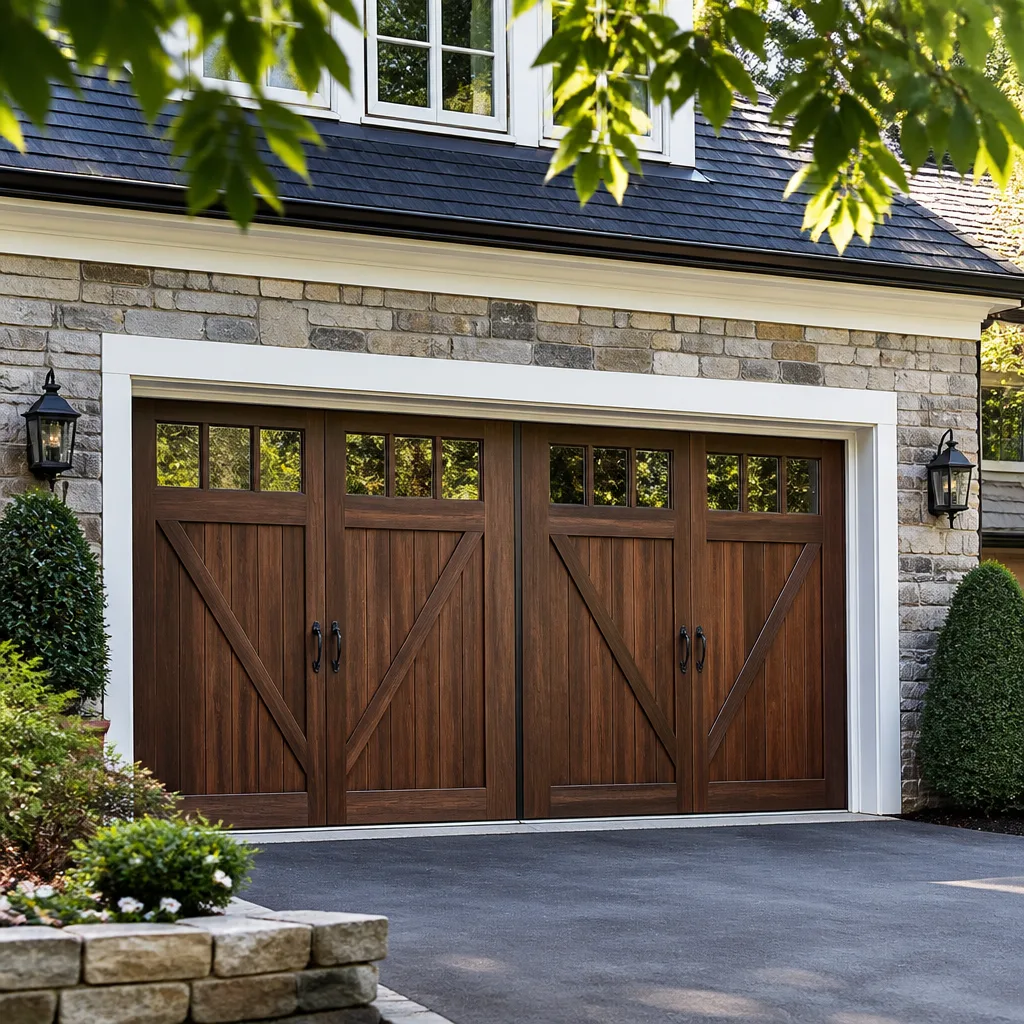 Carriage house
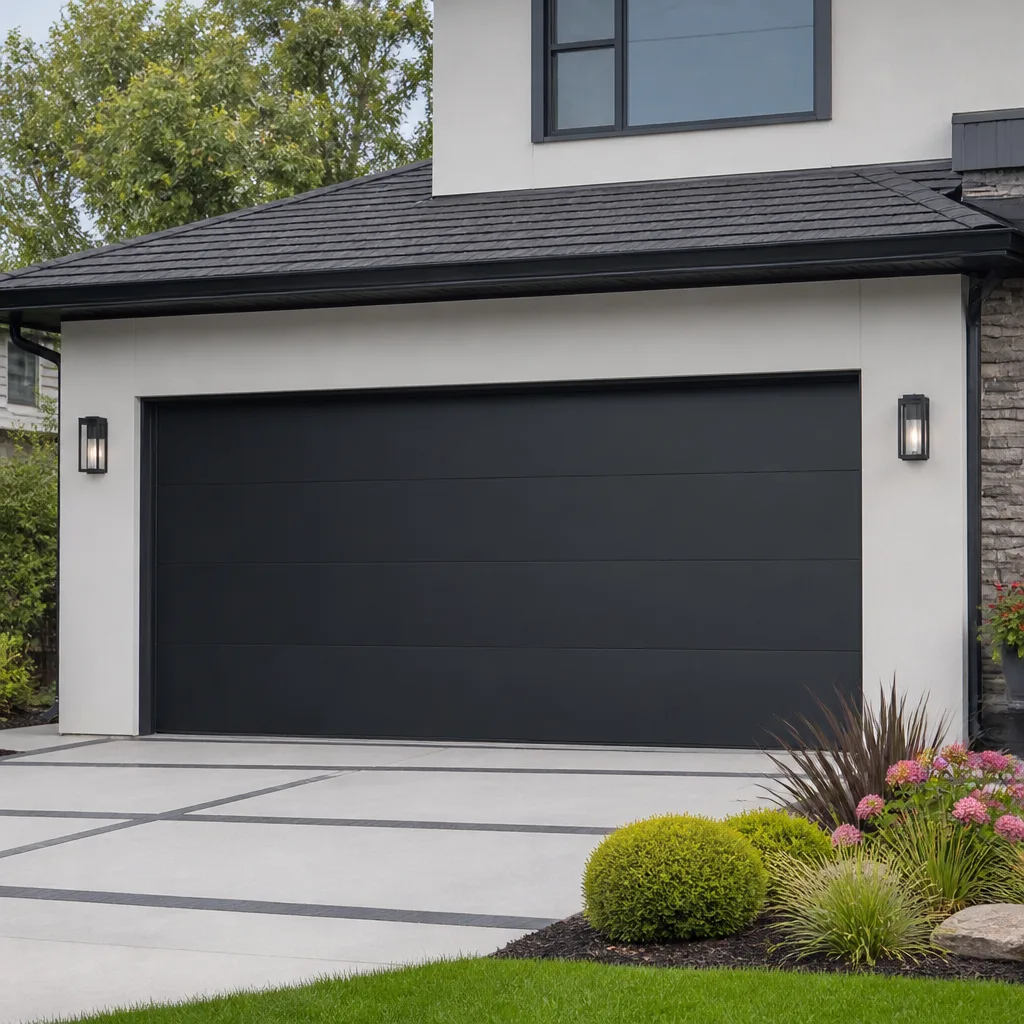 Modern flush
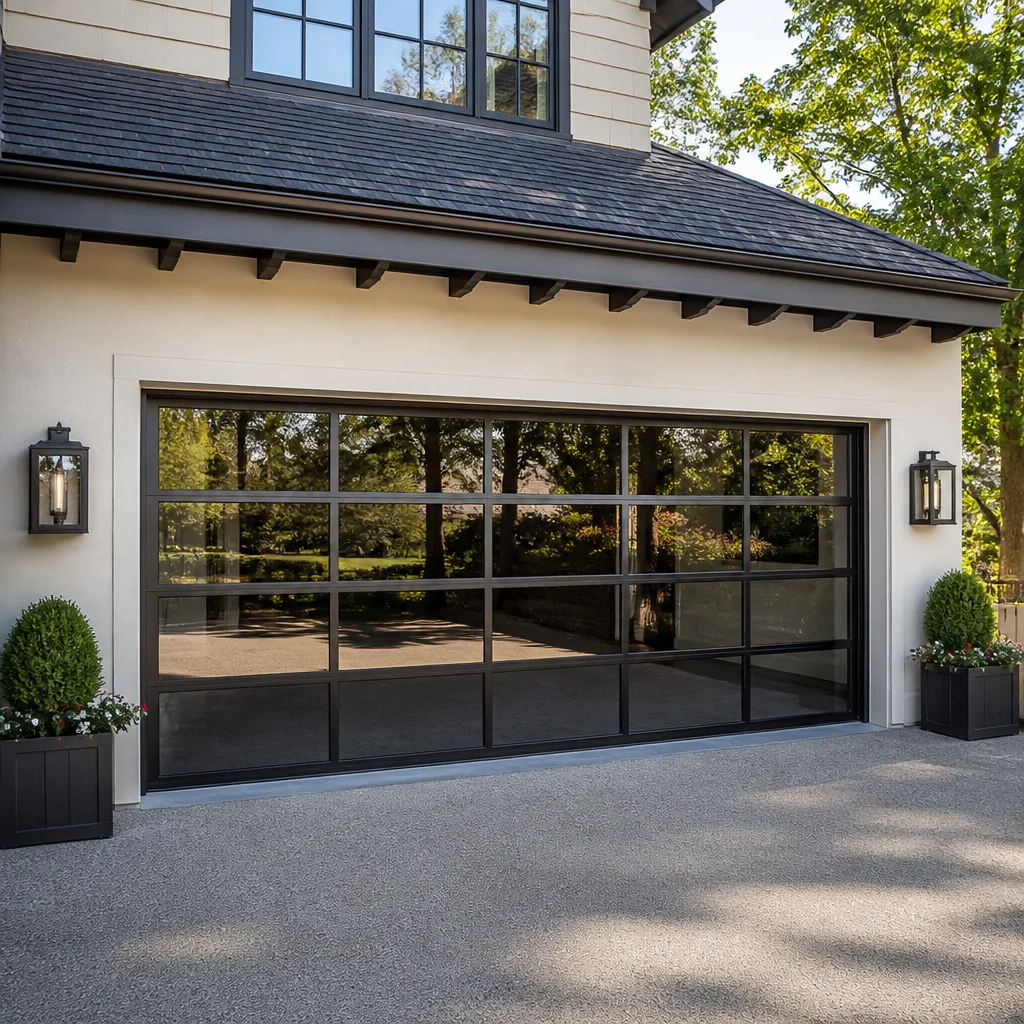 Full-view glass
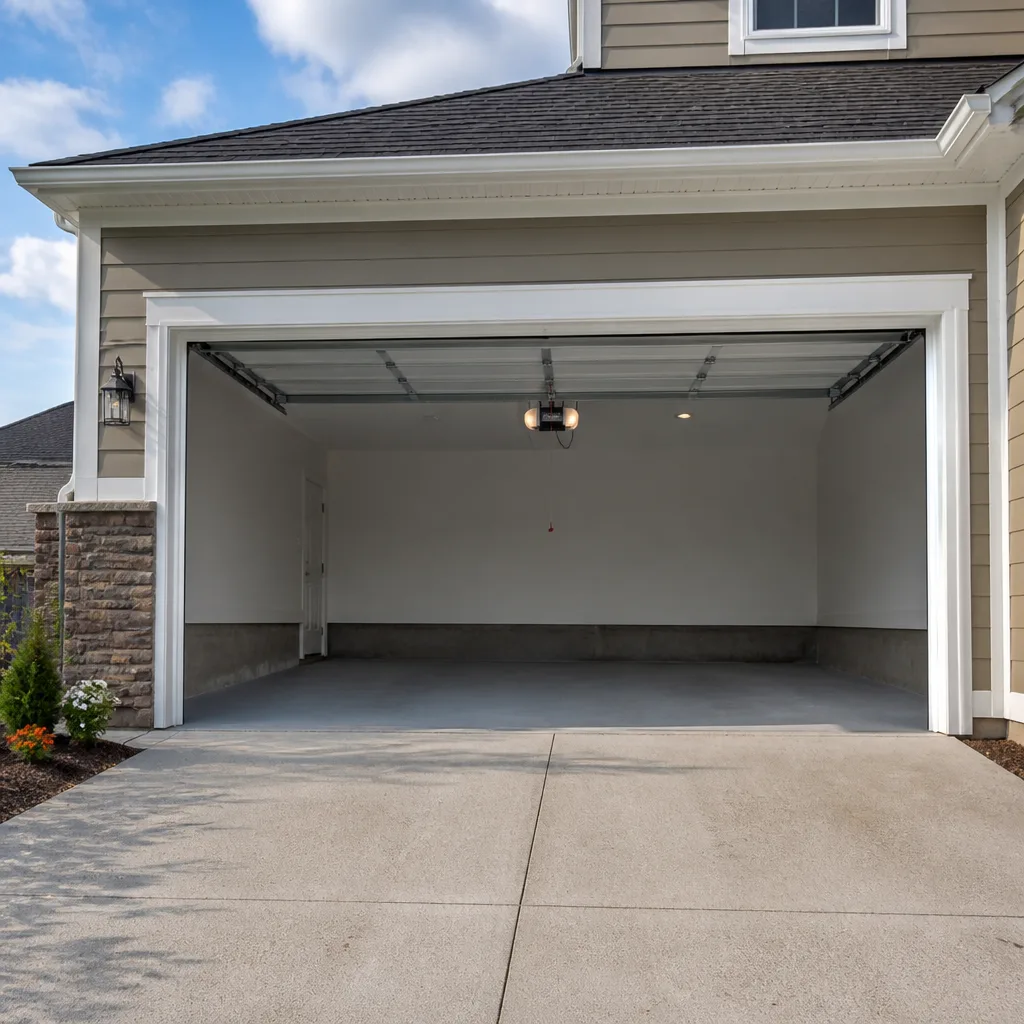 LiftMaster openers
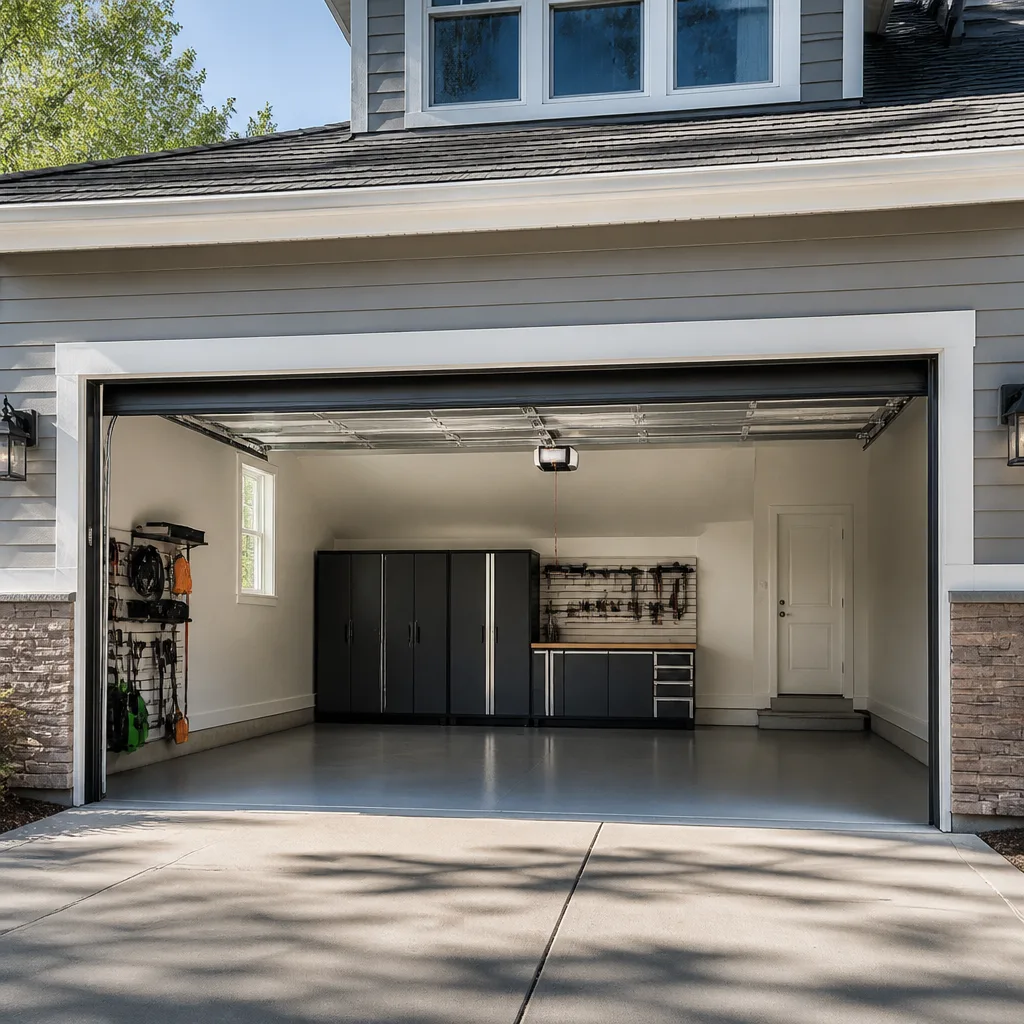 Chamberlain openers
Full 25-point door and opener safety check with every visit - springs, cables, rollers, tracks, and your LiftMaster or Chamberlain opener included
You get a price before we start. It does not change when the pro arrives.
Get your free estimateThe Complete Guide to Garage Doors in Riverdale
Most Riverdale homeowners don’t realize their building’s exterior alteration rules can veto a garage door choice before installation day. And that discovery gets expensive: you order a door, pay a restocking fee, and start over because a co-op board or a property manager says no. The second thing people miss is that Riverdale isn’t one housing market. Pre-war masonry buildings, 1960s split-levels, and newer construction each fit different doors for different reasons. This guide maps the variables that actually decide your project: building era, header clearance, door style, track configuration, opener brand, and how to read a rough opening before anyone shows up with a tape measure.
Quick Answer
The right garage door for a Riverdale home depends on three things: your building era and header clearance, the door style your building board will approve, and the track configuration your garage can physically fit. Get those settled before you order. Measure the rough opening yourself, confirm approval in writing, and only then choose among brands like Clopay, Amarr, or LiftMaster for the opener side. Sorting these out first turns a potentially stalled project into a straightforward one.
Styles & brands we work with
- Raised-panel steel
- Carriage house
- Modern flush
- Full-view glass
- LiftMaster openers
- Chamberlain openers
Table of Contents
- How Building Era Changes What Fits in Riverdale
- Which Door Styles Pass a Riverdale Board Review
- Brands That Hold Up in Riverdale’s Microclimate
- Standard, Low-Headroom, and High-Lift Track Configurations
- How to Read a Rough Opening (and Why Mistakes Cost Two Weeks)
- Openers, Remotes, and Smart Controls
- Repair or Replace: Deciding What Your Door Needs
- What Garage Door Work Typically Costs
How Building Era Changes What Fits in Riverdale
Walk through Riverdale and you pass three distinct building generations within a few blocks. Pre-war masonry construction, the mid-century frame houses and split-levels, and newer construction each leave a different footprint in the garage. The differences matter most at the top of the opening, where the header sits and how much ceiling space you have above the door.
In pre-war buildings, garages often sit in basements or under main structures, so ceiling height is limited and the header is deep. That narrows your door options considerably. A door that looks fine on a showroom floor may not physically fit.
Mid-century split-levels usually offer a more predictable street-facing opening with a reasonable ceiling, which opens up standard track configurations. Newer construction tends to have the most generous dimensions and can often accommodate high-lift track or a larger door.
When we assess a Riverdale garage, the first questions are always the same:
- How high is the finished ceiling above the door?
- How deep is the header, and is it load-bearing?
- Is the opening framed typically or is it an odd size?
- Is the garage heated, or does it share the building’s exterior envelope?
Those four answers decide whether you’re looking at a standard door, a low-headroom setup, or a full reconfiguration.
Which Door Styles Pass a Riverdale Board Review
The style question isn’t purely aesthetic in Riverdale. If you live in a co-op or condo, exterior alterations typically go through a board review or property manager, and the approval process can reject a door that doesn’t match the building’s existing character. A raised-panel steel door may look great on a brick colonial but can read as out of place on a flush-faced mid-century building, and boards notice.
Three common style families cover most of what gets approved:
- Carriage-house – Right at home on pre-war masonry and traditional façades. The panel geometry echoes older residential architecture and is the safest bet for a historic-feeling building.
- Flush steel – Clean, minimal, and often the correct choice for mid-century and newer construction. It also tends to be easier to match when a building already has consistent doors across units.
- Raised-panel – The traditional residential look that fits most detached homes and works in many co-op contexts when the existing doors already use it.
Before you order any door in Riverdale, get the approval path confirmed. That might mean a management company sign-off, a written board resolution, or a simple written confirmation from your landlord. Whatever the case, put it in writing. Verbal approvals from informal conversations don’t survive a changeover in management. Order after the approval, not before, and you’ll avoid the expensive unfreeze that comes when a door shows up and the board says no.
Brands That Hold Up in Riverdale’s Microclimate
Riverdale’s weather swings hard between humid summers, wet springs, and freeze-thaw winters. That cycle is tough on steel finishes, on wood components, and on anything that can absorb moisture and expand. The best door and opener choices here favor finishes that resist humidity and hardware that doesn’t corrode over time.
On the door side, brands like Clopay and Amarr build steel doors across the price and style range, and both have proven viable in the Riverdale climate when finished properly. Insulated steel doors do best against humidity swings; wood-faced doors need more attention but can hold up if maintained.
On the opener side, LiftMaster and Chamberlain are the two most common residential systems we see, and Genie shows up frequently in older installs. The key is that the opener should match the door weight and cycle count. An undersized opener on a heavy carriage-house door wears faster in a humid environment, and a properly sized one lasts longer across seasonal swings.
What matters more than the logo on the box:
- Correct spring tension for the door’s weight (so the opener isn’t straining).
- Sealed or treated hardware that resists rust in humid weather.
- A proper weather seal at the bottom and sides.
- An opener sized to the door, not just the door size.
We work on the brand already in your garage across eight leading residential systems, so the choice usually comes down to what fits the opening and what the board approves, not what we can order.
Standard, Low-Headroom, and High-Lift Track Configurations
Track configuration is the part of a garage door project people under-think, and it’s the reason a door that seems right can’t actually operate in a given garage. The track determines how the door travels, and the overhead clearance in your Riverdale garage decides which track is even possible.
There are three basic setups:
- Standard track – The default. The door rises and curves back to run nearly horizontal along the ceiling. Needs a normal ceiling height and a reasonably standard header.
- Low-headroom track – Used when the ceiling is low or there’s an obstruction (ductwork, a structural beam) above the door. The door travels closer to the opening and turns more tightly. Basement garages in pre-war buildings are where this comes up most.
- High-lift track – Used when the ceiling is high and you want the door to rise fully before turning back. Common in newer construction with tall garage ceilings, and it improves clearance for storage or parking.
The wrong configuration doesn’t just underperform; it doesn’t fit. High-lift track in a low garage means the door hits the ceiling. Standard track where the ceiling drops means the door can’t open. If your Riverdale garage has pipework, a beam, or an irregular ceiling, the track decision is a physical constraint, not a preference. Measure the vertical clearance above the door once, and it eliminates the guesswork.
How to Read a Rough Opening (and Why Mistakes Cost Two Weeks)
The rough opening is the framed hole the door slides into, and getting its measurements wrong before ordering is the single most common way a garage door project loses weeks. The door is built to the opening, so a misread opening means a misordered door, a restocking fee, and a new lead time before anything gets installed.
Rough openings are usually measured as width by height, but a few readings matter:
- Measure the framed opening, not the existing door. The old door may have been trimmed or fitted to a non-standard size.
- Check for square. Measure both diagonals across the opening. They should match; if they don’t, the frame is out of square and the door size may need adjustment.
- Note the header depth and any obstruction. It changes the track configuration, which changes the door.
- Confirm the ceiling height above the opening. It confirms standard, low-headroom, or high-lift track.
- Check the floor level and the threshold. A sloped or uneven floor affects the bottom seal.
In Riverdale’s older buildings, openings are frequently non-standard or have been altered over the years, so measuring the existing door and assuming that equals the opening is exactly the mistake that causes reorders. A careful measurement before ordering is a day’s work that saves weeks. If the building is a co-op, get the approval step moving on the same schedule, because both have to clear before the door can be ordered.
Openers, Remotes, and Smart Controls
Openers are the part of a garage door system most likely to be mismatched with the door itself. An opener sized for a light single door will struggle against a heavy carriage-house unit, and the electronics side (remotes, keypads, smart controls) is where old and new equipment often fail to talk to each other.
Our garage door opener repair work covers the electronics and the mechanical linkage. The common problems fall into a few groups:
- Remotes and keypads that stop responding – Often a pairing issue, a dead battery, or a frequency conflict, not a dead opener.
- Opener runs but the door doesn’t move – Usually a disconnect, a stripped gear, or a failed linkage.
- Door reverses or stops partway – Typically a safety sensor alignment problem or a travel limit setting.
- Smart controls losing app connection – Often a network pairing issue with the brand’s app or a firmware mismatch.
If your opener is a LiftMaster or Chamberlain, replacement remotes and accessories are widely available and pairing is usually straightforward. For older Genie systems, remotes still exist but should be matched carefully. Either way, the fix starts with identifying the opener model and its age, because an opener on its last cycle is worth replacing while you’re replacing the door rather than repairing twice.
Repair or Replace: Deciding What Your Door Needs
Not every problem needs a new door, and not every old door is worth repairing. The decision usually comes down to what’s broken, how old the door is, and whether the fix is mechanical or structural. A single broken spring, a bent track, or a dead opener is repair territory. A door with rusted-through panels, a badly out-of-square frame, or a full crack through the header is a replacement conversation.
Springs sit at the top of the list for a reason. Torsion and extension springs are wound under high tension, and a spring that lets go can cause serious injury. That’s why spring work is a job for a trained garage door technician, not a general handyman and definitely not a homeowner with a winding bar. We treat garage door repair as mechanical work first: springs, cables, tracks, and panels get looked at as one system, because a fix that only addresses one part often fails again on the next part.
The general rule we follow:
- Repair when a discrete part has failed and the door and frame are otherwise sound.
- Replace when panels are structurally compromised, the frame is out of square, or repeated failures point to a worn-out system.
- Measure before either, so you know the true opening and can order the right replacement if repair turns into replacement.
If you’re weighing a full replacement, our garage door installation team supplies and installs complete systems, so the door, track, spring, and opener can be matched to your opening in one project rather than pieced together across two contractors.
What Garage Door Work Typically Costs
Garage door pricing in Riverdale breaks into a few ranges, and the most useful thing to know is that these are estimates, not final quotes. The written estimate sets the final price, and that price is agreed before any work starts. A spring replacement is priced per spring; a matched pair is usually replaced together and costs about twice a single spring. A full door and opener project is priced separately and depends on size, style, and the track configuration your garage needs.
| Work | Typical Estimated Range |
|---|---|
| Single spring replacement | $180-$340 |
| Matched pair of springs | About twice the single-spring range |
| Opener repair (remotes, sensors, linkage) | $120-$350 |
| Opener replacement | $350-$750 |
| New door installation (door only, standard size) | $900-$3,500 |
| Door and opener together | Priced together by written estimate |
Those ranges are for typical jobs and standard conditions. An unusually large door, a non-standard opening, a low-headroom or high-lift track rebuild, or a co-op approval process that requires specific hardware will move the number. What doesn’t move is the process: call, get a free estimate, agree on a written price, and pay that price. The Riverdale Garage Door Repair Pros estimate is free, and the number on the written estimate is the number you pay.
If the door won’t close at all, that’s a same-day matter, not a cost decision to sit on. We answer 24/7. Fast dispatch from 7am to 7pm.
Common Mistakes to Avoid
- Ordering a door before checking building approval. In a Riverdale co-op or condo, the board or property manager can veto a style after you’ve paid. Confirm in writing first.
- Measuring the old door instead of the rough opening. The opening is what the door is built to, and older Riverdale frames are often non-standard or altered.
- Ignoring the header and ceiling clearance. Track configuration depends on it, and a door that won’t clear the ceiling has to come back.
- Trying to replace a spring yourself. Torsion and extension springs are under extreme tension. A failed spring can cause serious injury; leave it to a technician.
- Replacing the door without checking the opener. An old opener may be near the end of its cycle. Replacing both together avoids a second job in a few months.
- Choosing a wood door without a moisture plan. Riverdale’s humid summers and wet springs punish untreated wood; a sealed or steel door is a safer long-term pick.
- Assuming the door size equals the opening size. A door trimmed to fit an odd frame will not fit once the new door is ordered to the true opening.
See the difference
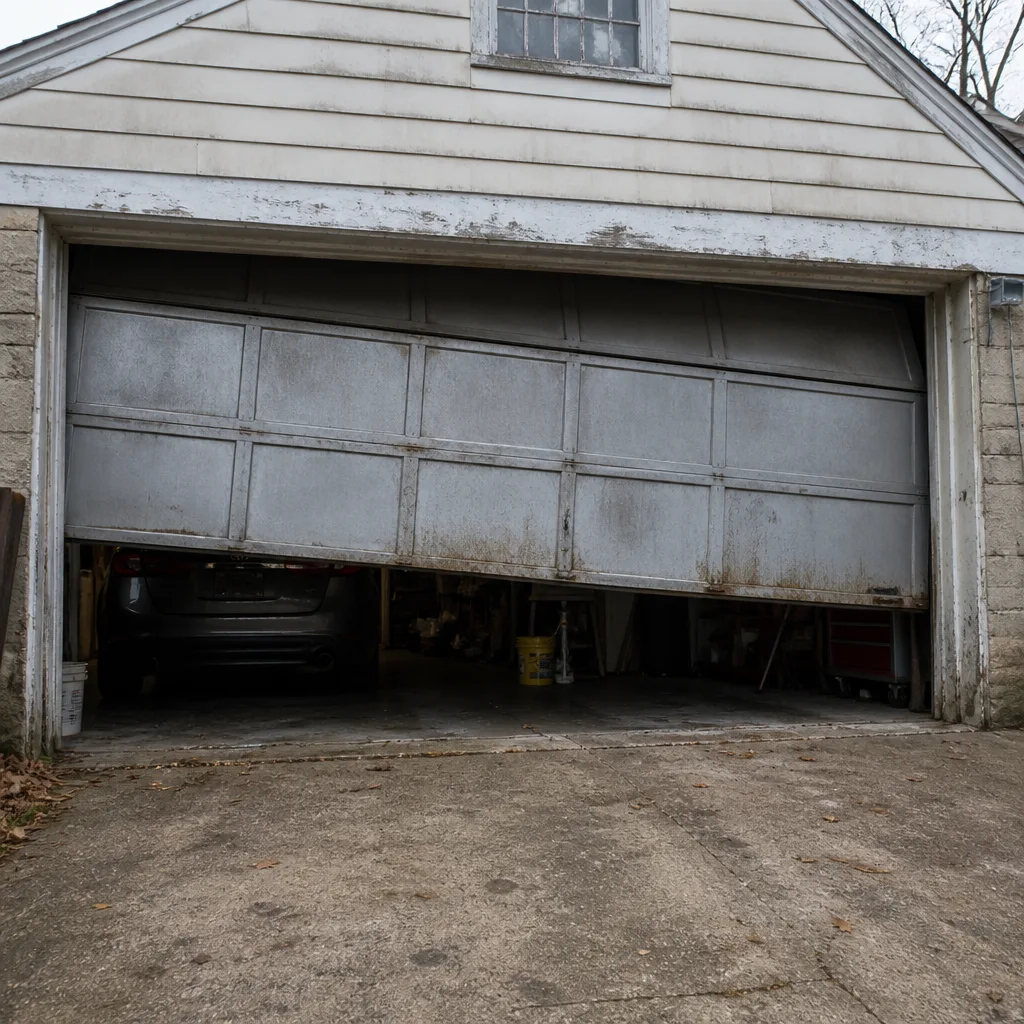 Before
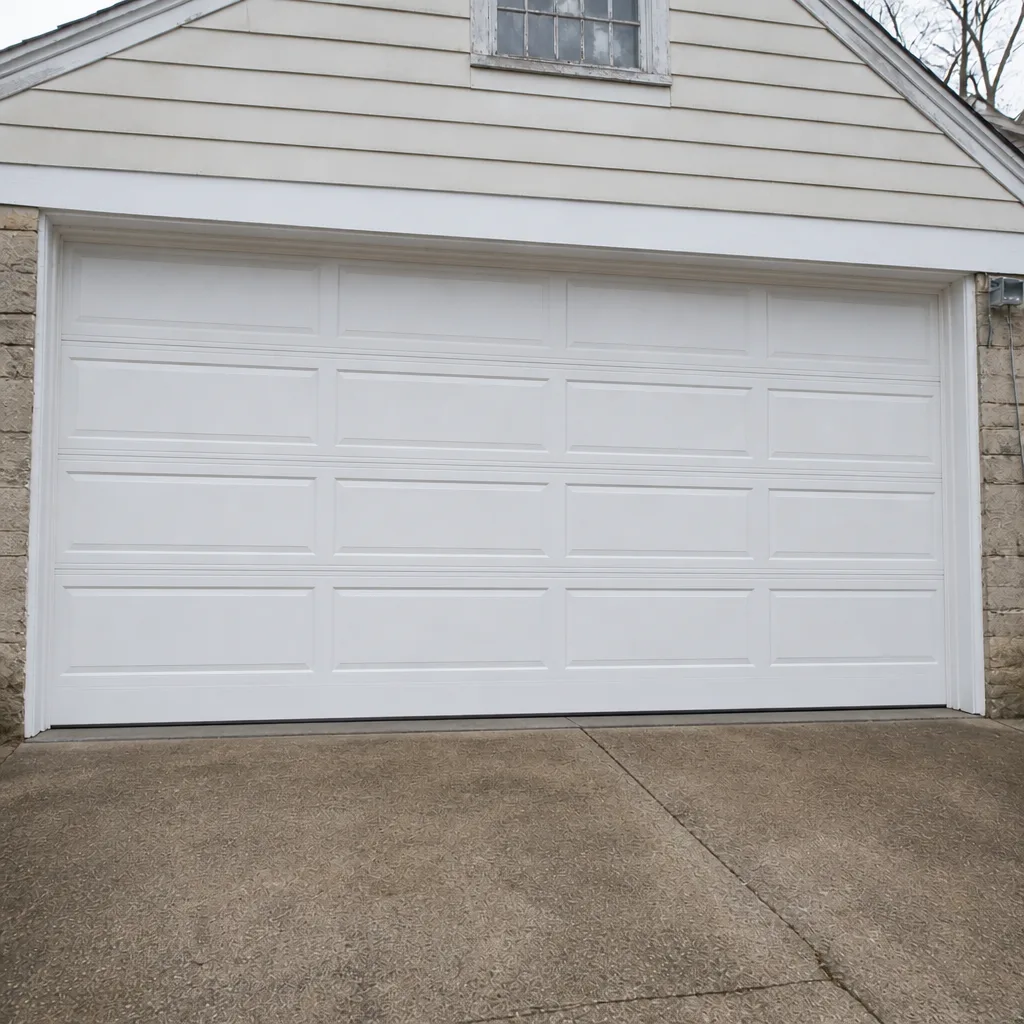 After
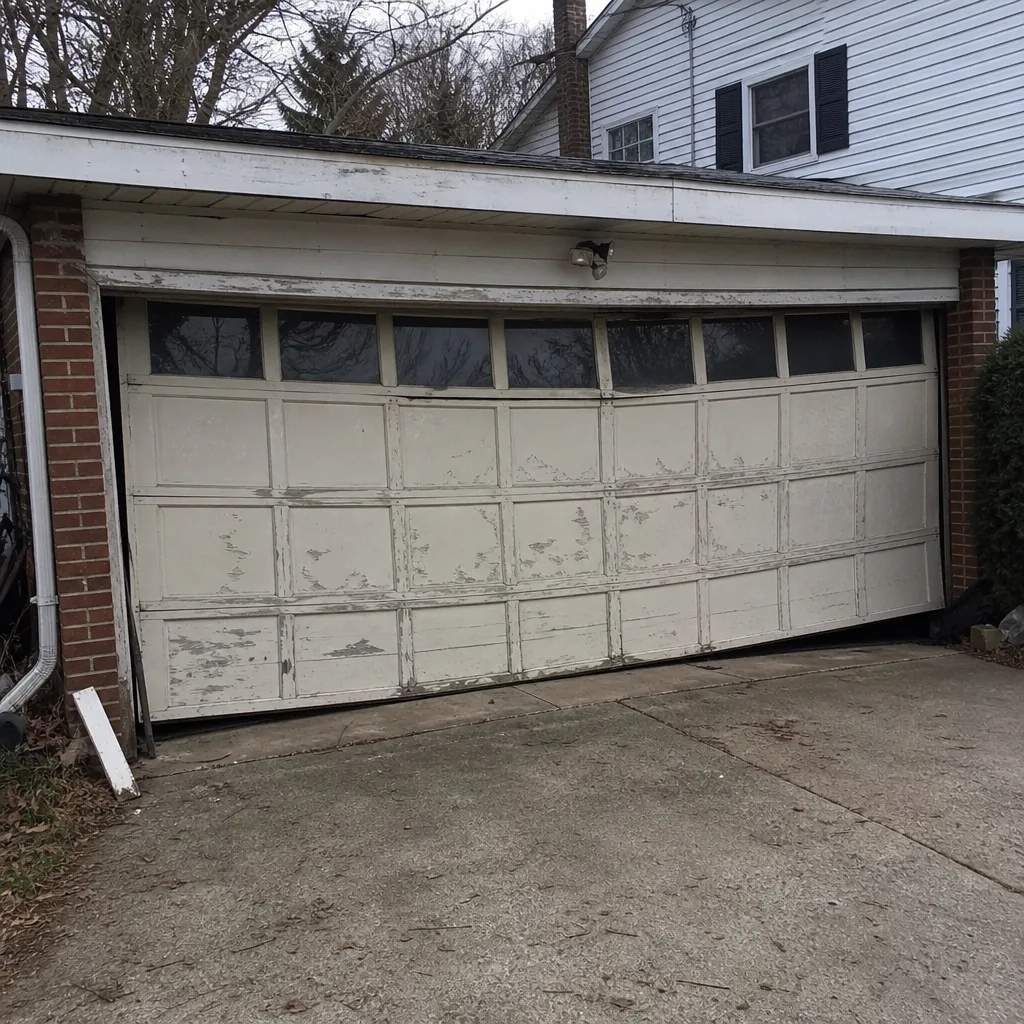 Before
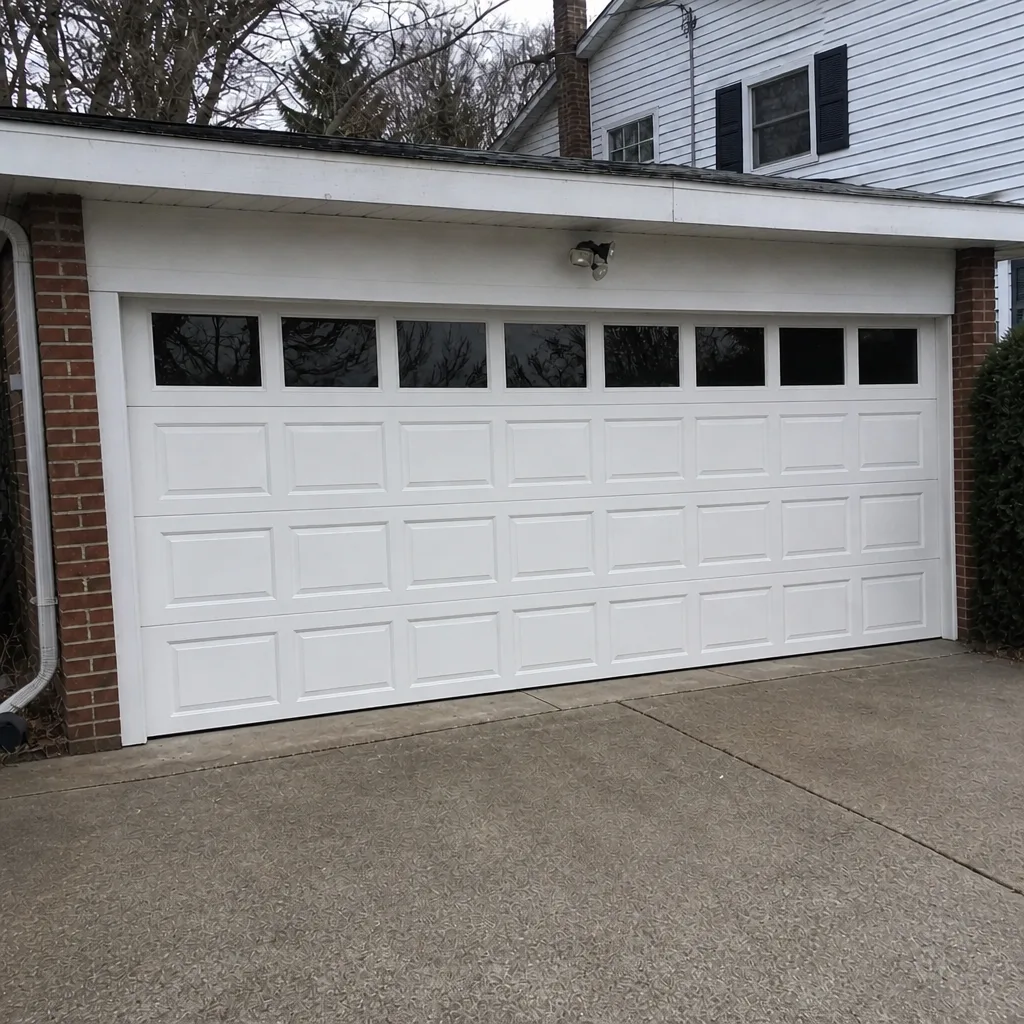 After
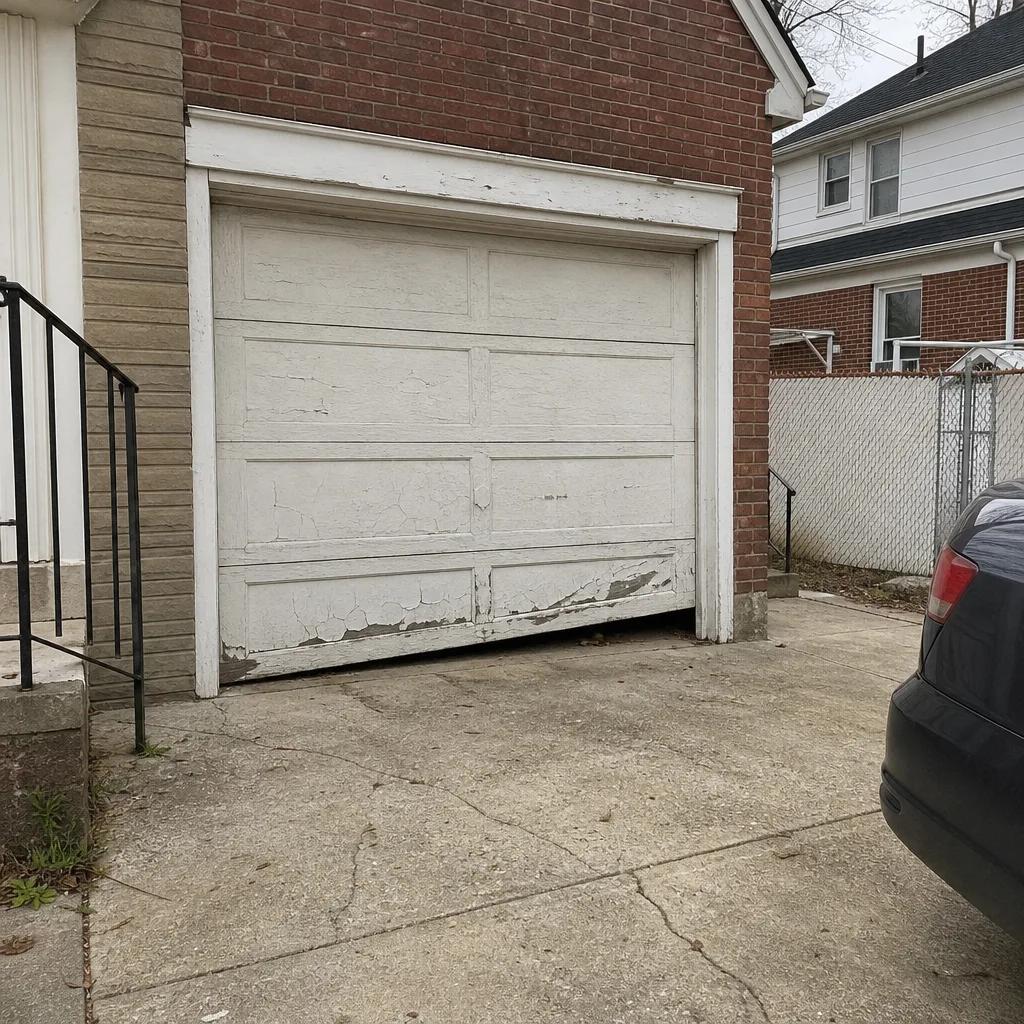 Before
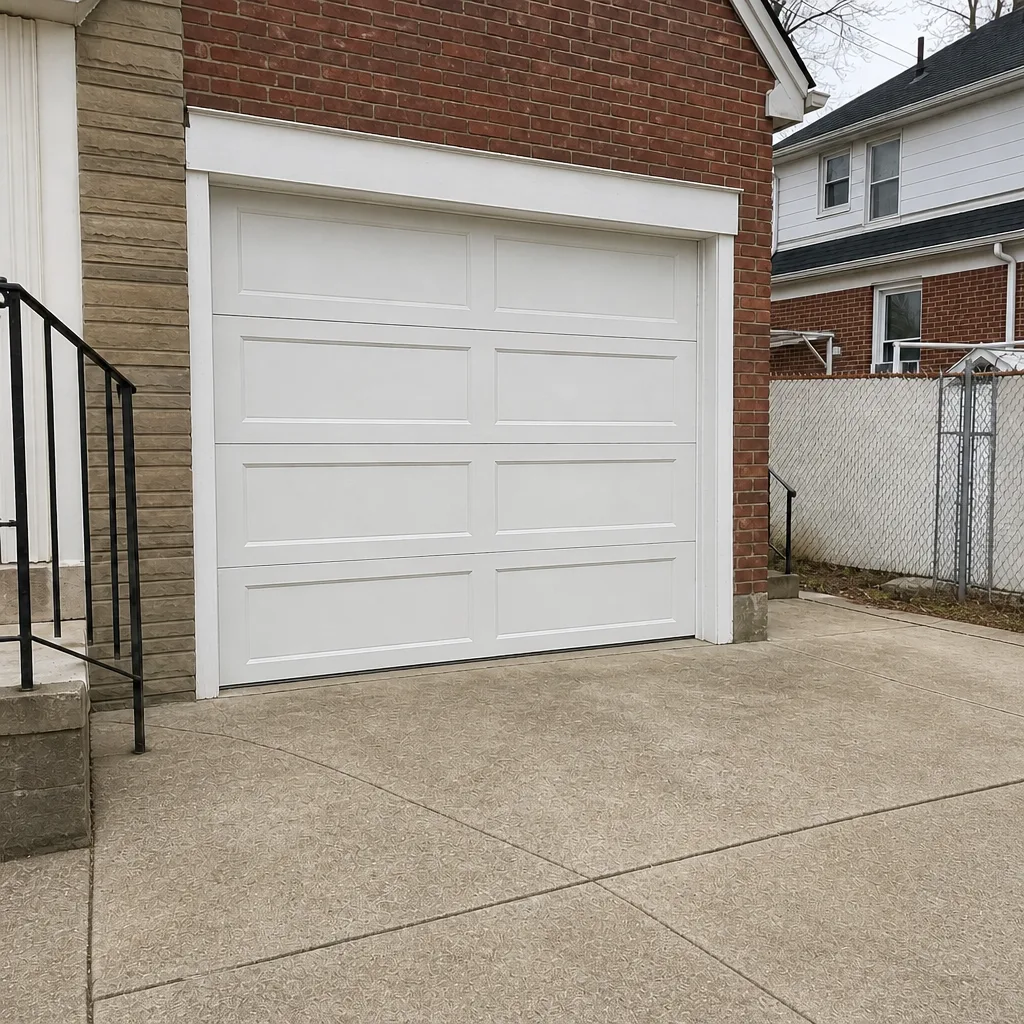 After
When to Call a Professional
Call a professional when a spring breaks, a door hangs crooked or comes off its track, the opener runs but the door doesn’t move, or the door won’t open or close at all. Those are the situations where a trained technician saves time and reduces risk. Spring work in particular is a high-tension job, and it’s not a good place to learn. If you’re considering a new door or you’re unsure whether to repair or replace, an estimate answers that cheaper than an order does. Riverdale Garage Door Repair Pros offers free estimates in Riverdale; call (855) 745-5903 for a quote. We answer 24/7. Fast dispatch from 7am to 7pm, Sunday through Friday.
Frequently Asked Questions
Most single-spring replacements in Riverdale run about $180-$340, and a matched pair is usually replaced together at roughly twice that. The written estimate sets the final price before any work starts. Call (855) 745-5903 for an exact quote – estimates are free.
Same-day service is normal for a door that won’t open, won’t close, or has come off its track. We answer 24/7, with fast dispatch from 7am to 7pm, Sunday through Friday. Call (855) 745-5903 and we’ll arrange the response.
The written estimate is the price, and it’s agreed before work starts. If the conditions differ from what we discussed, you’ll hear about it before anything changes, never after the invoice appears. Call (855) 745-5903 for a free estimate.
Carriage-house doors suit pre-war masonry, flush steel works on mid-century and newer buildings, and raised-panel fits many detached homes and co-ops that already use it. Always get written approval from your board or property manager before ordering. Call (855) 745-5903 if you want to talk through the options.
We handle both, along with opener repair and spring work, so one call covers the door, springs, tracks, and electronics. If your opening is non-standard, a full measure comes first. Call (855) 745-5903 for a quote.
We connect you with independent local professionals who are licensed and insured as their state requires and have up to 8 years of experience on residential brands. You’re quoted and cleared before work begins. Call (855) 745-5903 with questions – estimates are free.
The Bottom Line
Garage doors in Riverdale aren’t a generic purchase. Building era decides header clearance and what physically fits; the board review decides which styles survive; the track configuration decides how the door actually operates; and the rough opening decides whether the door you order is the door that installs. Sort those four things before you order, get approval in writing, and the project stops being a gamble. Brand familiarity helps too, which is why we cover LiftMaster, Chamberlain, Genie, Clopay, Amarr, Wayne Dalton, Craftsman, and Raynor across both doors and openers. If you’d rather have a specialist confirm the numbers before you buy, call (855) 745-5903 for a free estimate. We answer 24/7. Fast dispatch from 7am to 7pm, Sunday through Friday.
Written by the team at Riverdale Garage Door Repair Pros.